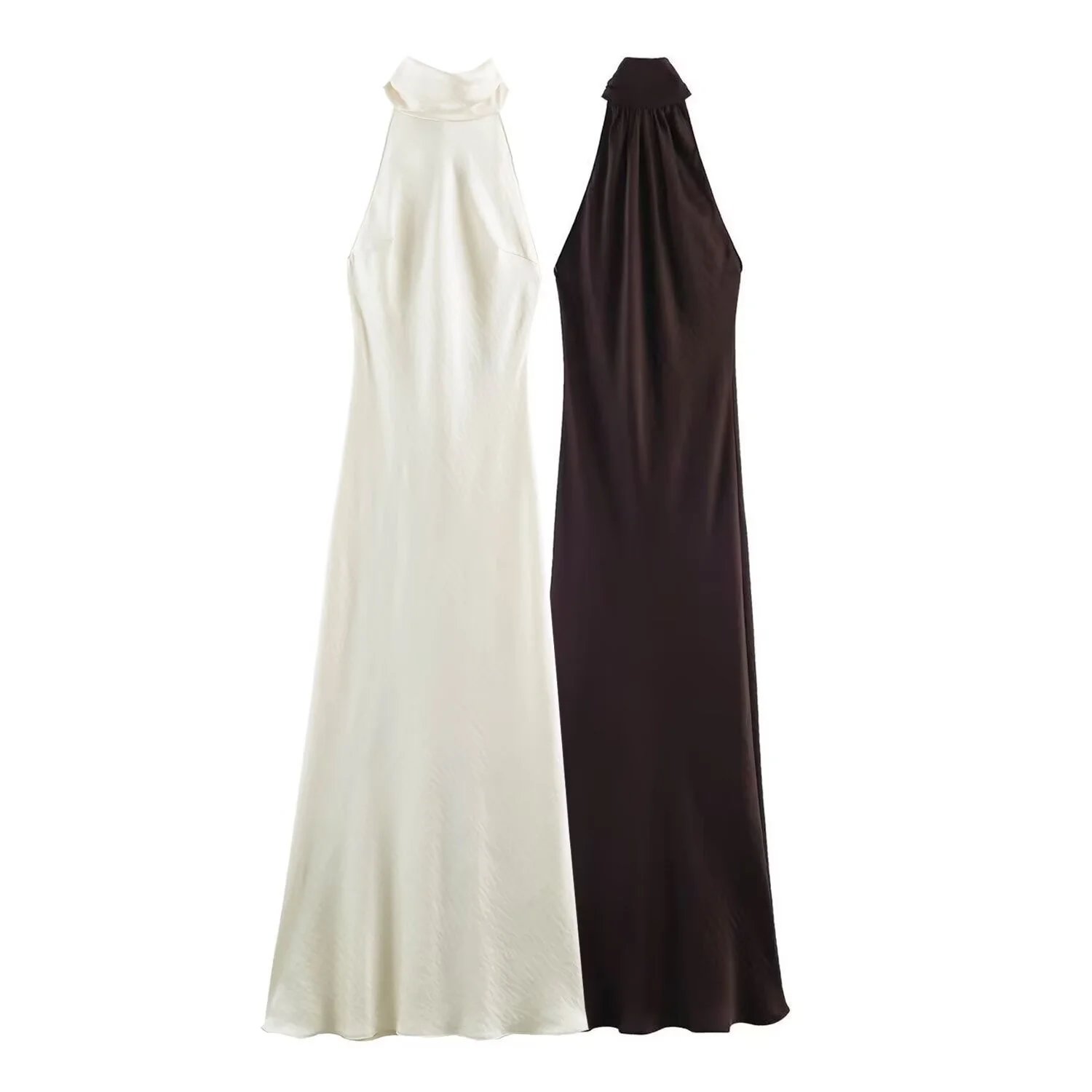
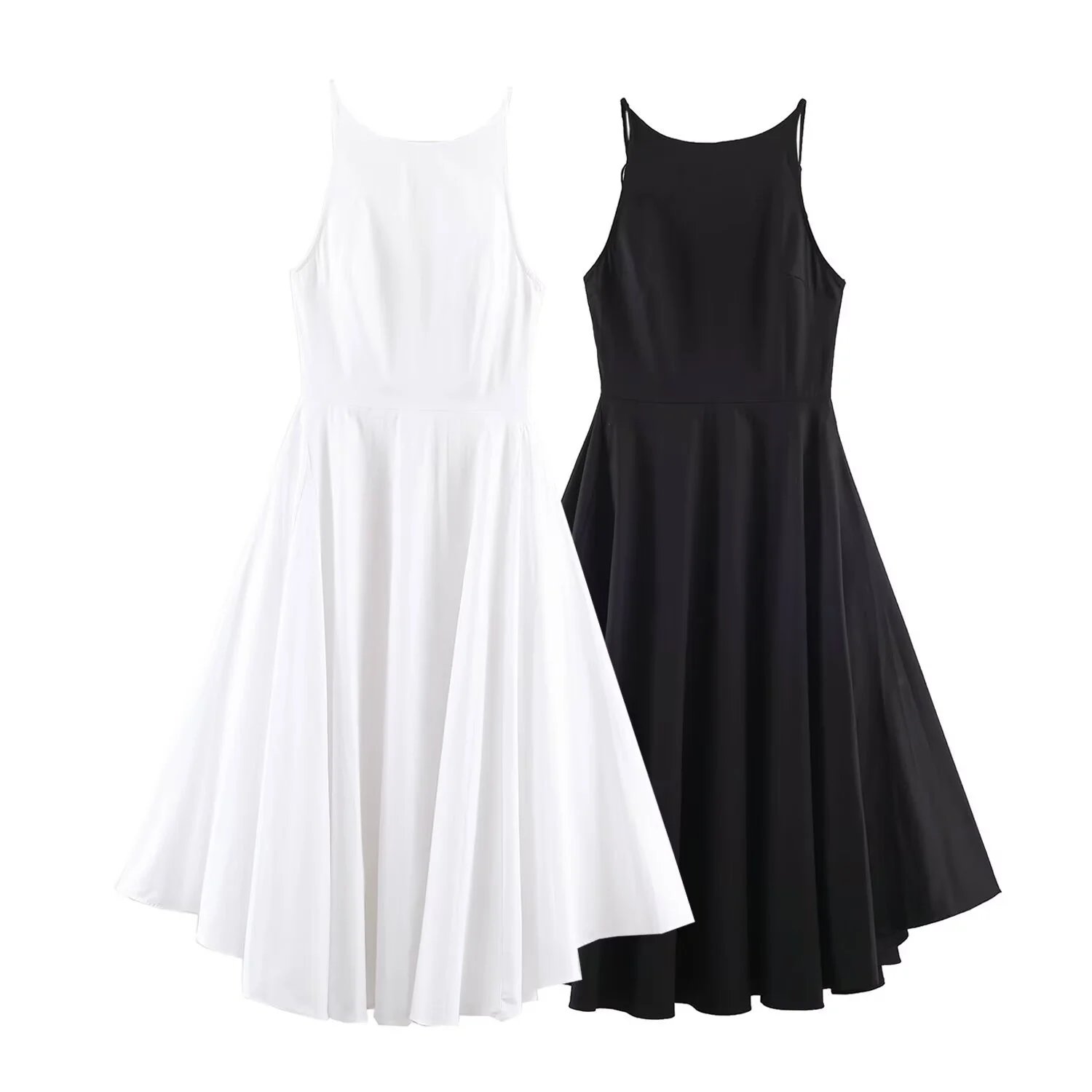
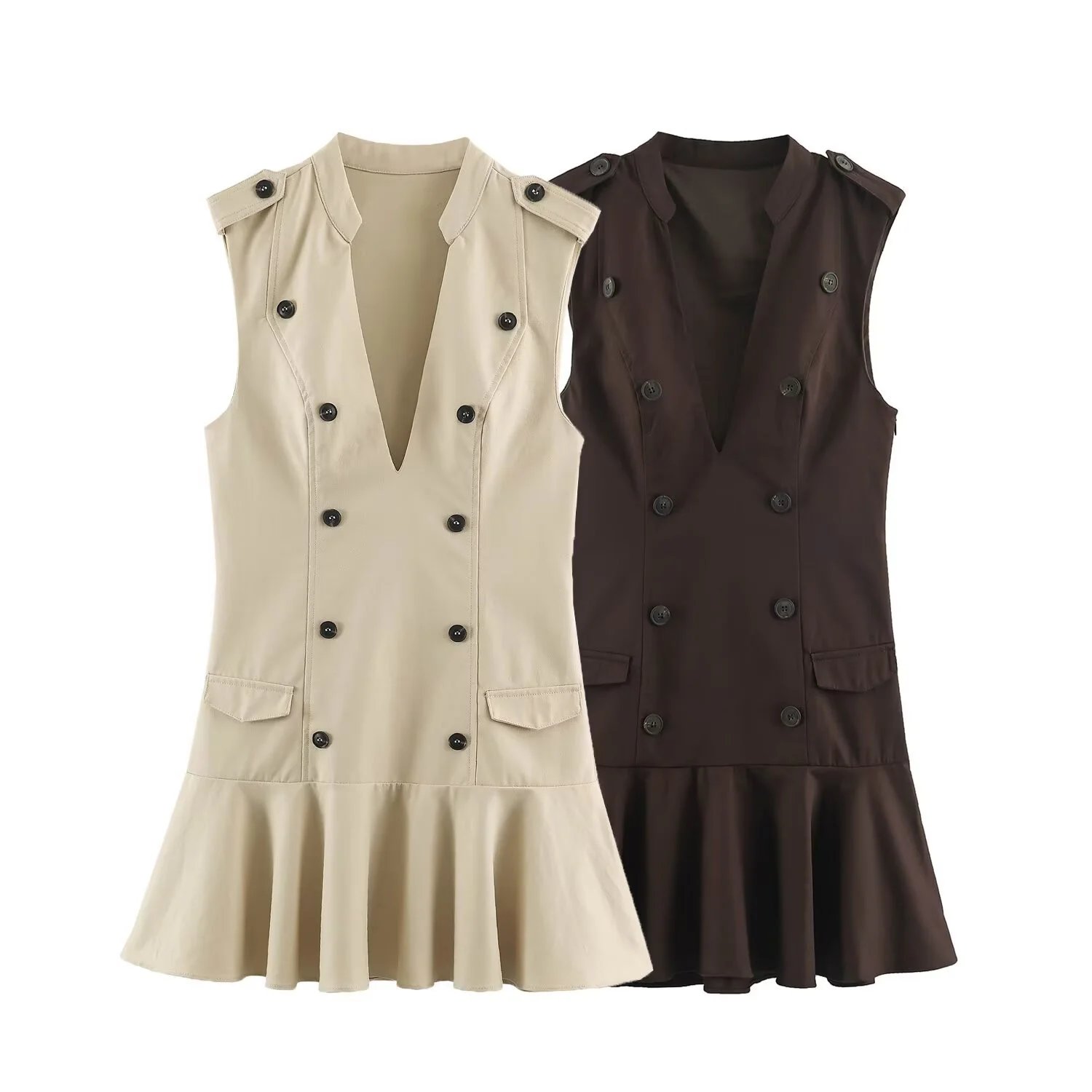
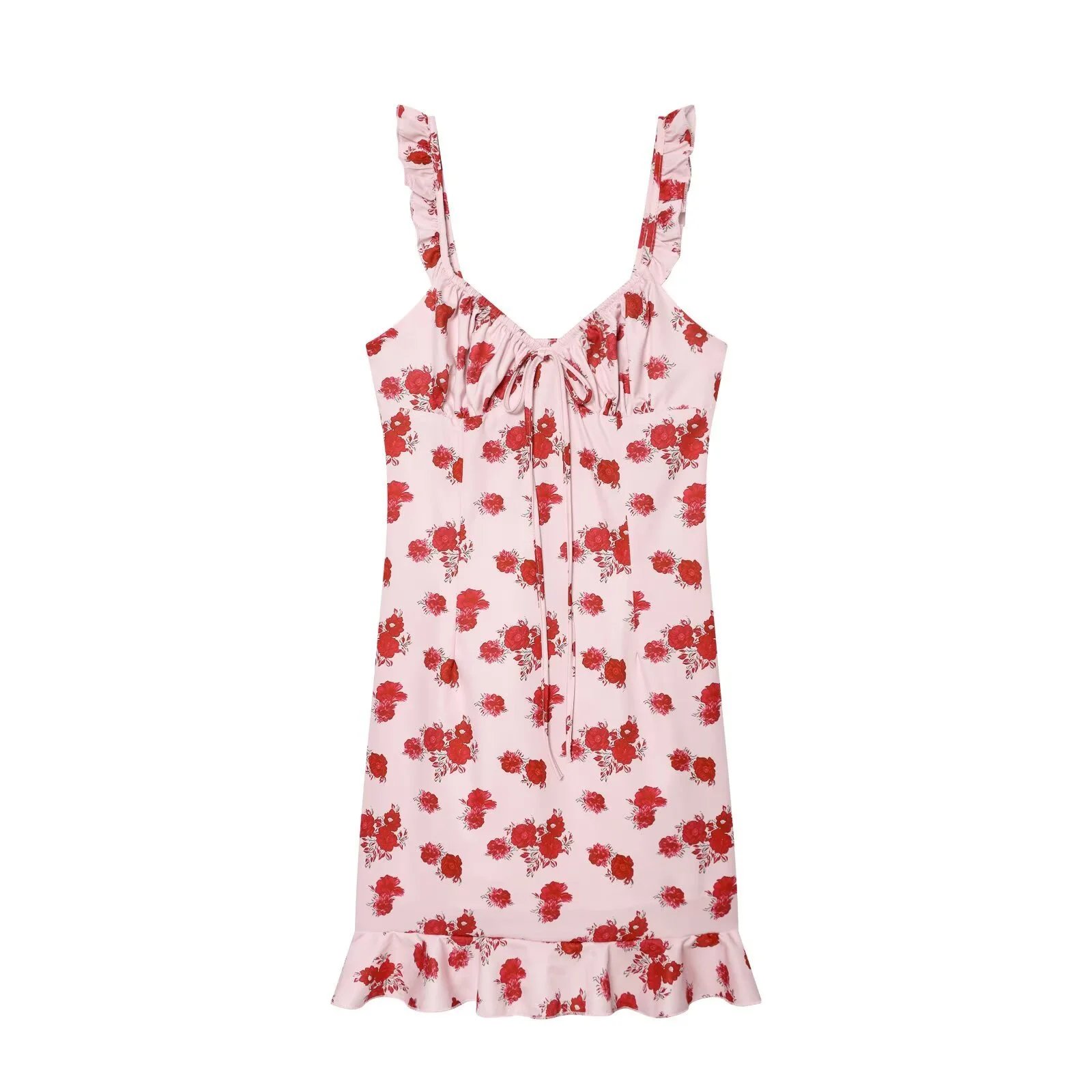
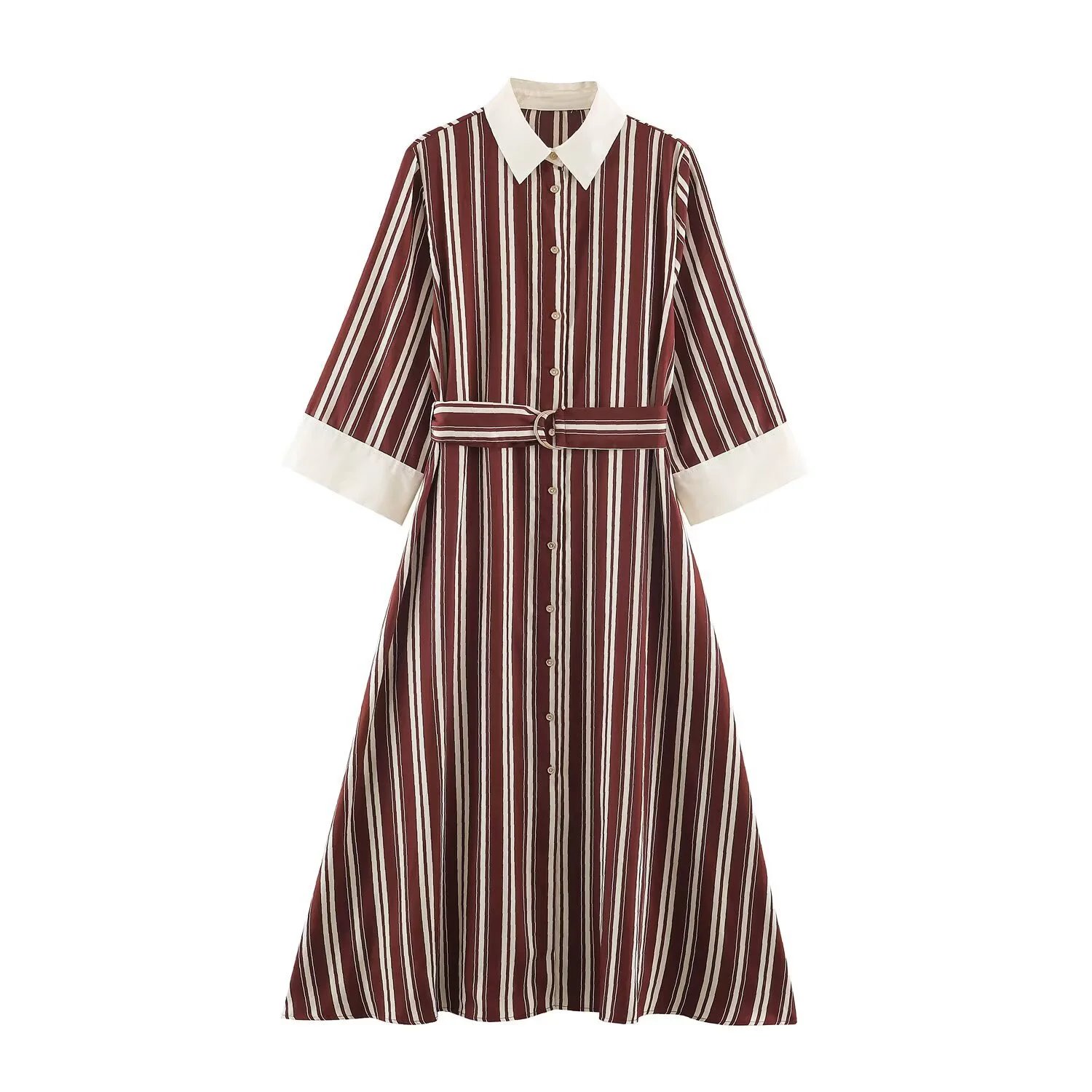
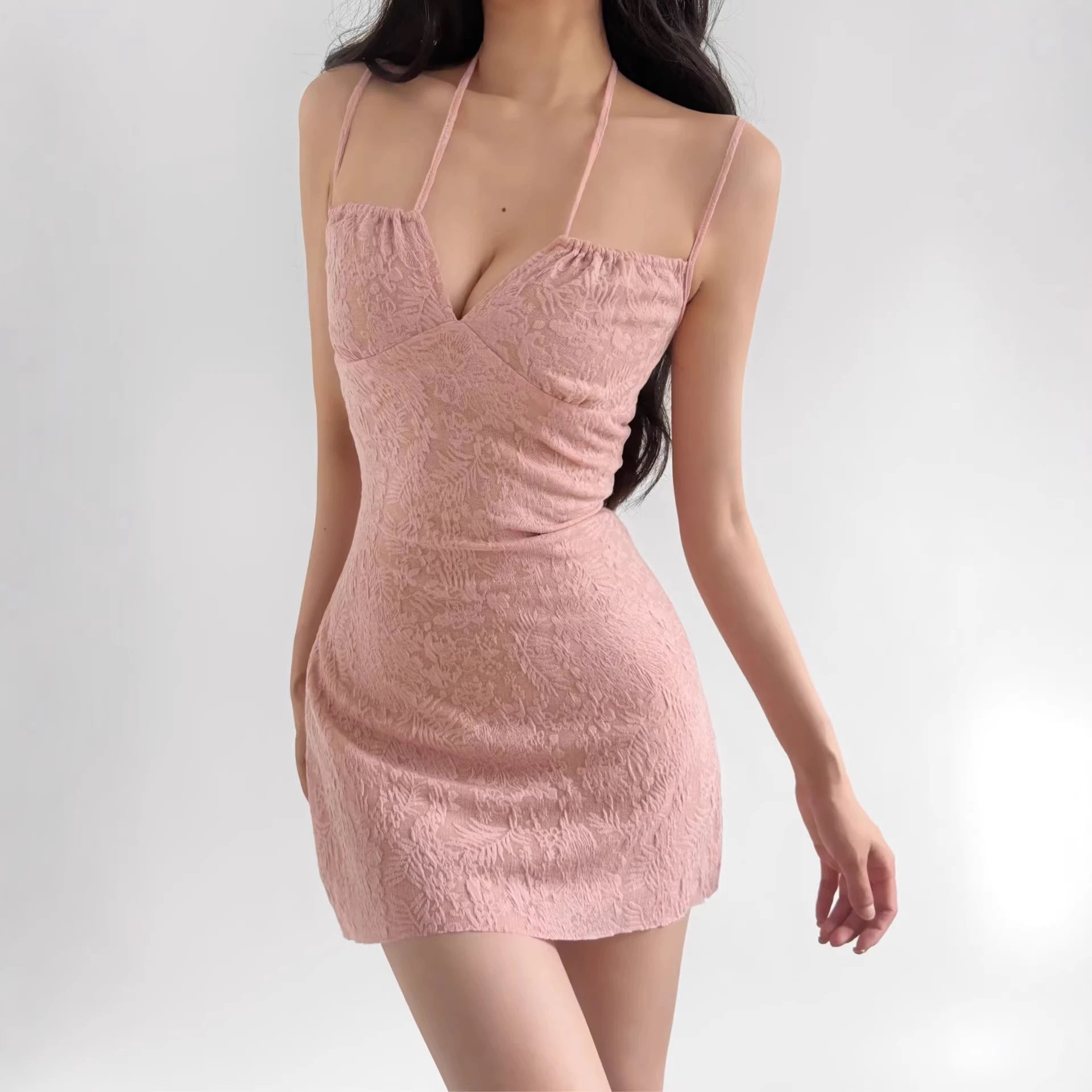
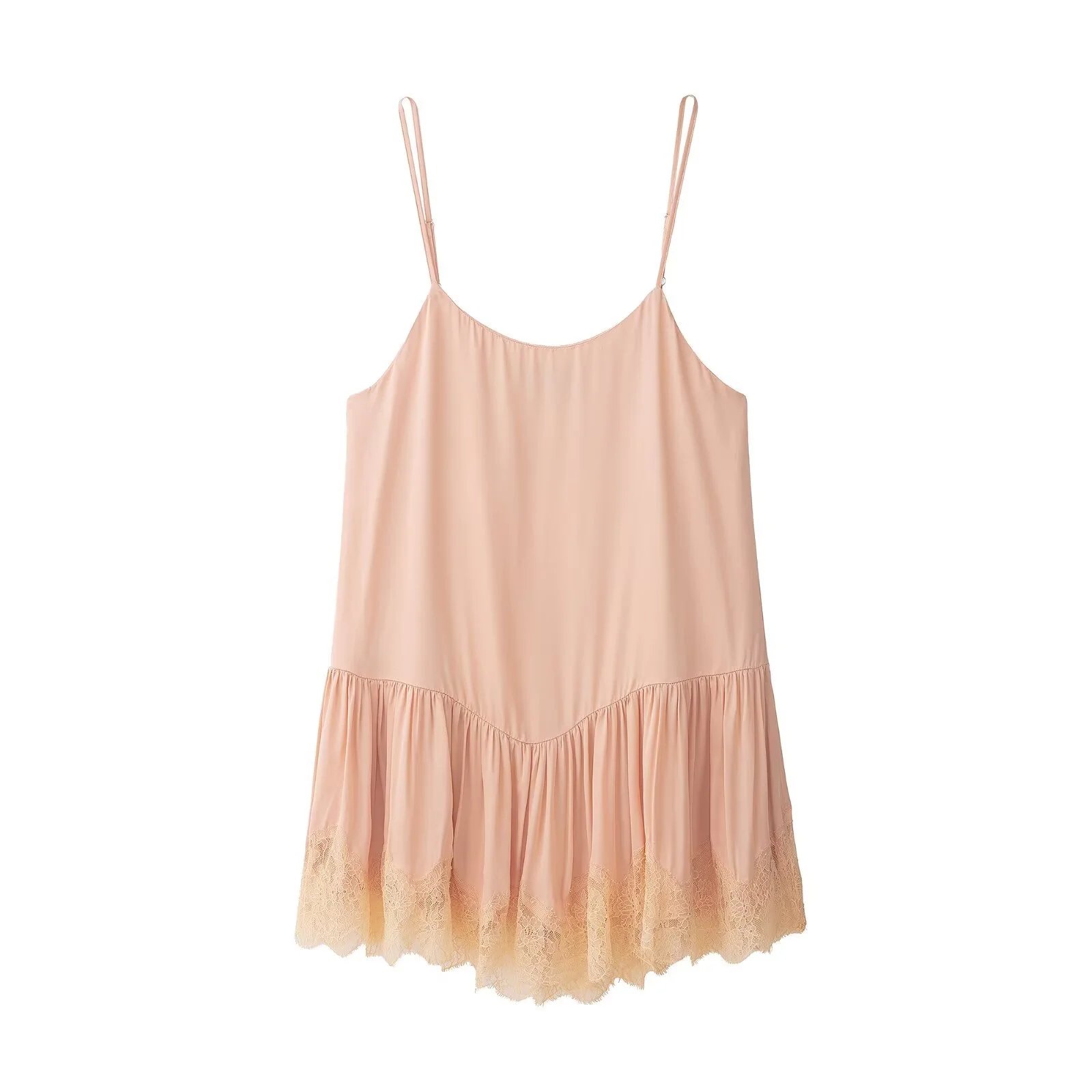
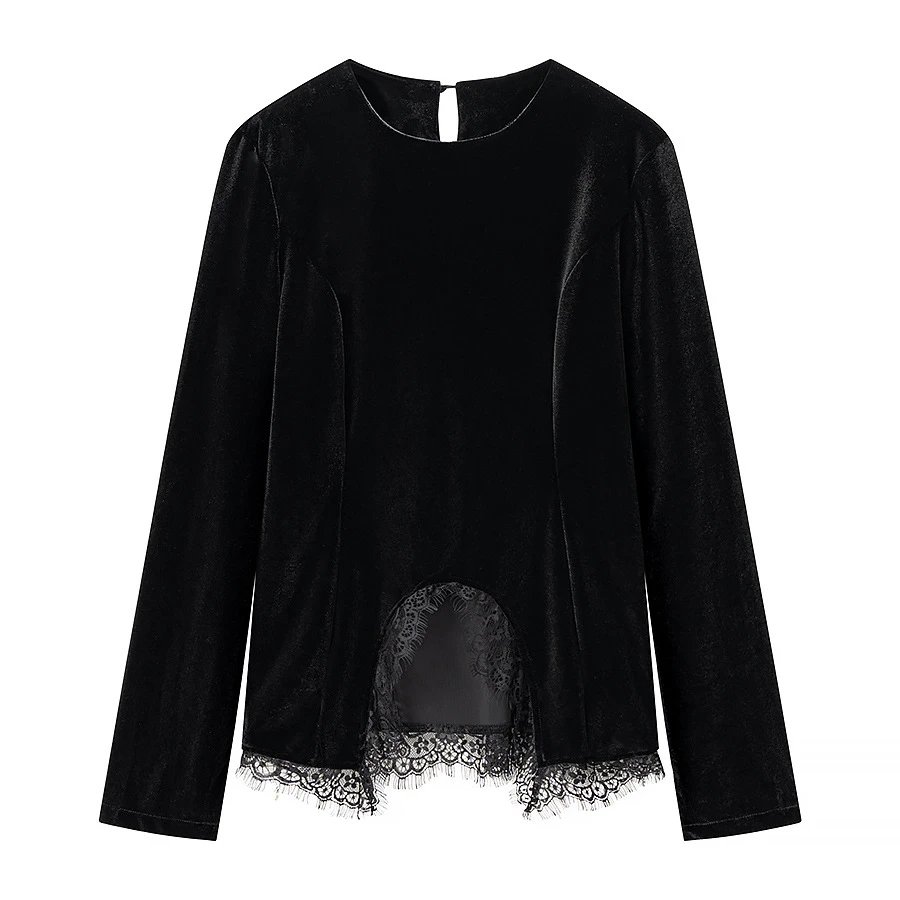
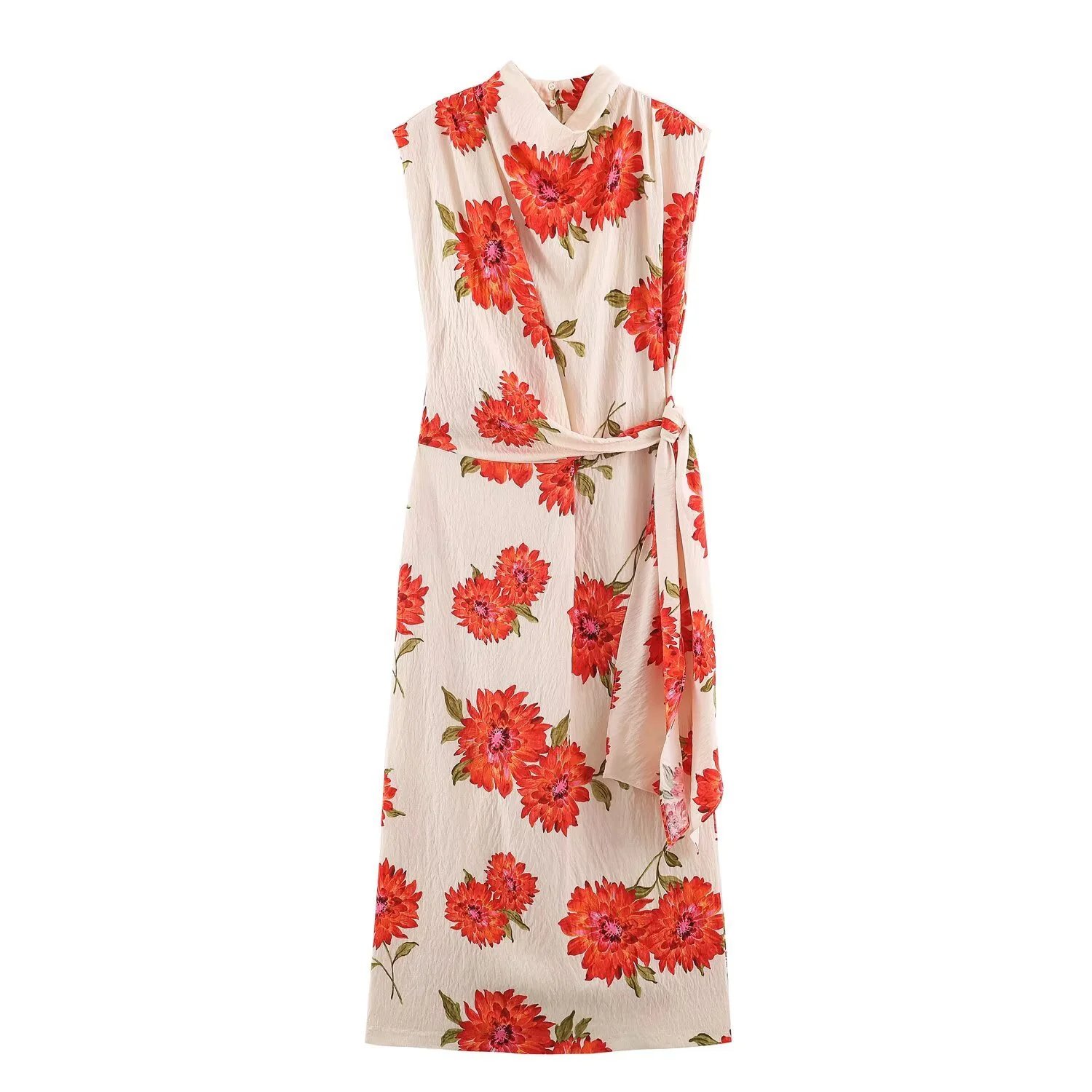
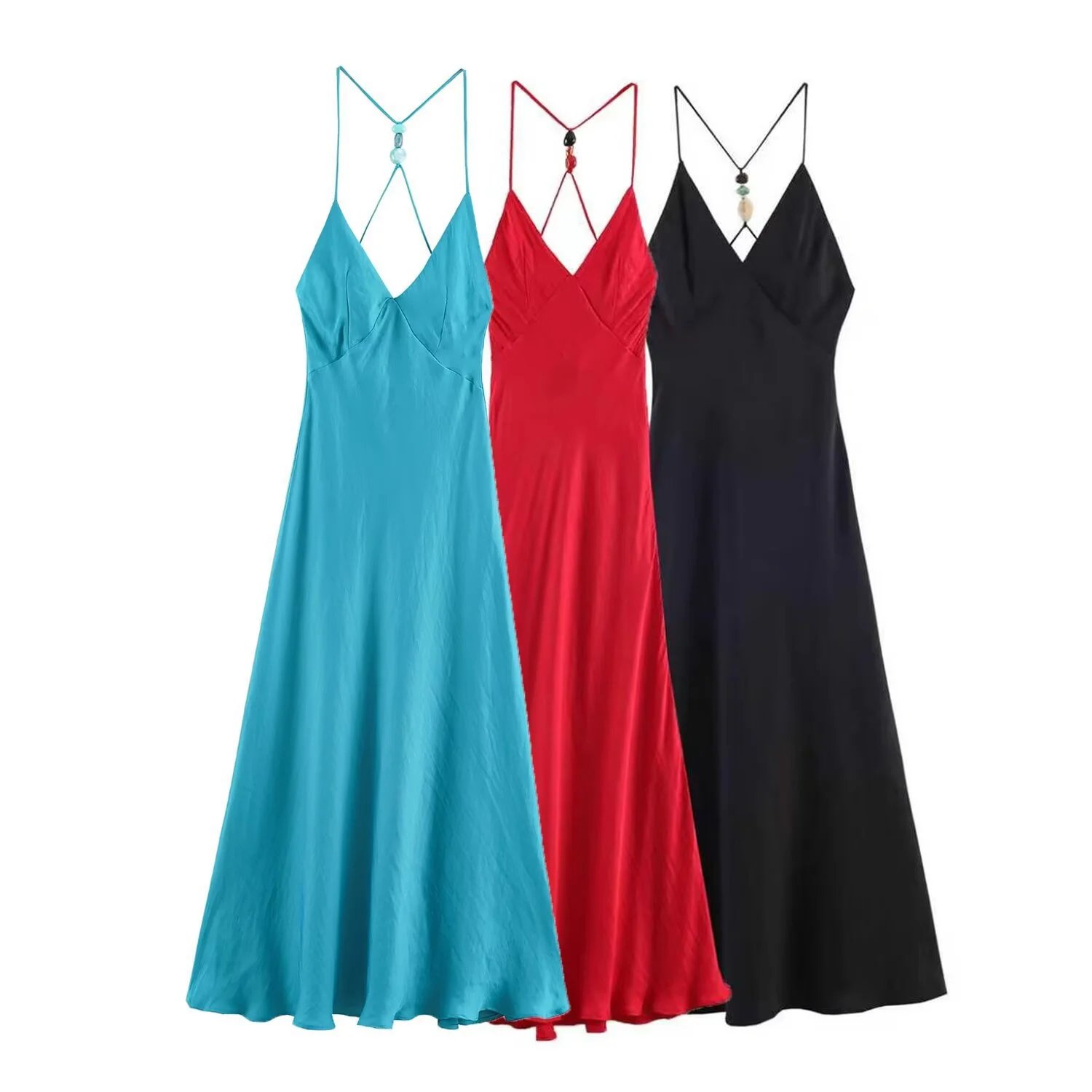
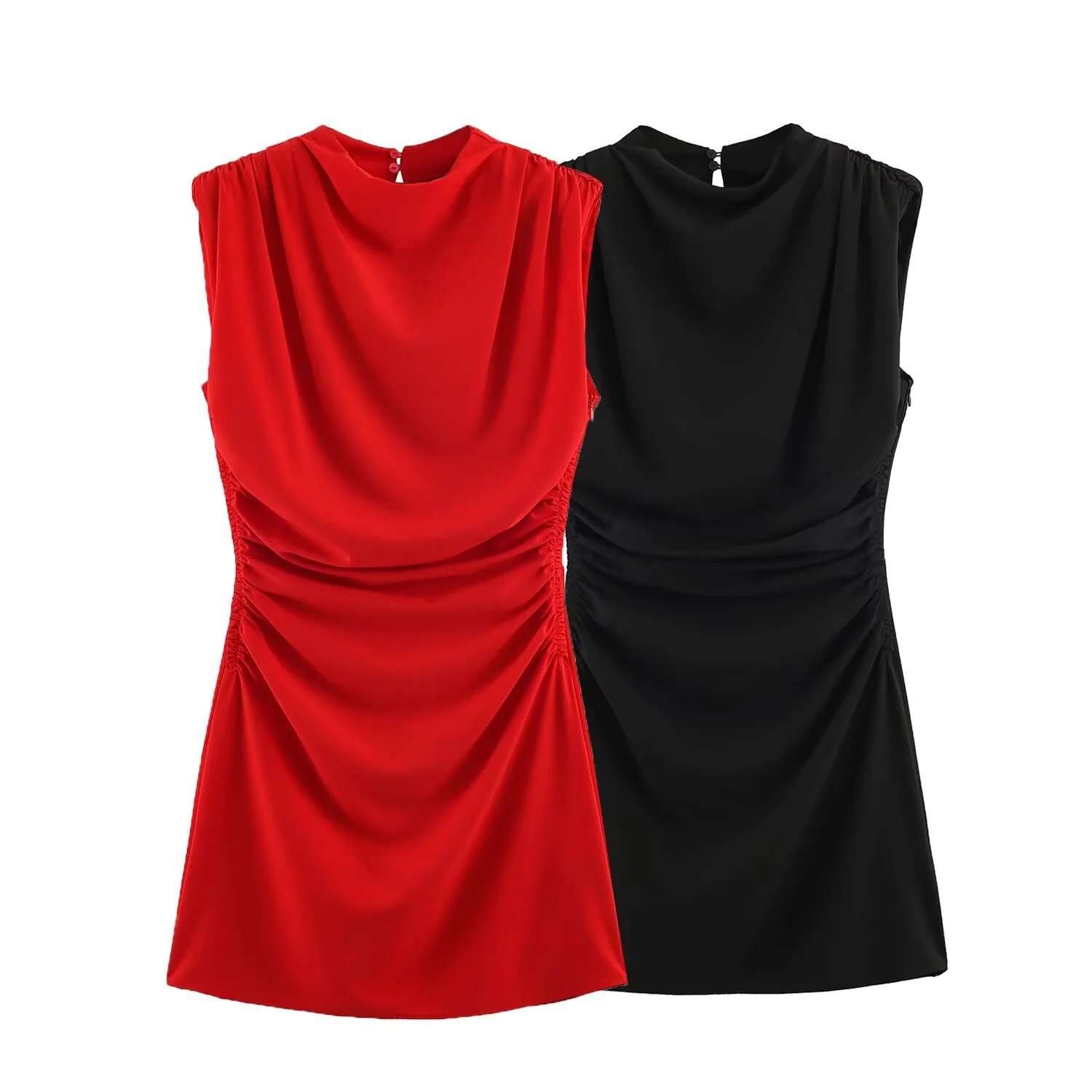
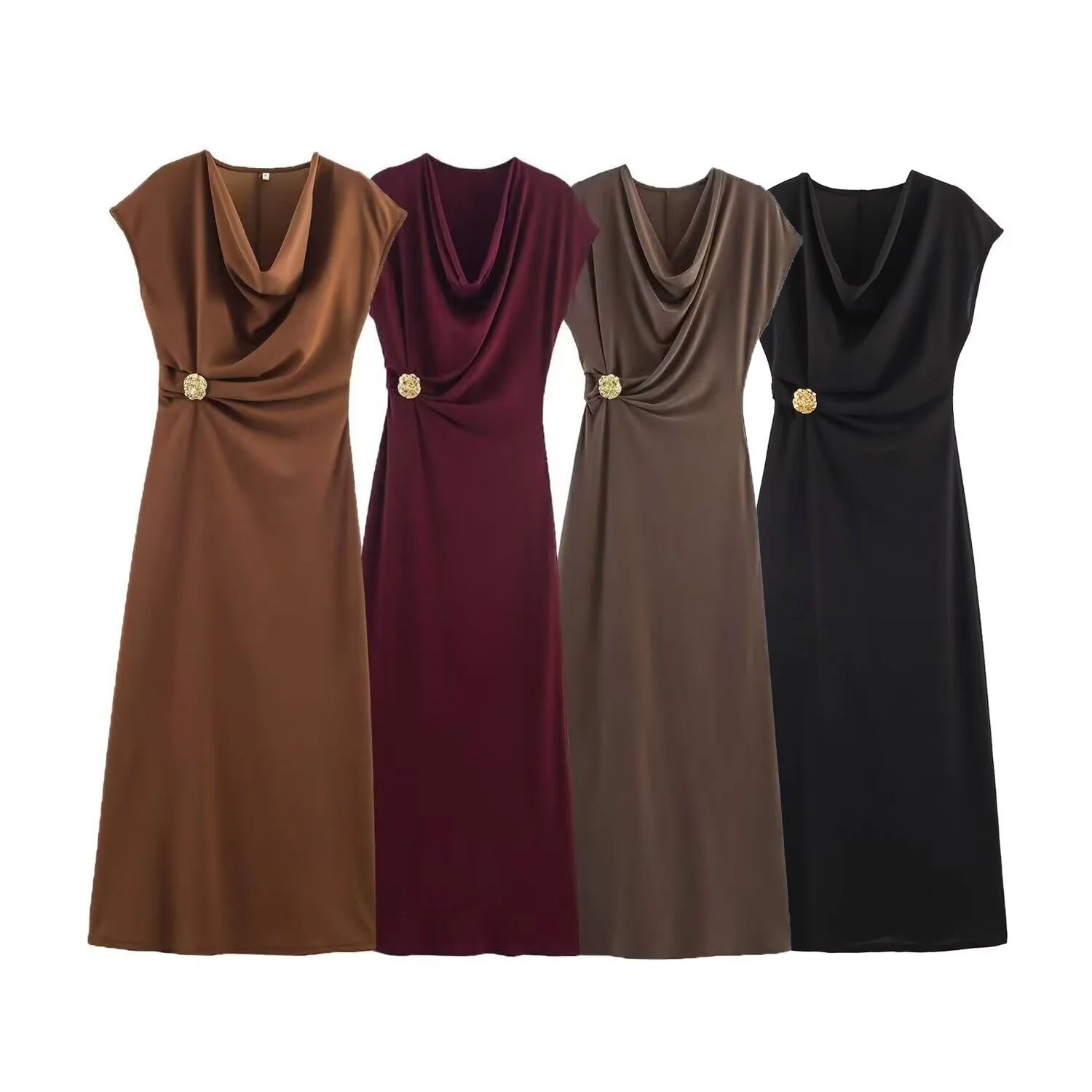
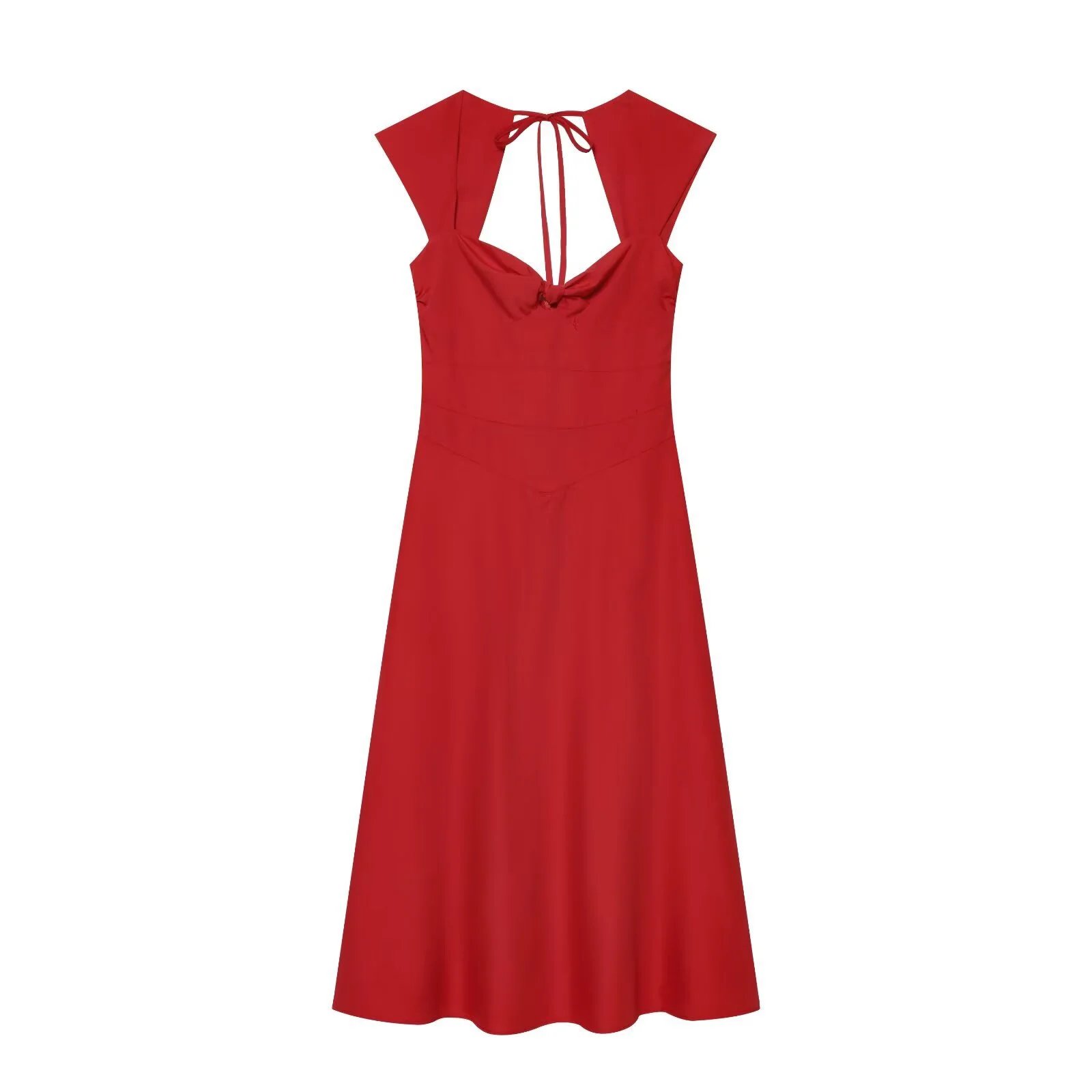
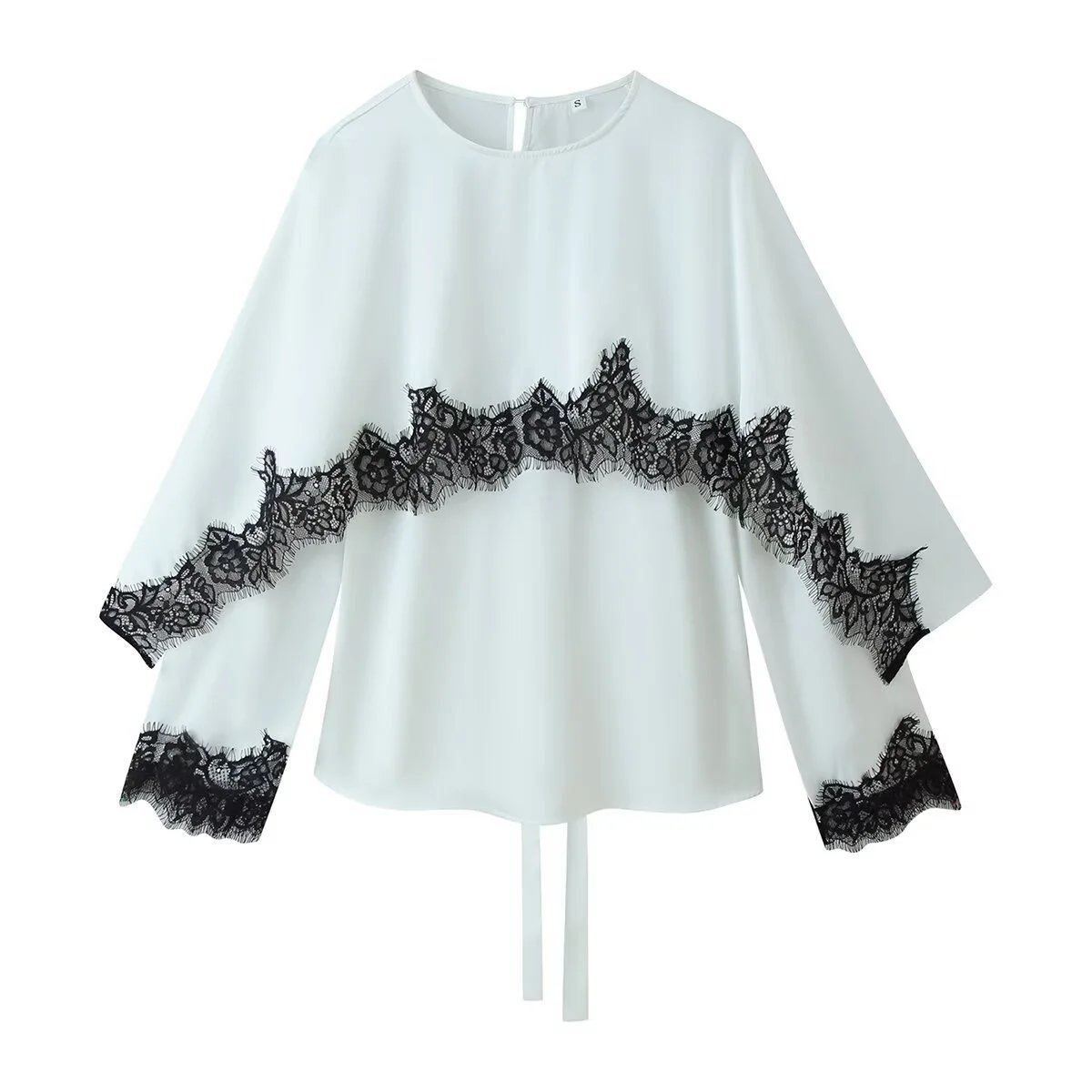
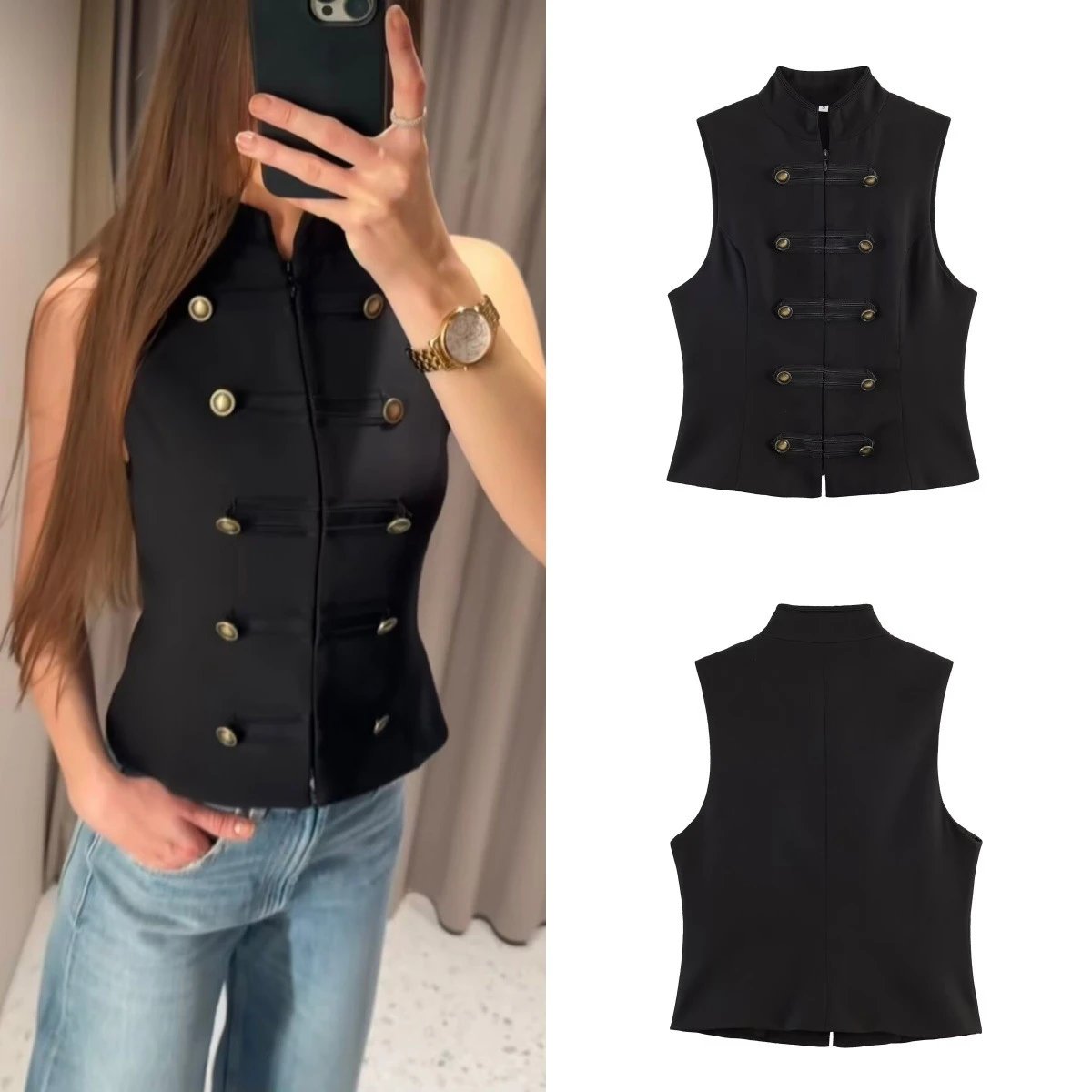
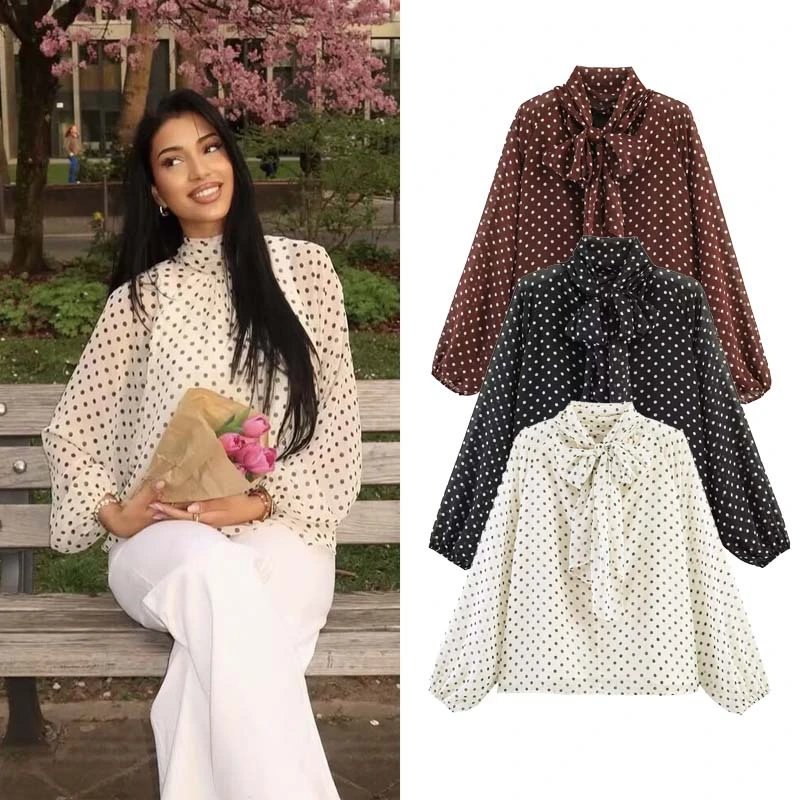
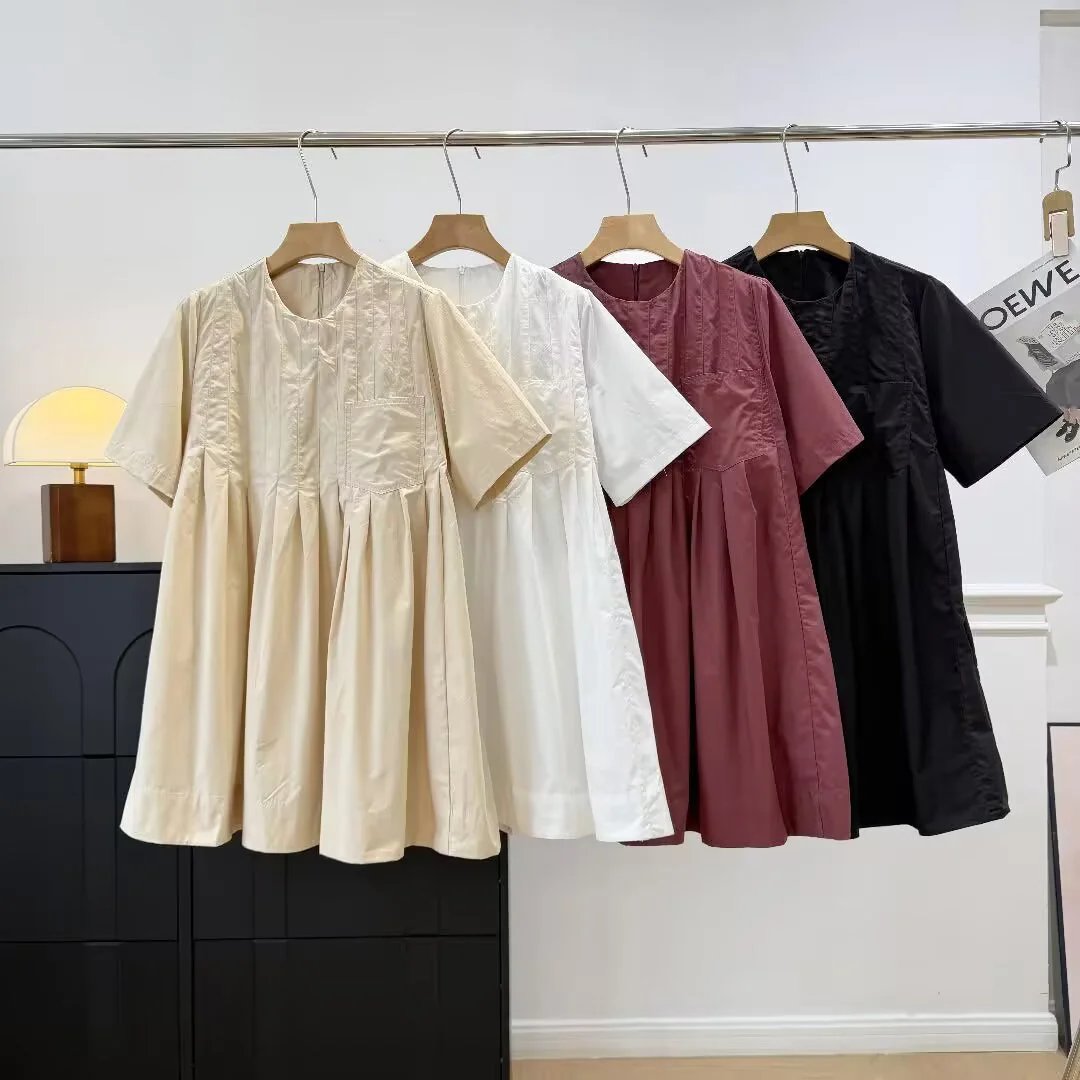
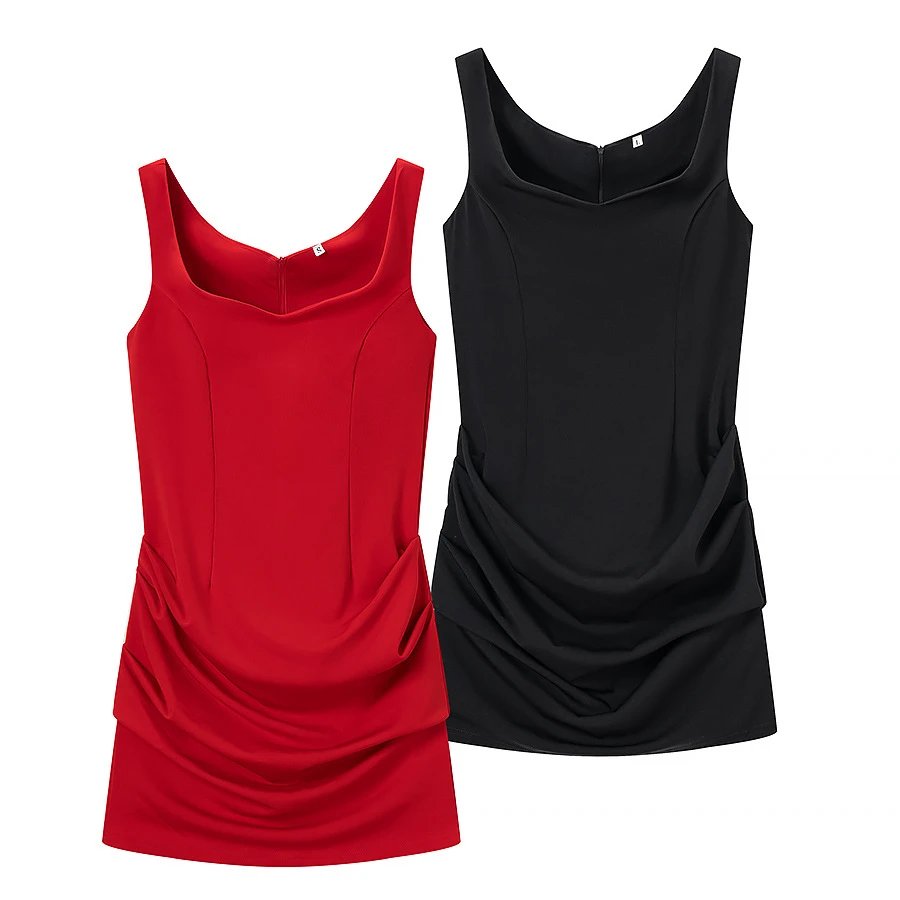
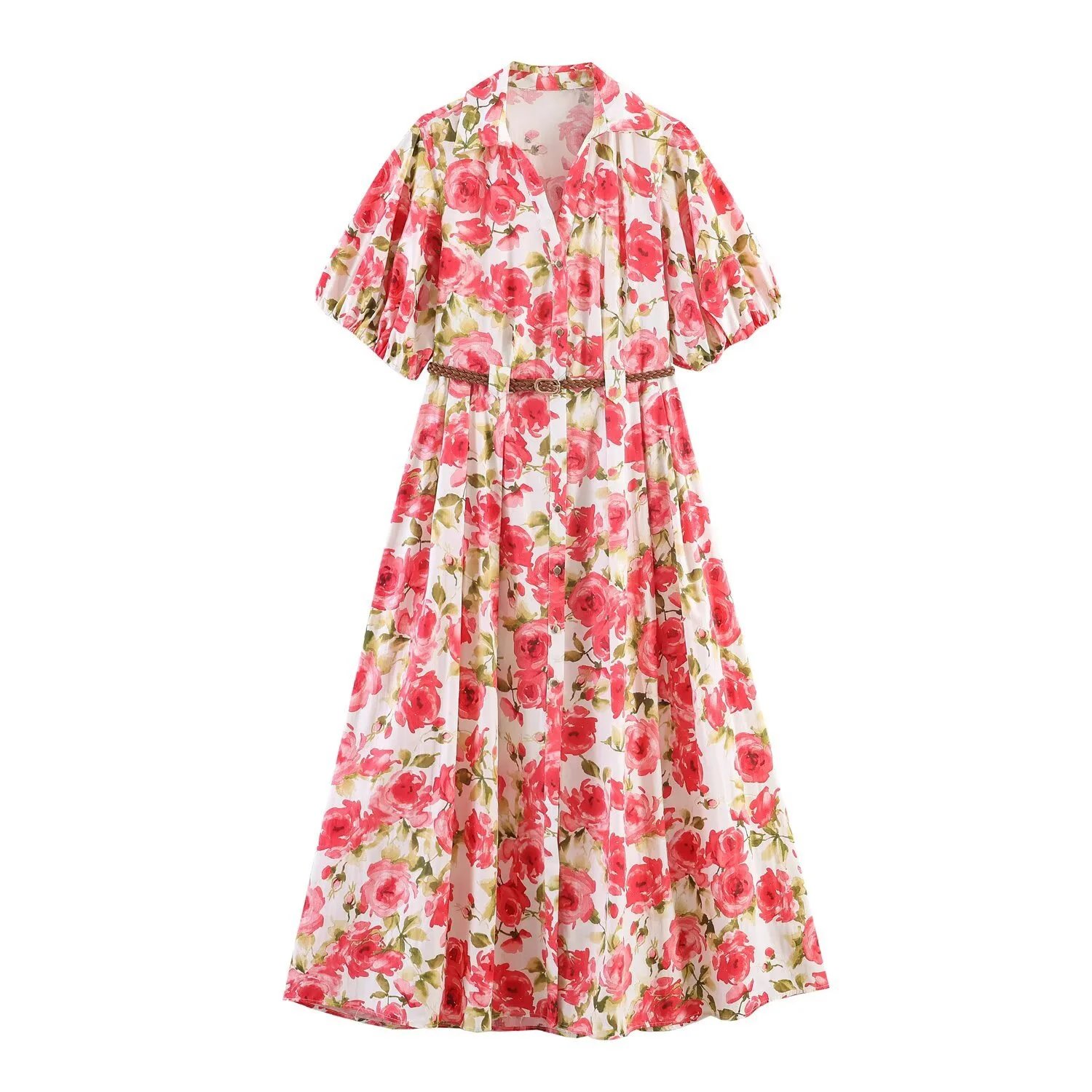
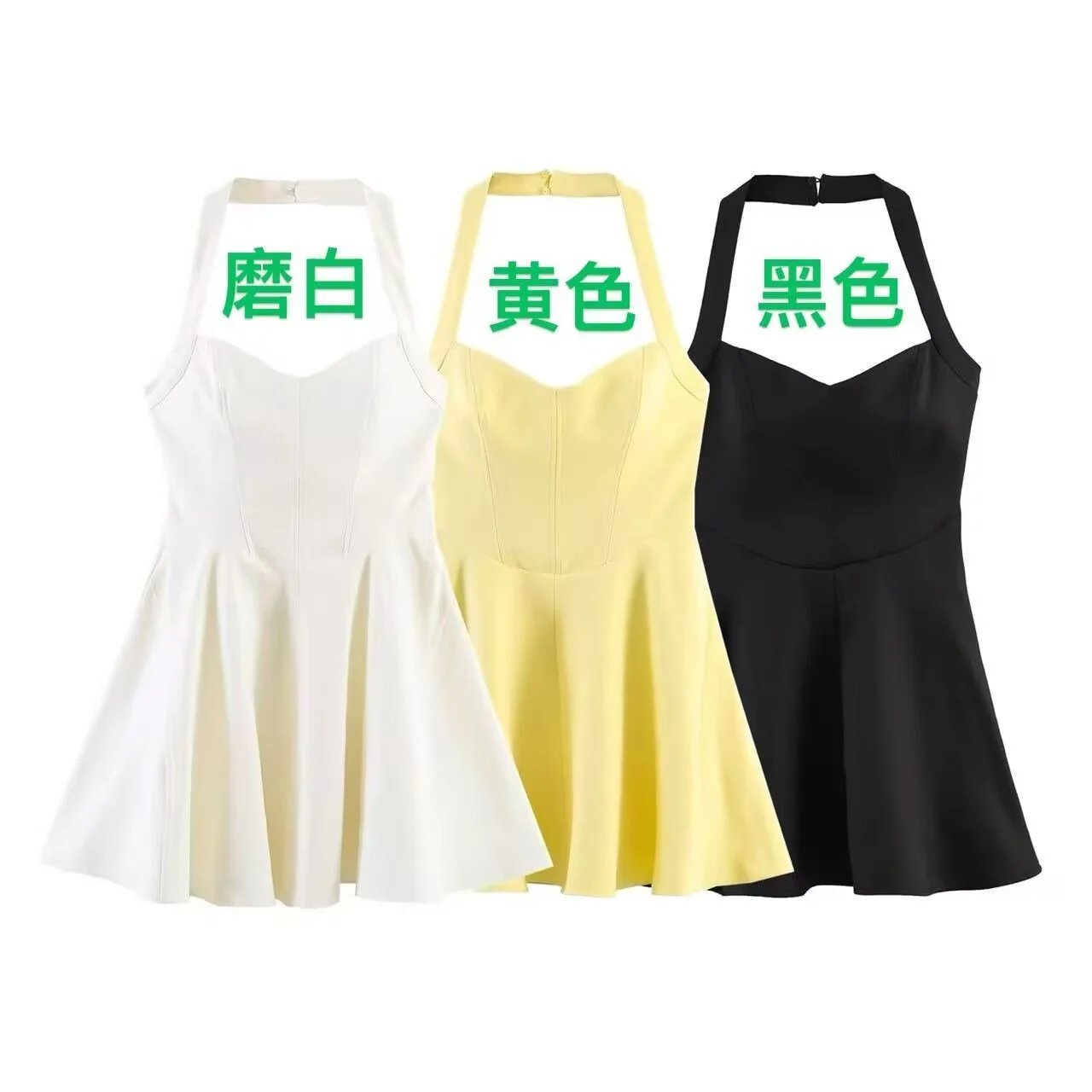
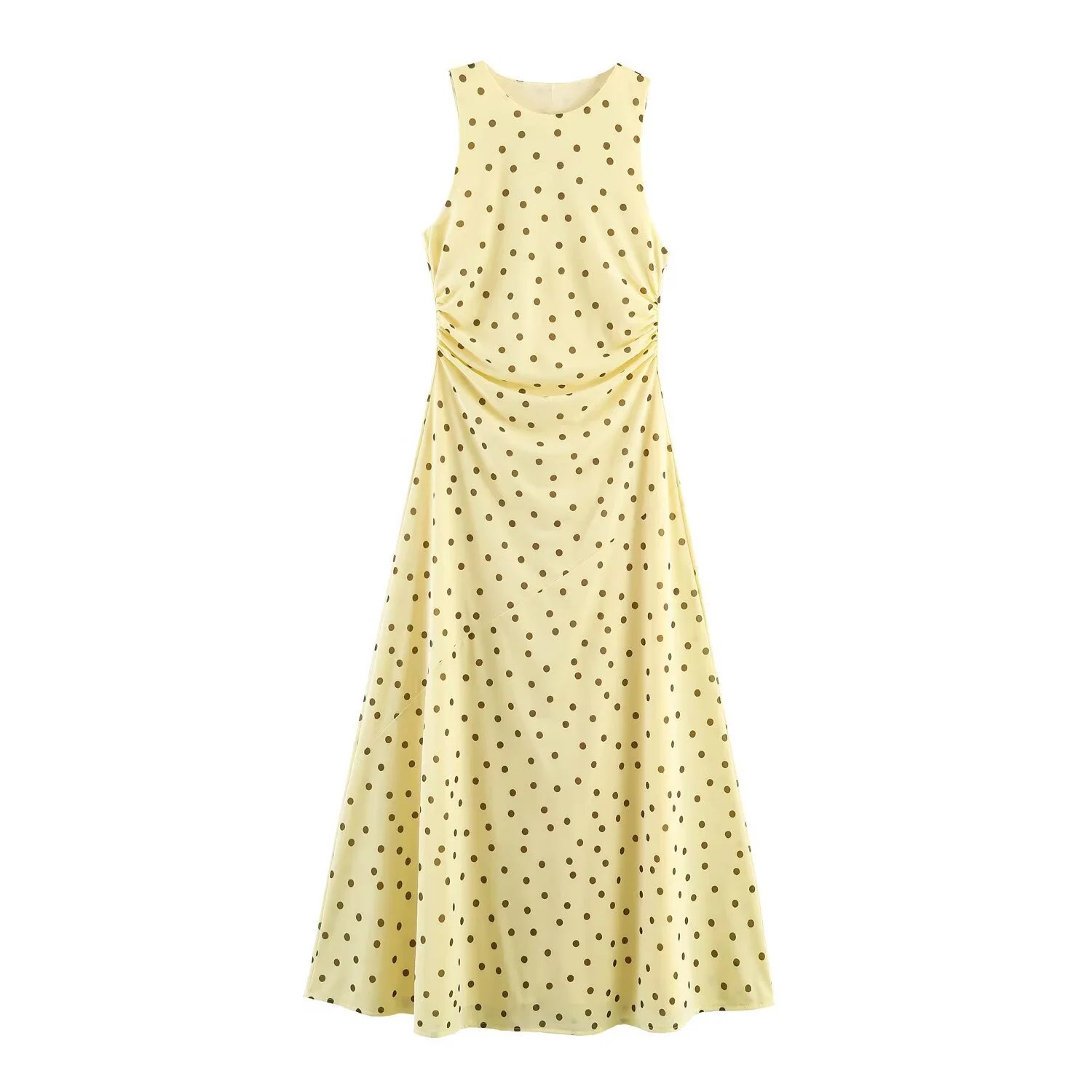
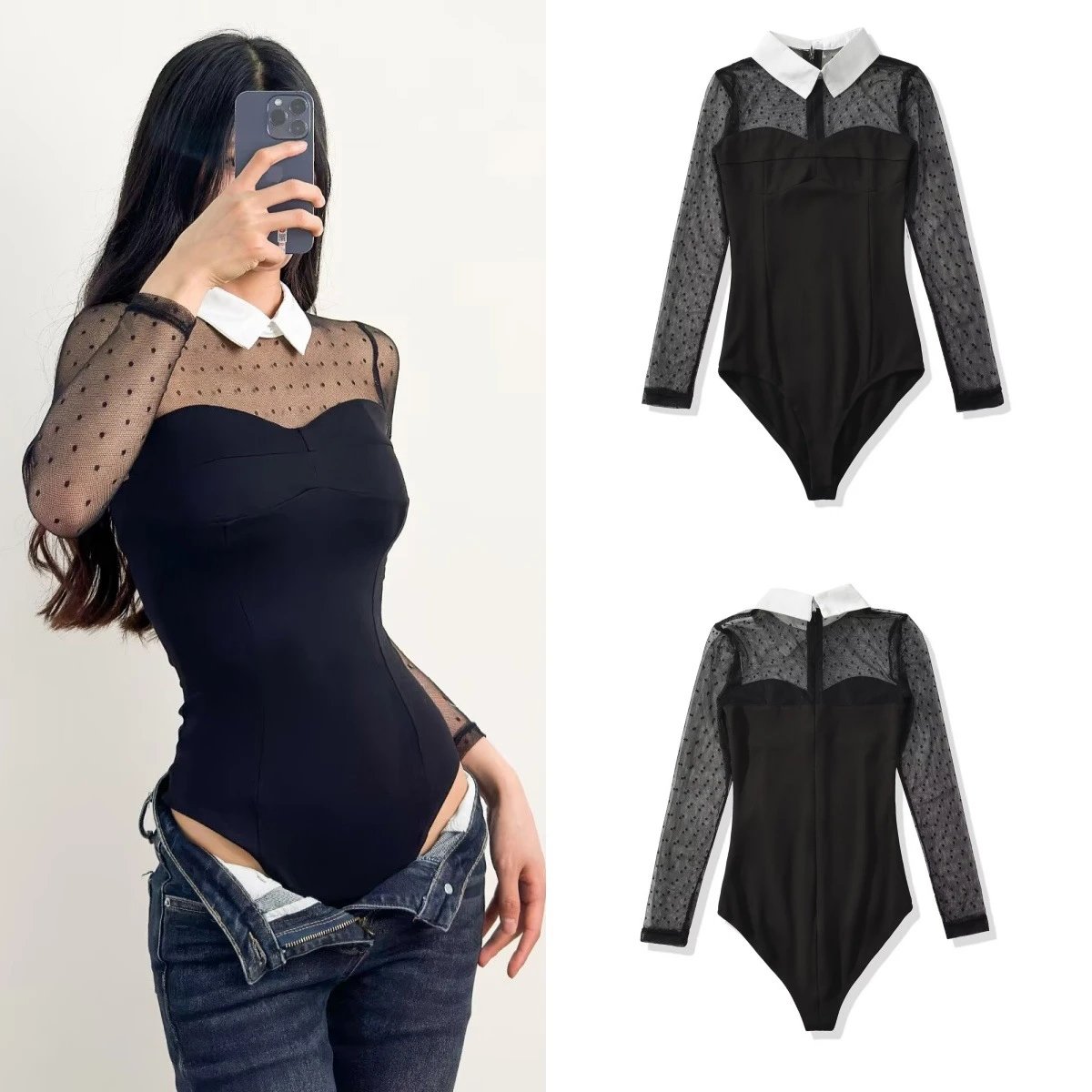
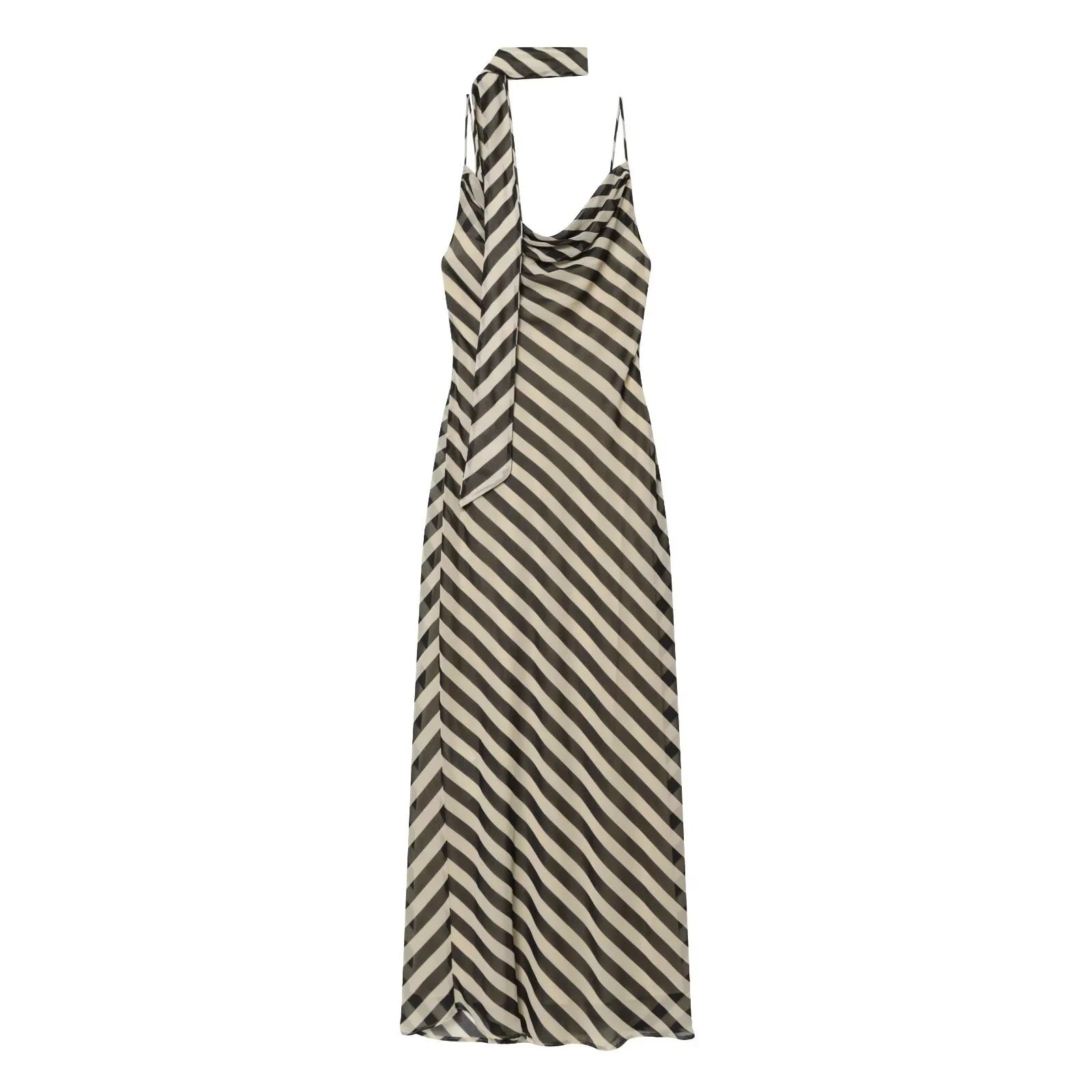
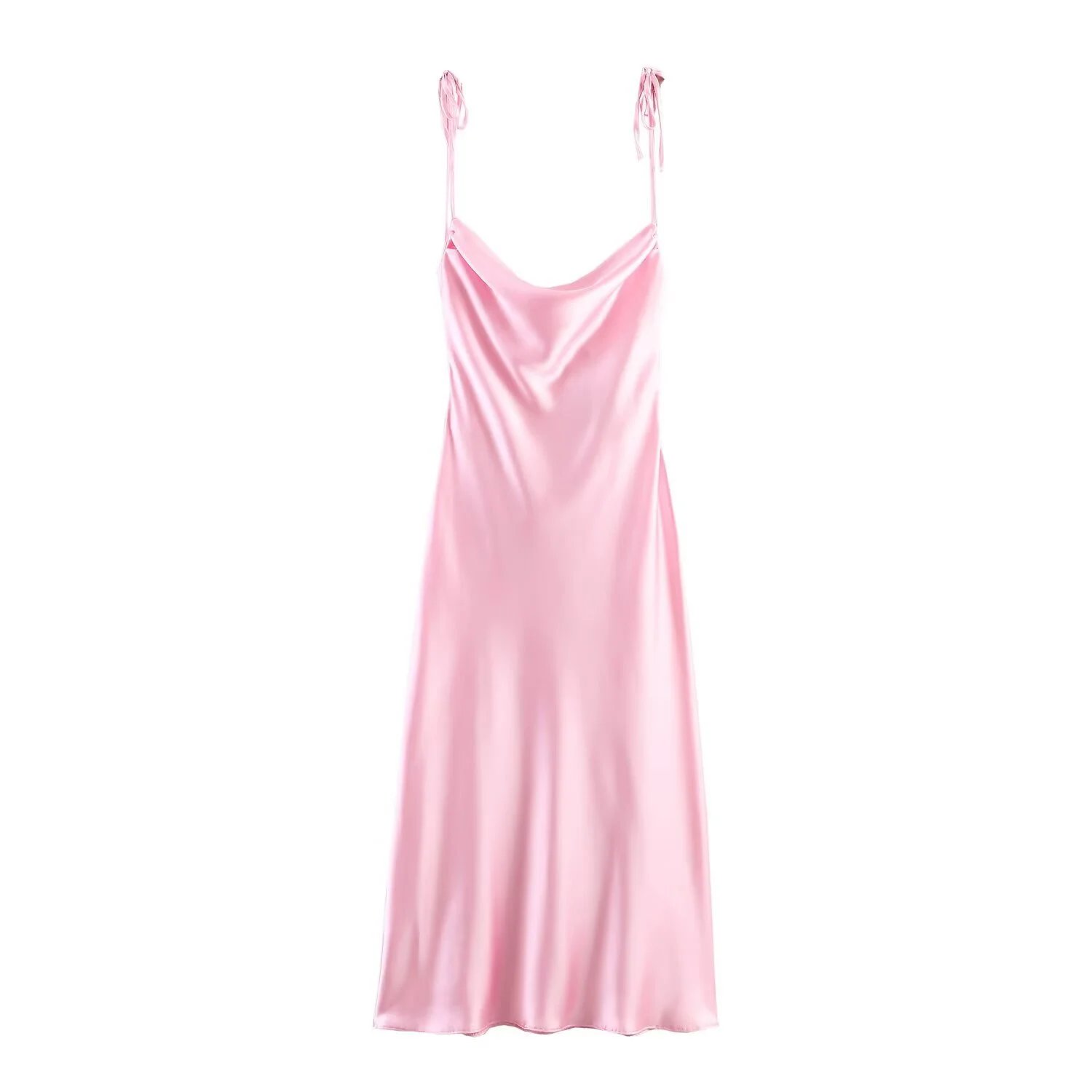
Women's on Litbuy: Sizing Honesty and Cut Over Everything
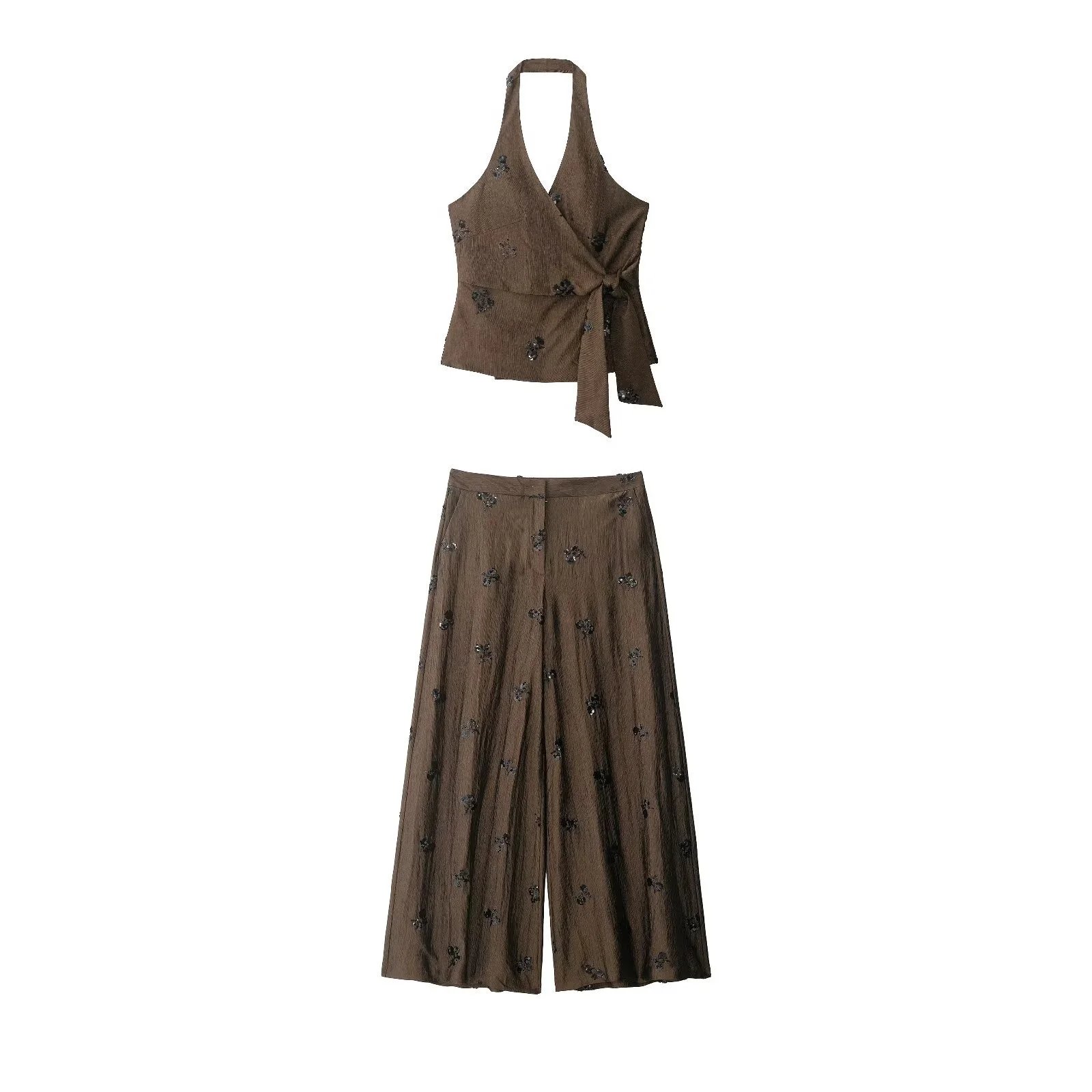
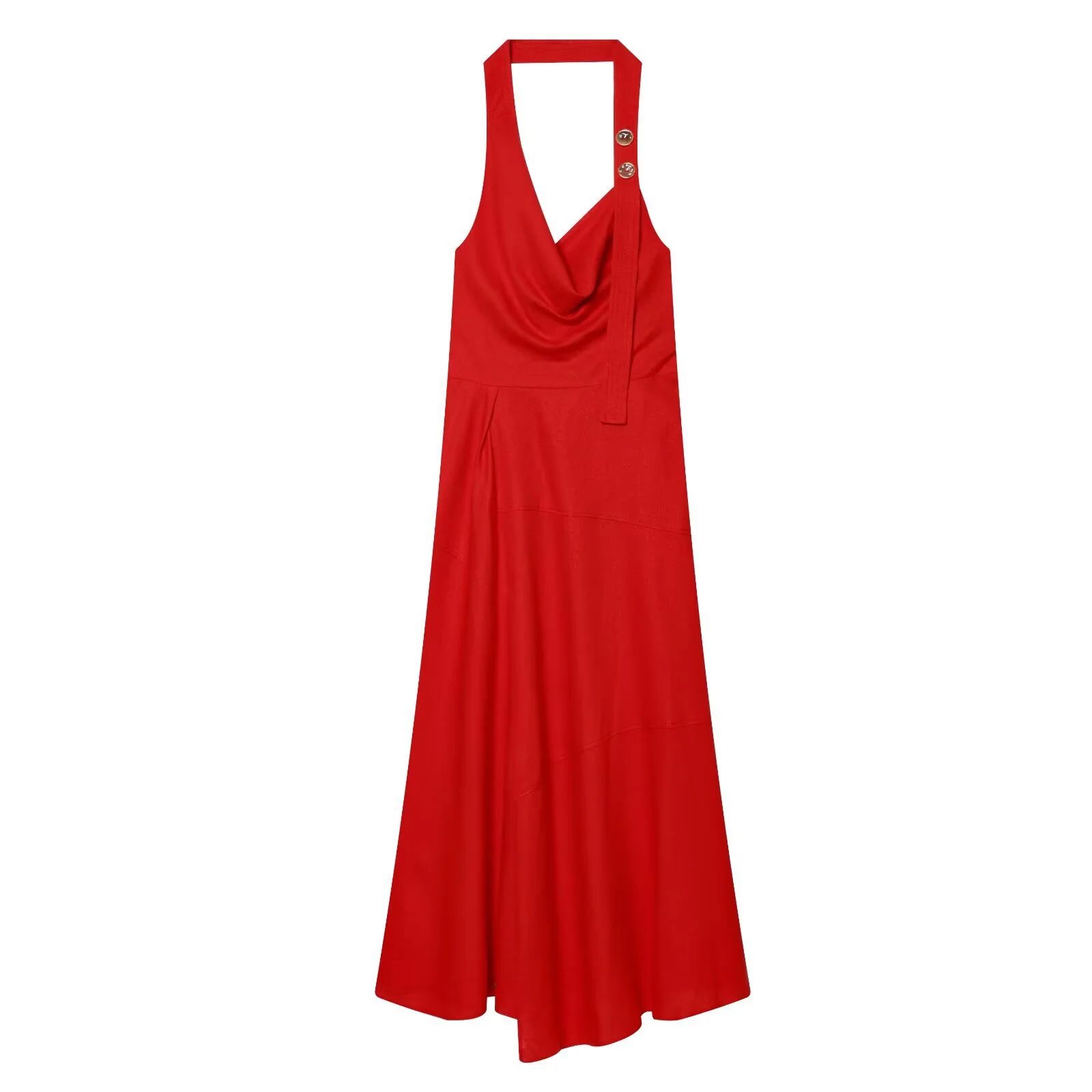
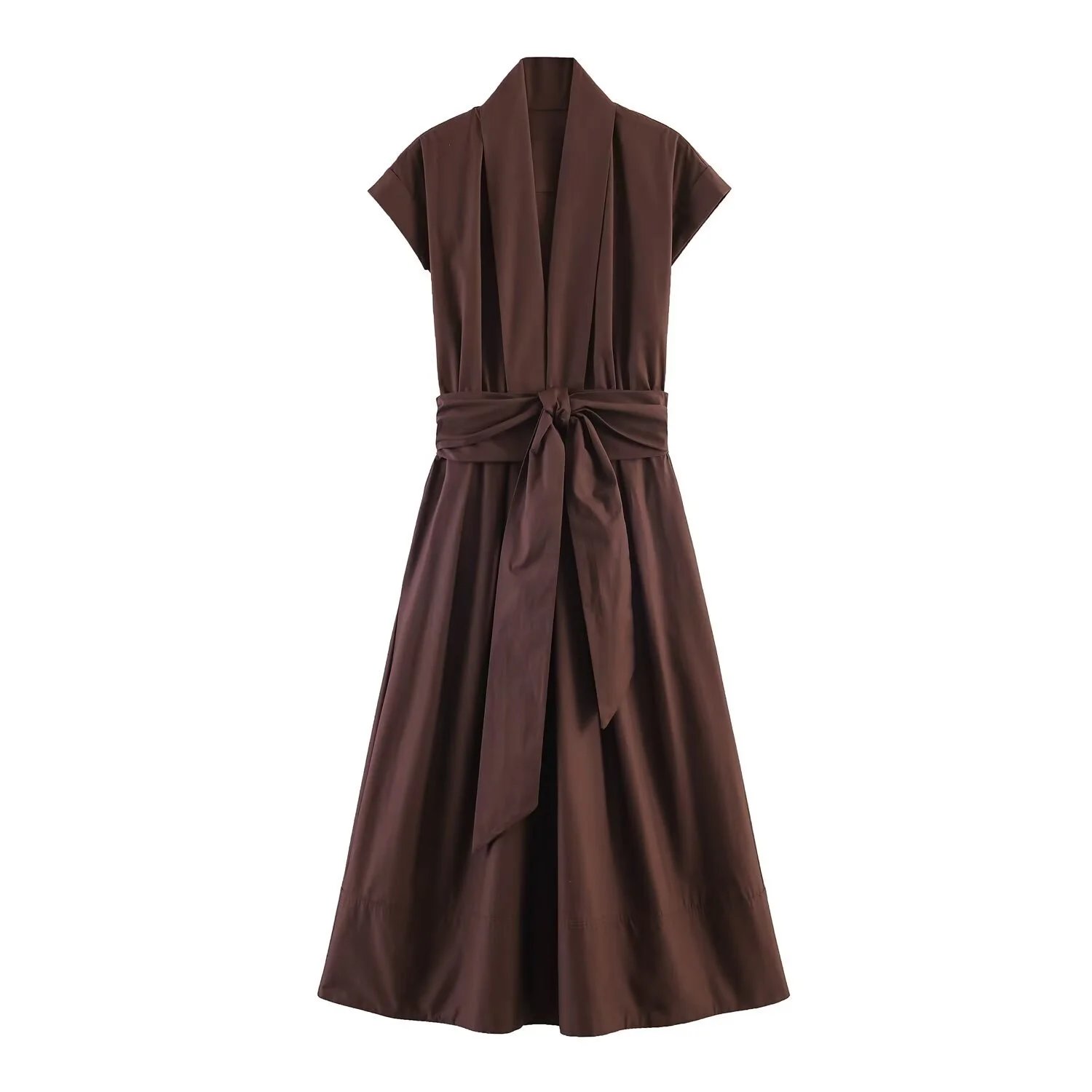
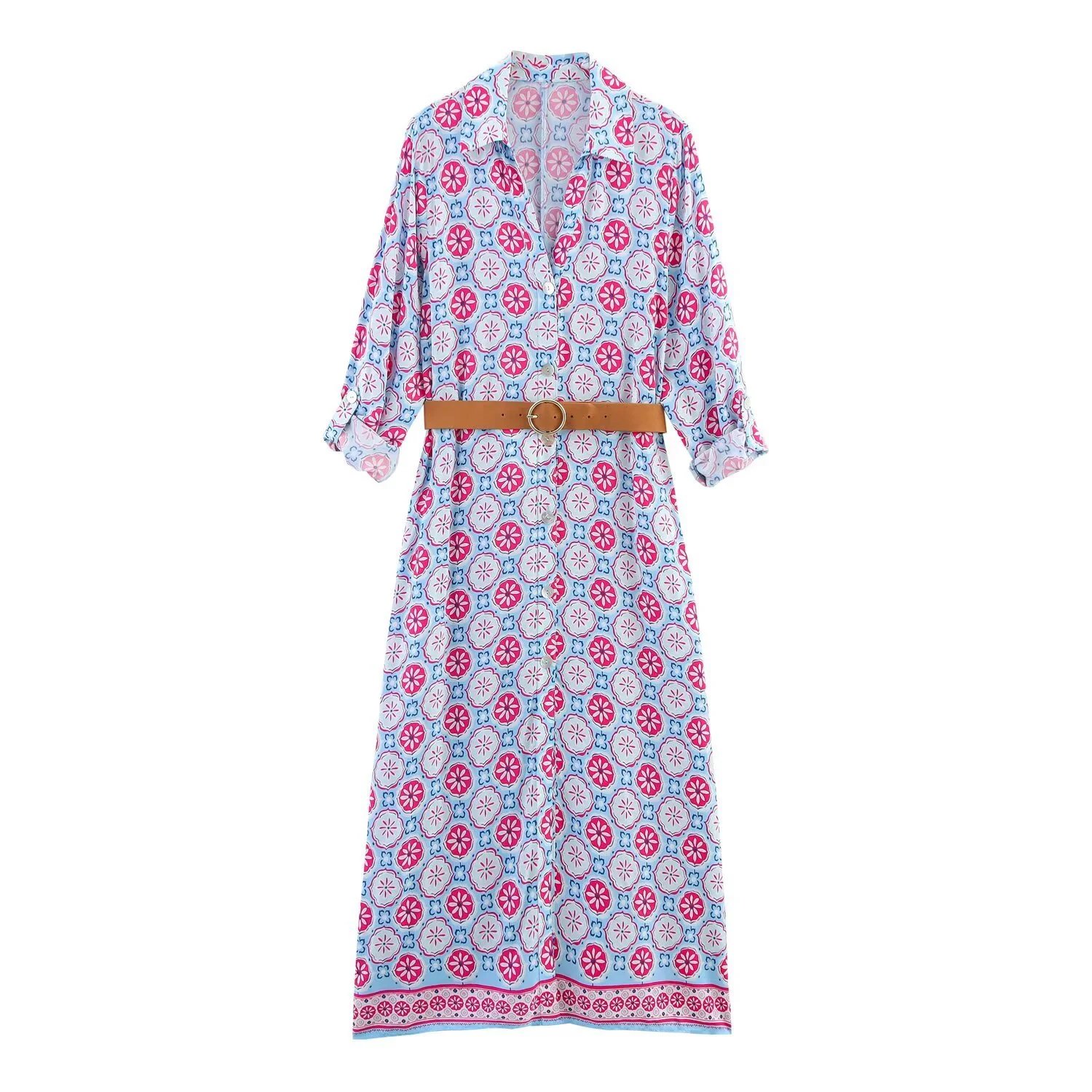
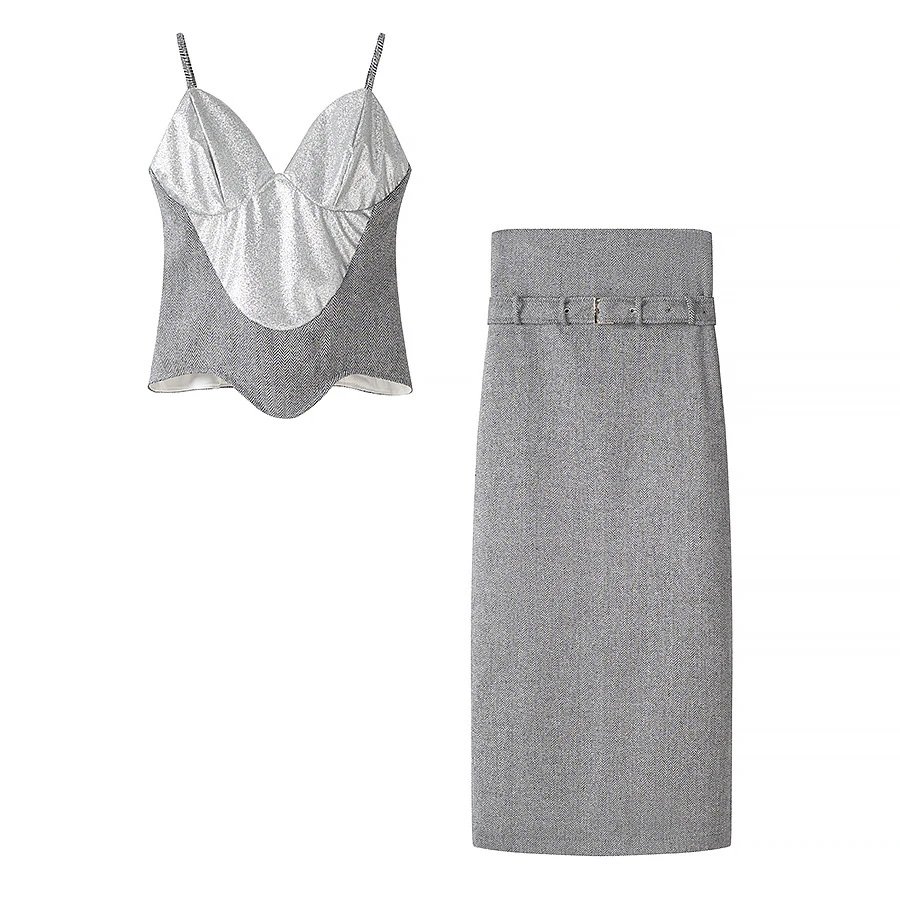
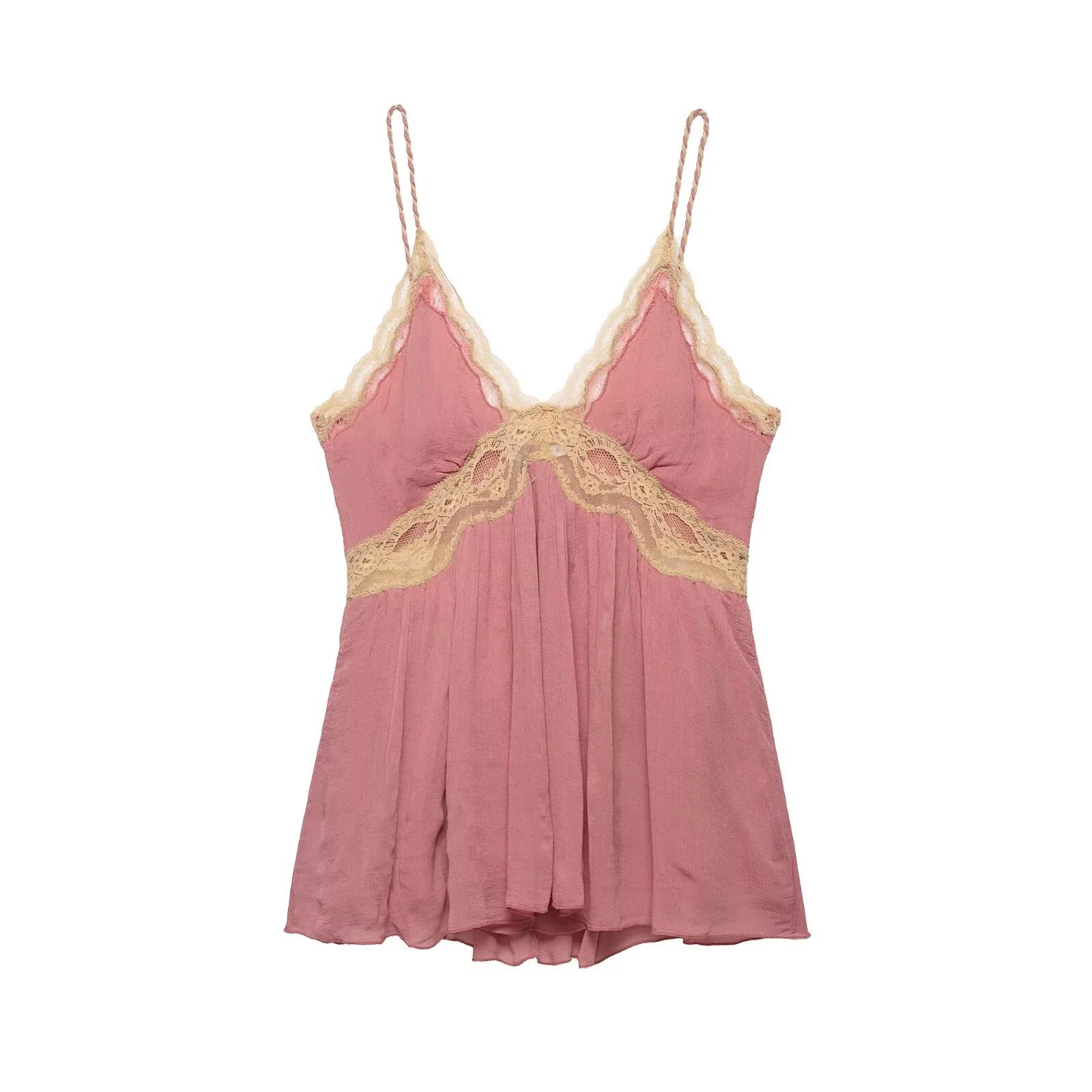
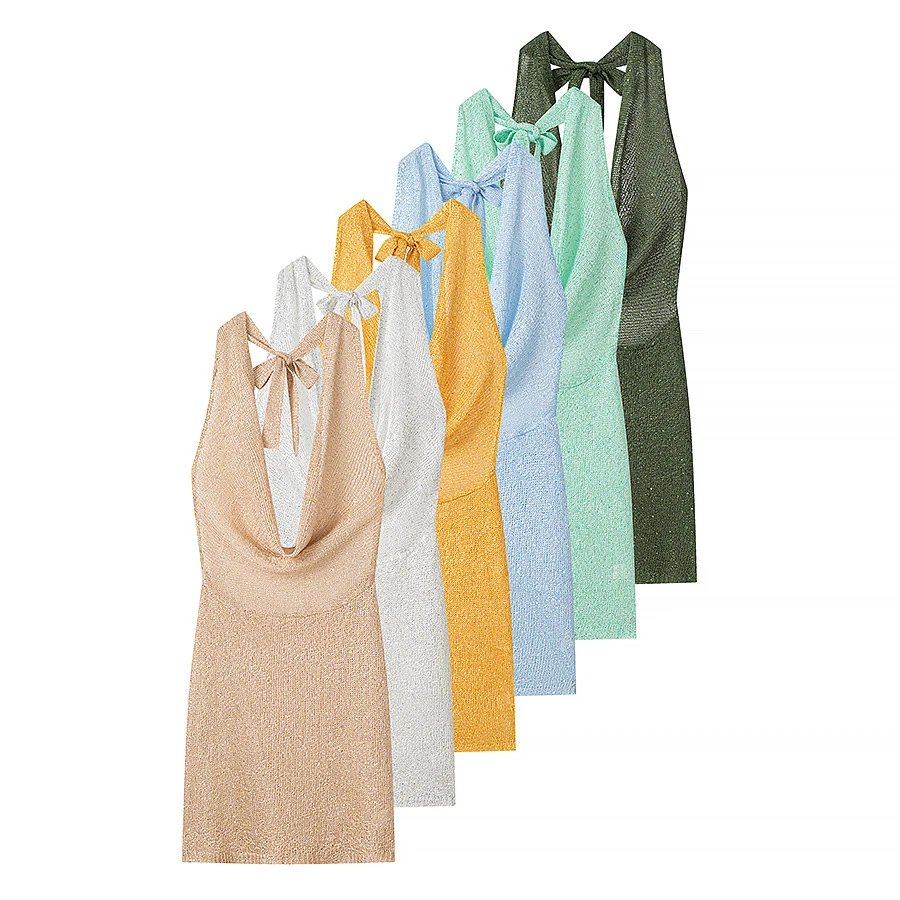
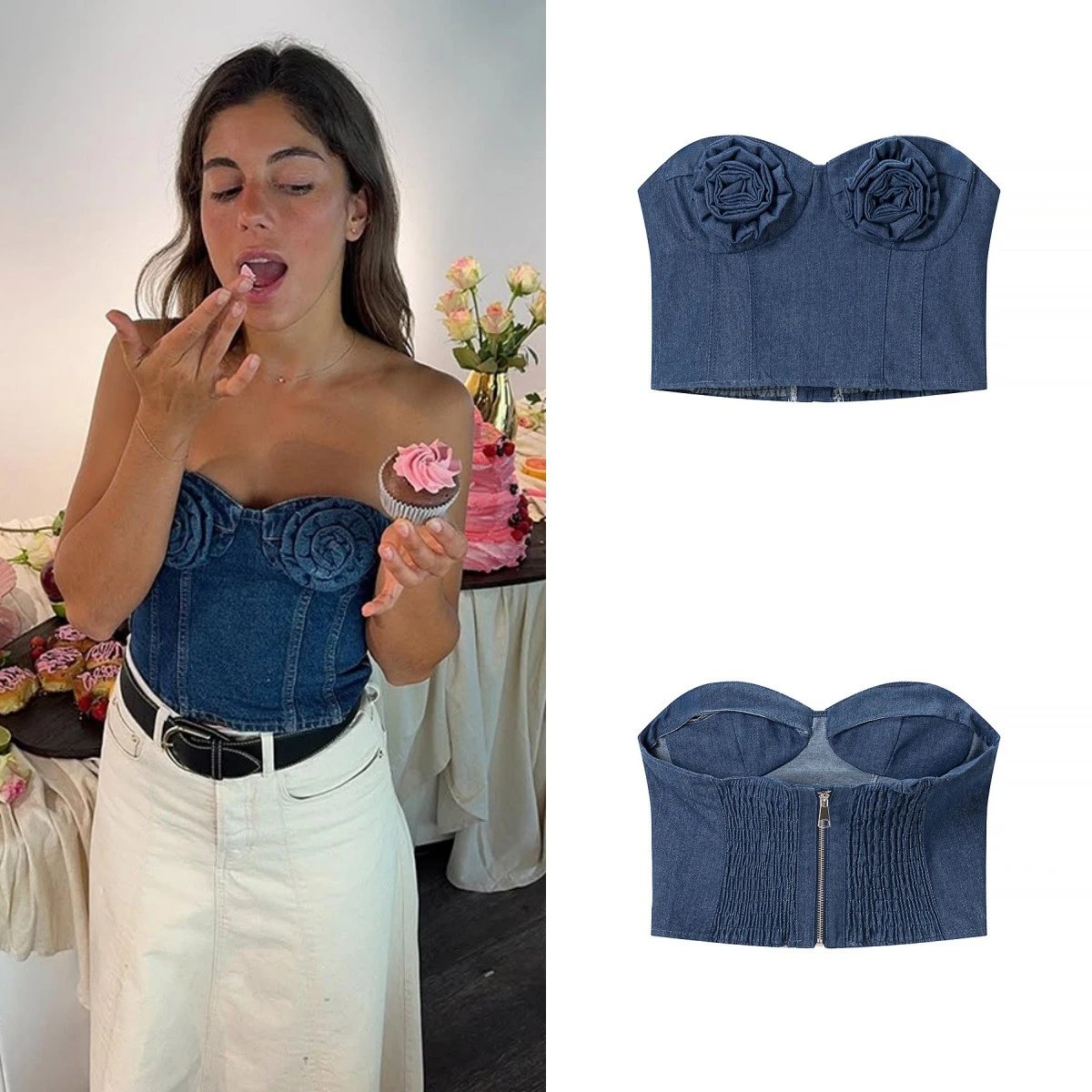
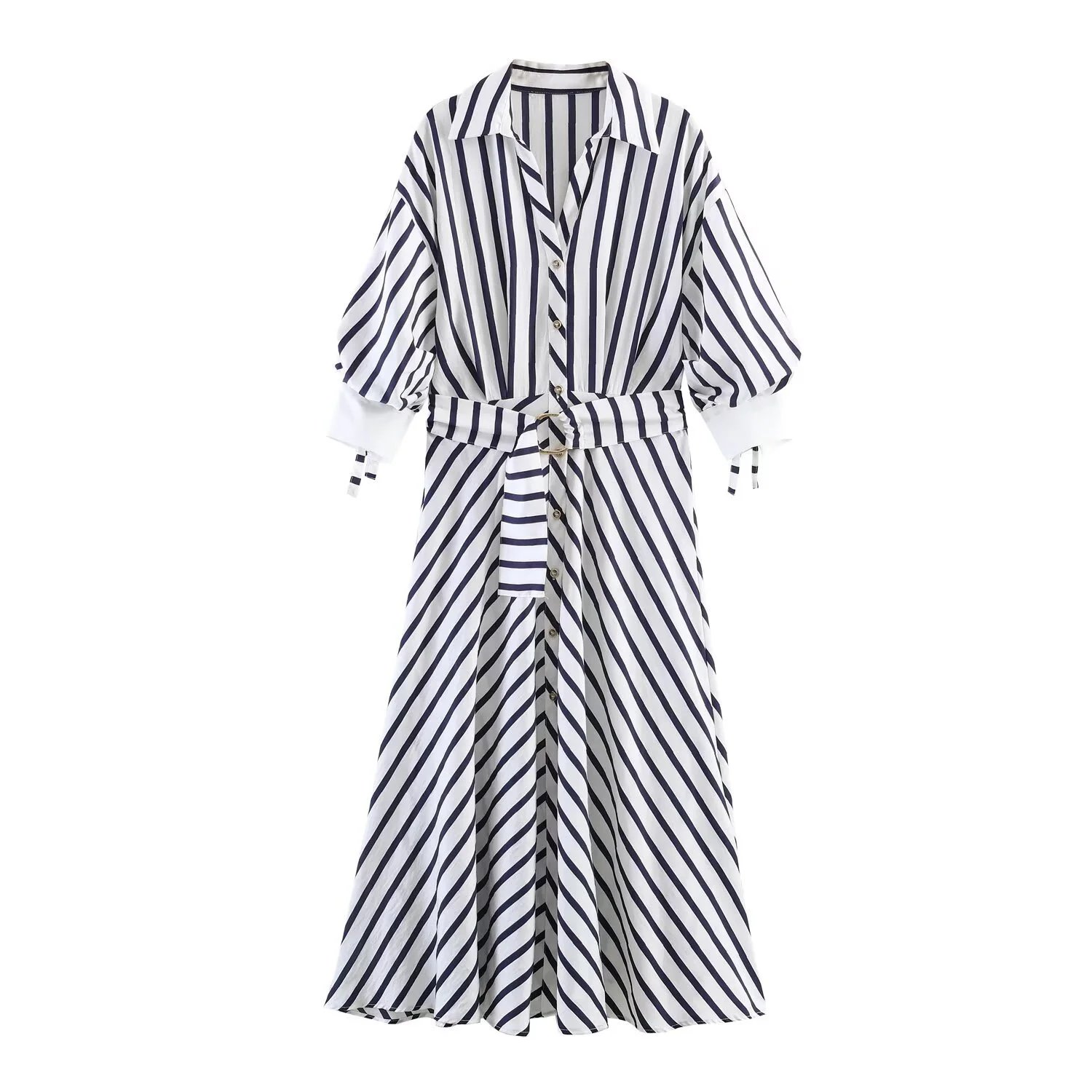
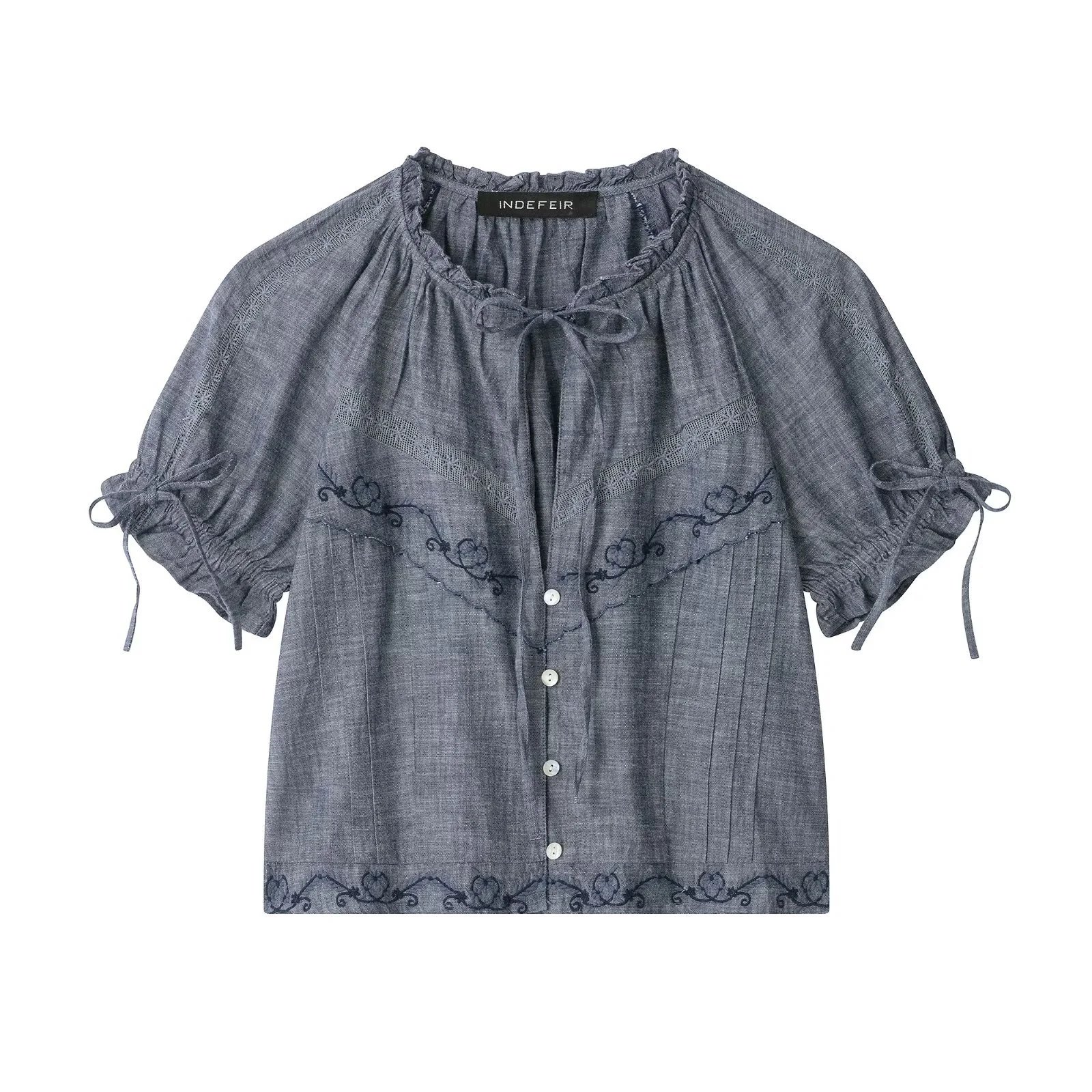
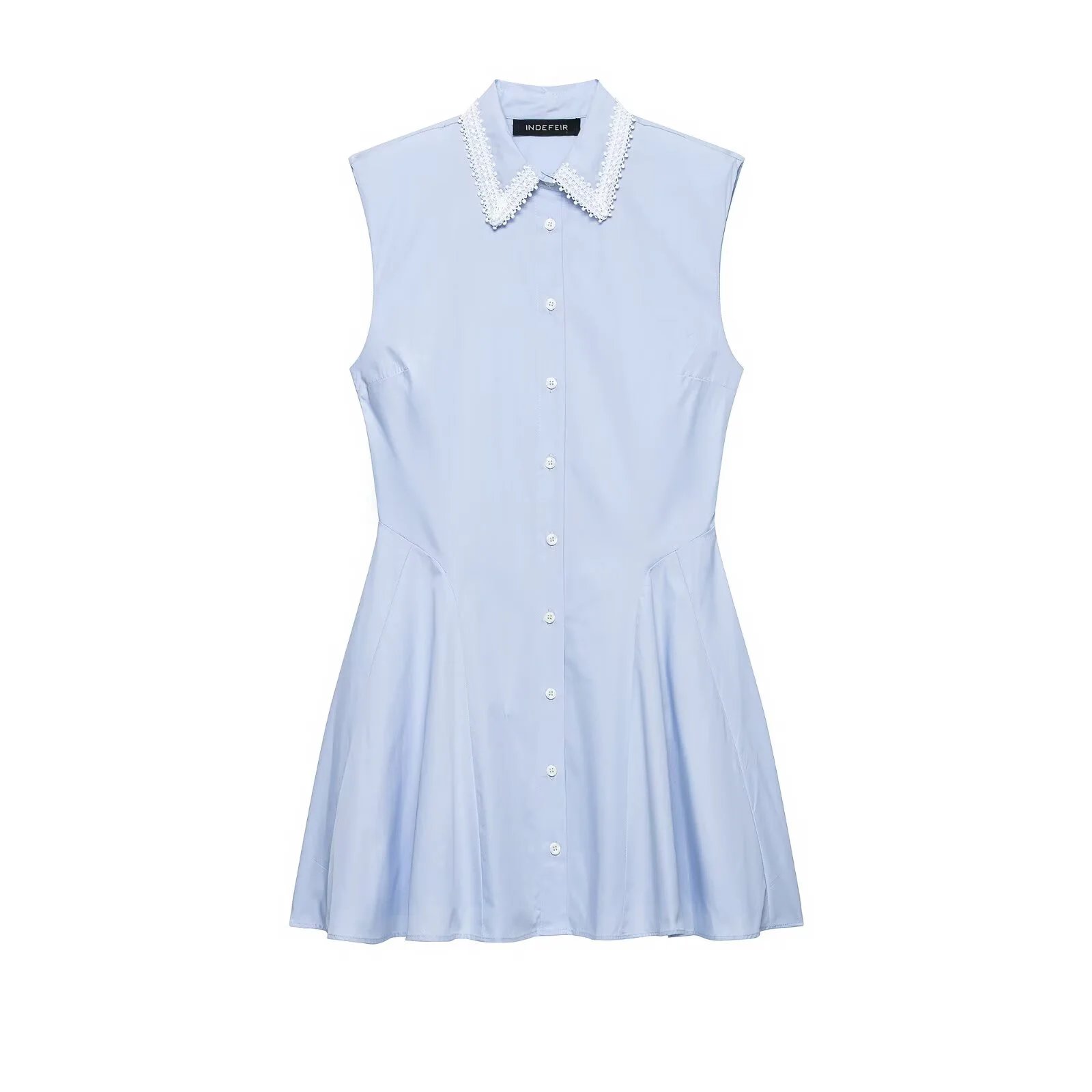
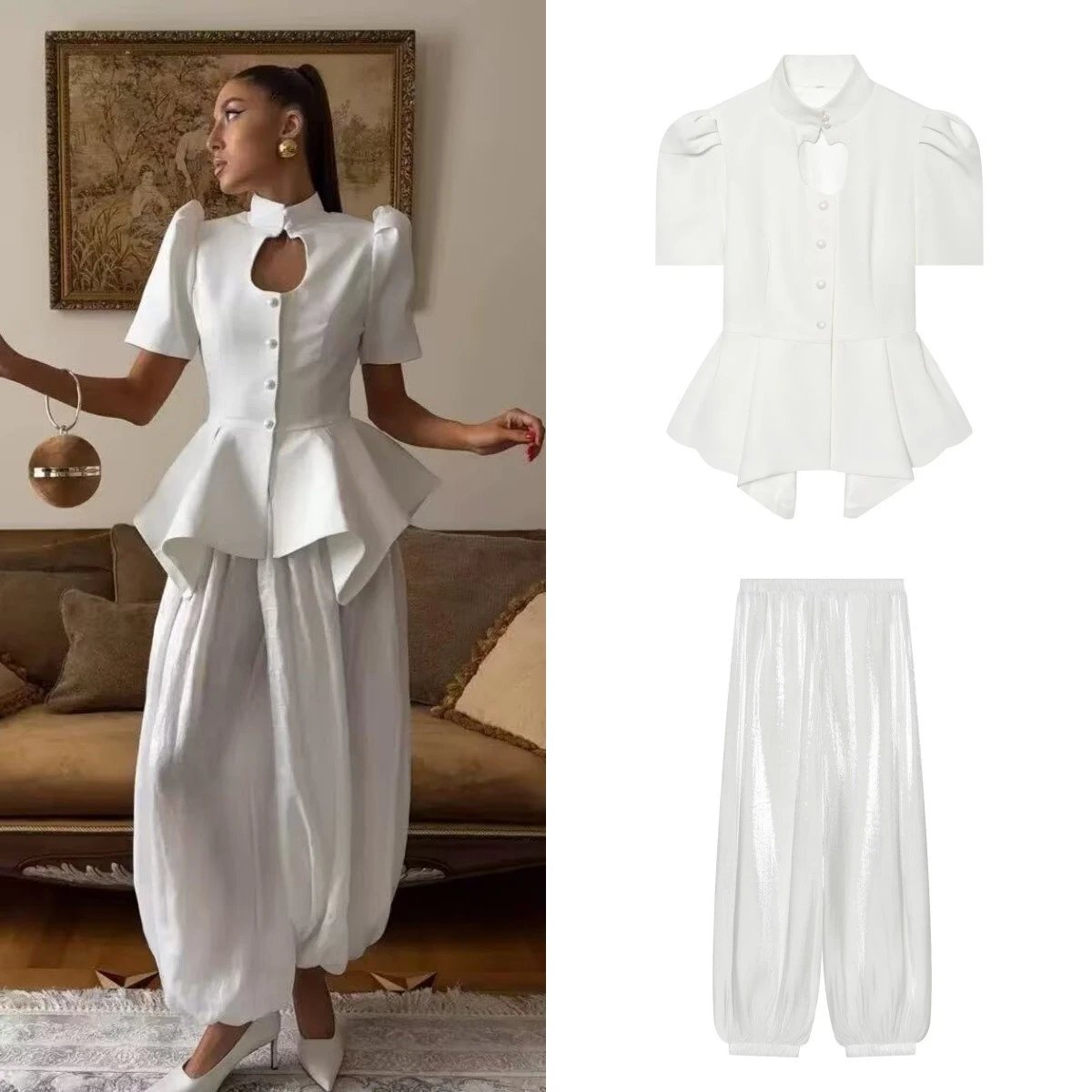
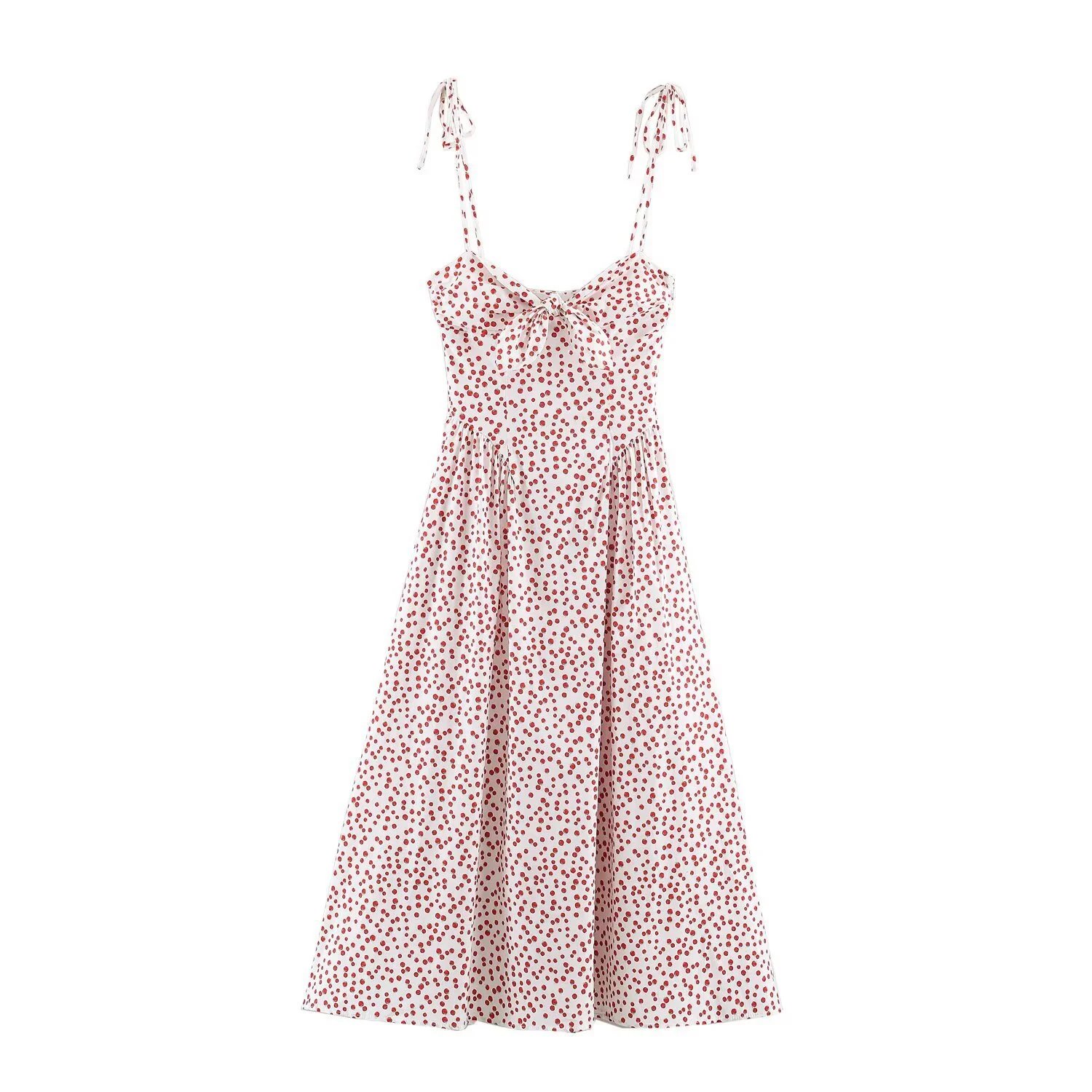
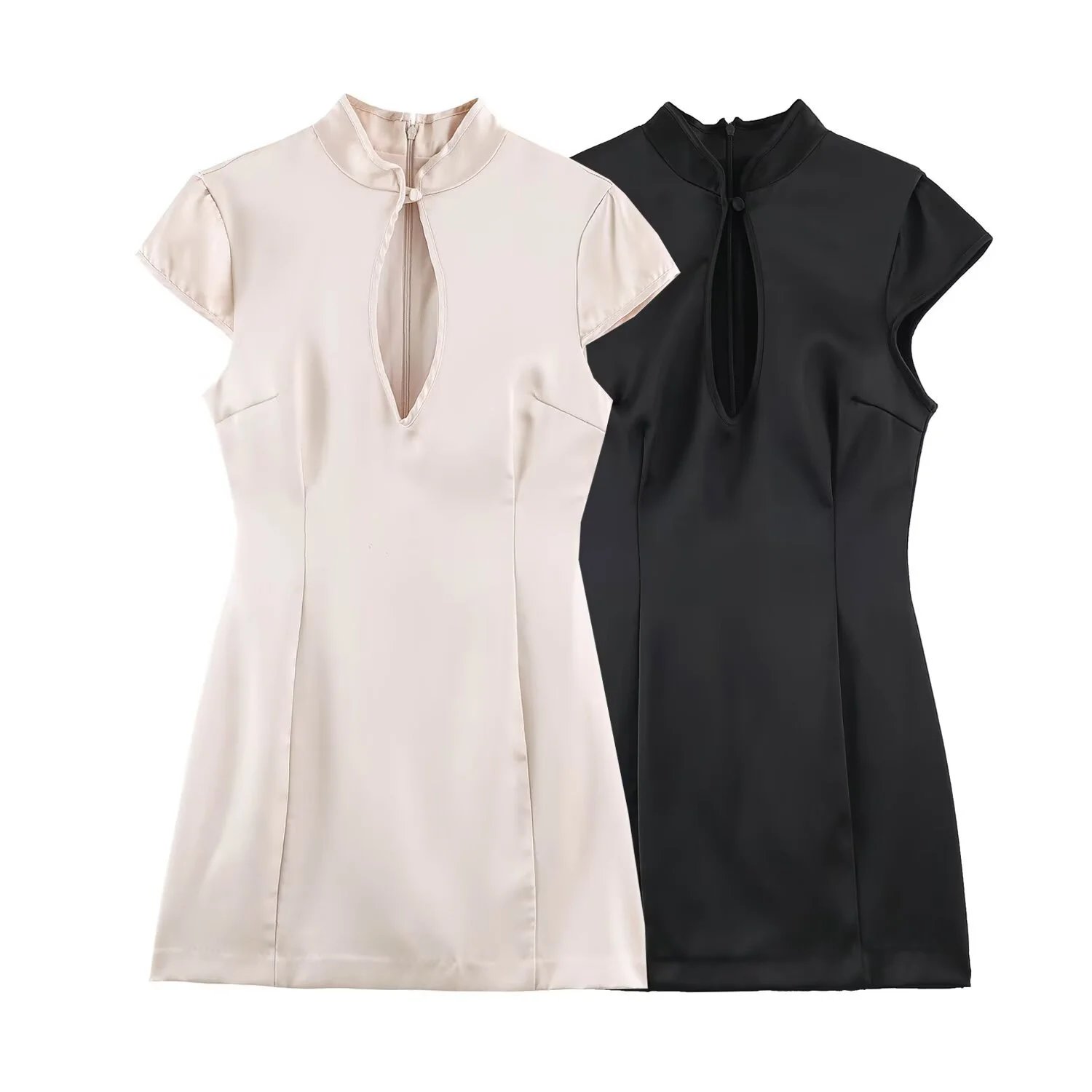
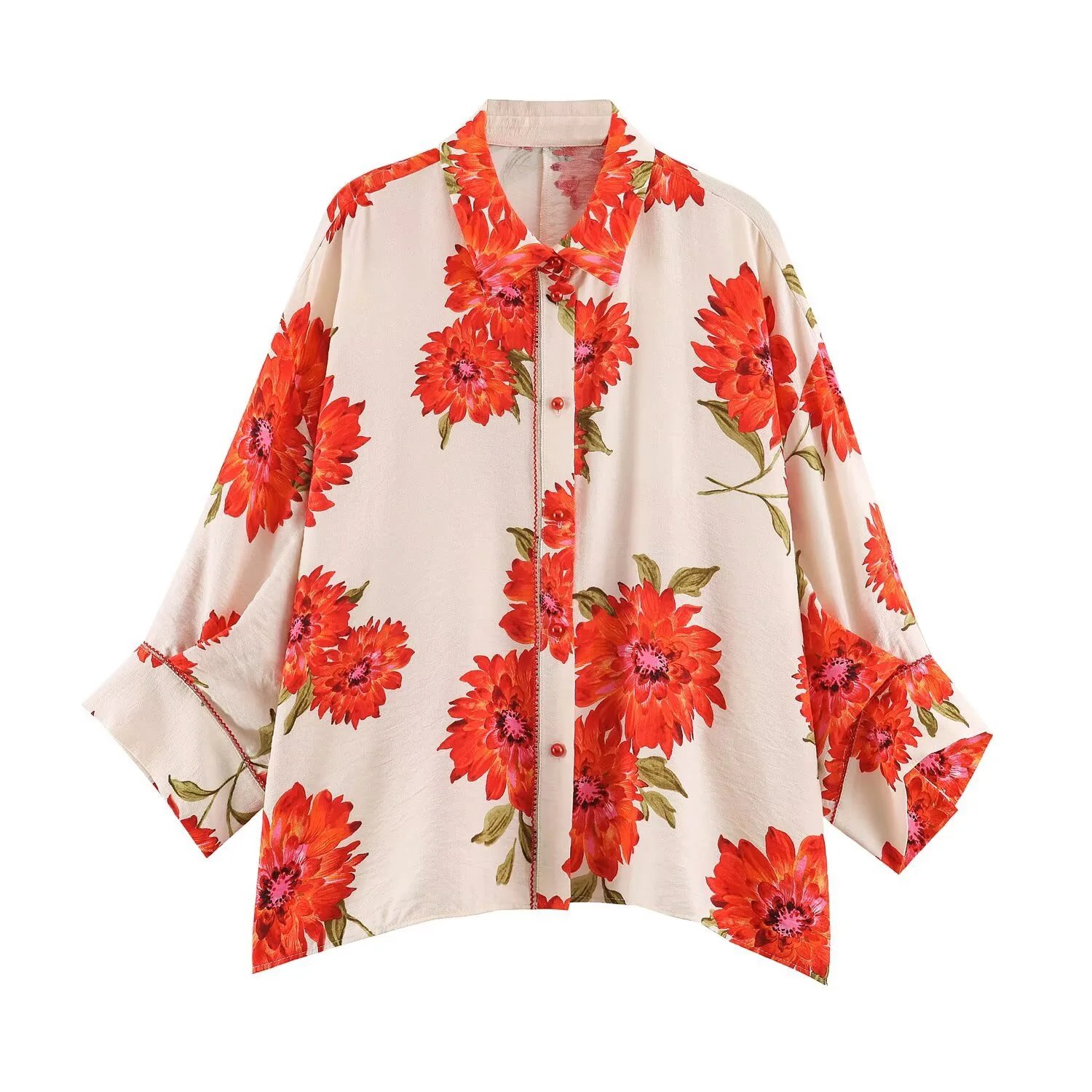
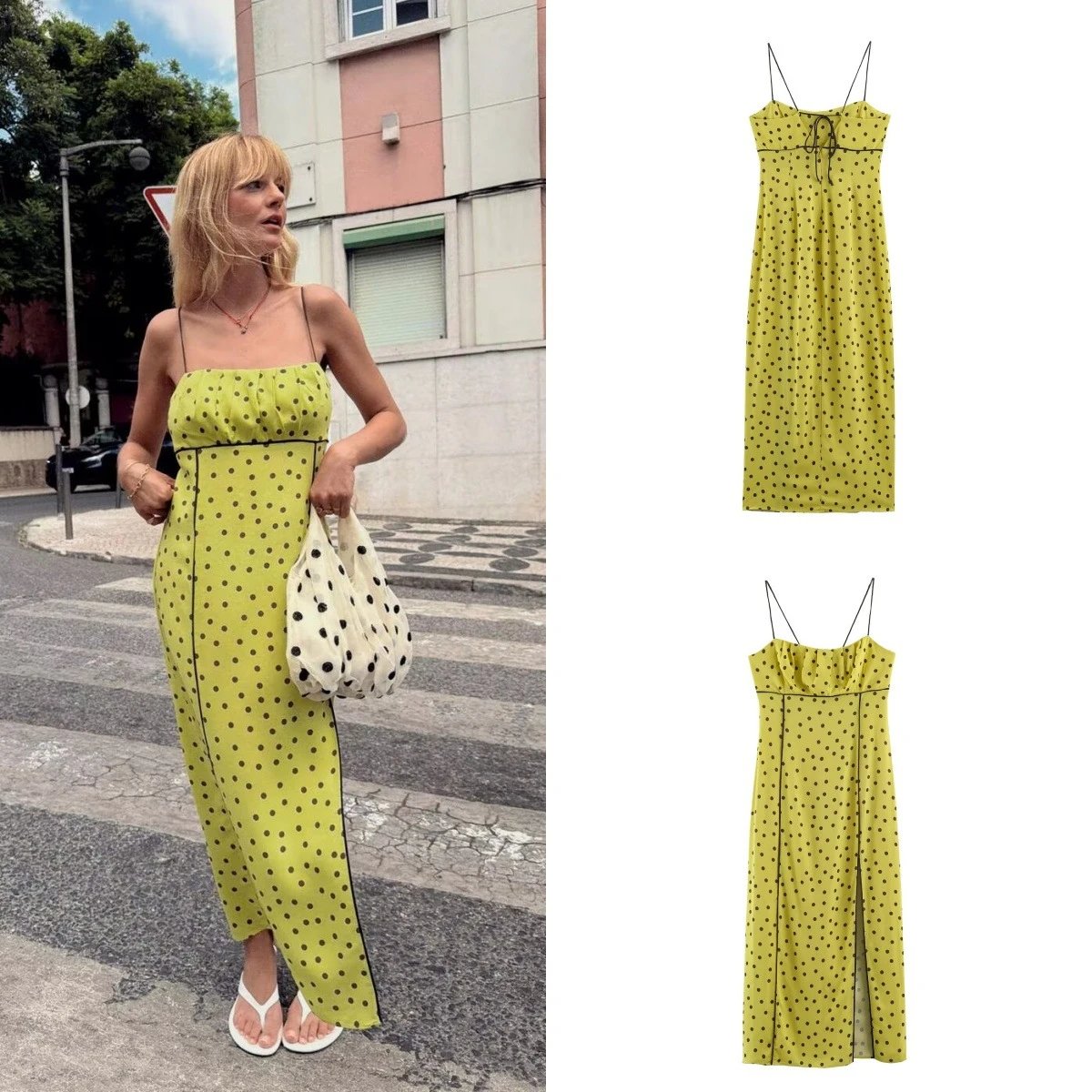
Straight answer: for women's pieces the biggest trap is sizing — Chinese women's cuts run notably small and vary wildly between items — so measure and read the chart every single time, and judge fabric and construction on top of that. This category spans dresses, tops, knitwear, bottoms and sets, so treat each piece on its own rather than assuming your usual size carries across.
Sizing deserves real attention here. A single "M" can mean very different things between a fitted top and an oversized set, and vanity-free Chinese sizing tends to run one to two sizes smaller than Western equivalents. Reliable method:
- Measure a garment you already own that fits well — bust, waist, hip, shoulder and length in centimetres — and match those to the listing chart, not the letter.
- Check whether the fabric has stretch; a non-stretch woven has zero give, so err up if you're between sizes.
- For fitted styles, the bust and shoulder measurements matter most; for flowy or oversized styles, length and hip decide the look.
Fabric and drape make or break women's pieces more than logos do. In QC photos, look at whether the fabric hangs the way the listing shows or looks thin and clingy; check that knitwear is dense and even rather than sheer; and confirm linings are present where the style needs them (dresses, skirts, lighter tops) so the piece isn't see-through. Ask your Litbuy QC note to show the fabric held up to light if sheerness is a risk.
Construction details worth checking at QC: even stitching along seams and hems, zippers that sit flat and run smoothly, buttons and clasps attached securely, and any print, embroidery or lace applied straight and cleanly. On sets, confirm both pieces are included and match. Cotton and rayon blends can shrink, so cold wash and hang dry.
Spotting a good Weidian seller here: they post real worn or flat-lay photos with clear measurements, are honest that sizing runs small, and answer fabric and stretch questions directly. Stock-only images or a vague size chart are a reason to compare other listings of the same find — and where the same piece appears under several sellers, the price gap can reflect a genuine fabric or make difference.
Available sizes, colours and stock move quickly in this category, so trust the live Litbuy listing and the seller's current reply over an older spreadsheet entry, and let your own measurements decide rather than the size label.