T-Shirts Through Litbuy: Don't Underrate the Basics
Direct answer: with tees, judge the cotton weight and the print quality first — a cheap-feeling, thin shirt with a cracked graphic is the most common letdown, and both are visible in a good QC photo. Because tees are inexpensive, buyers rush them; a little care separates a shirt you keep from one you never wear.
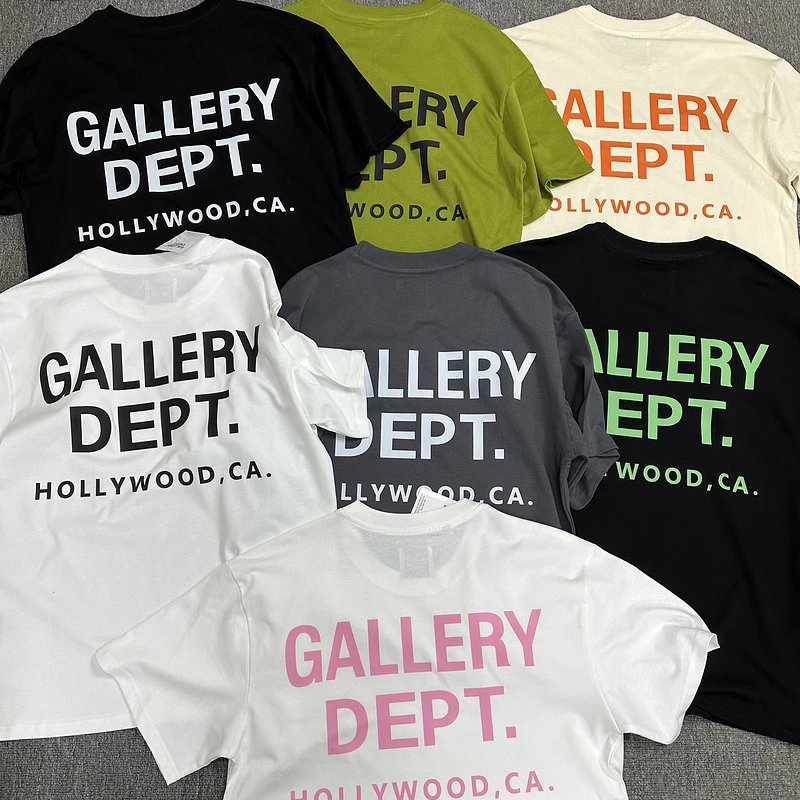
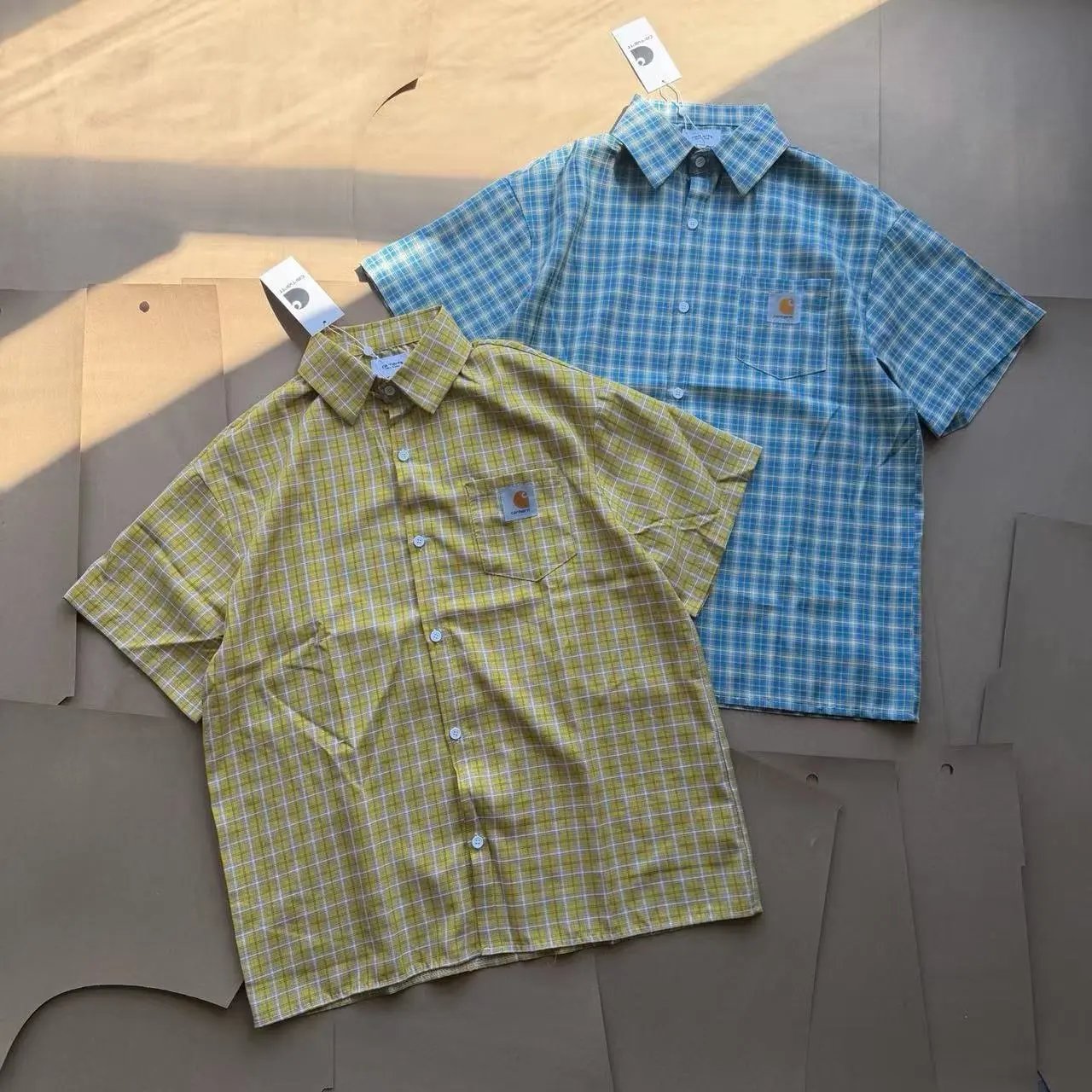
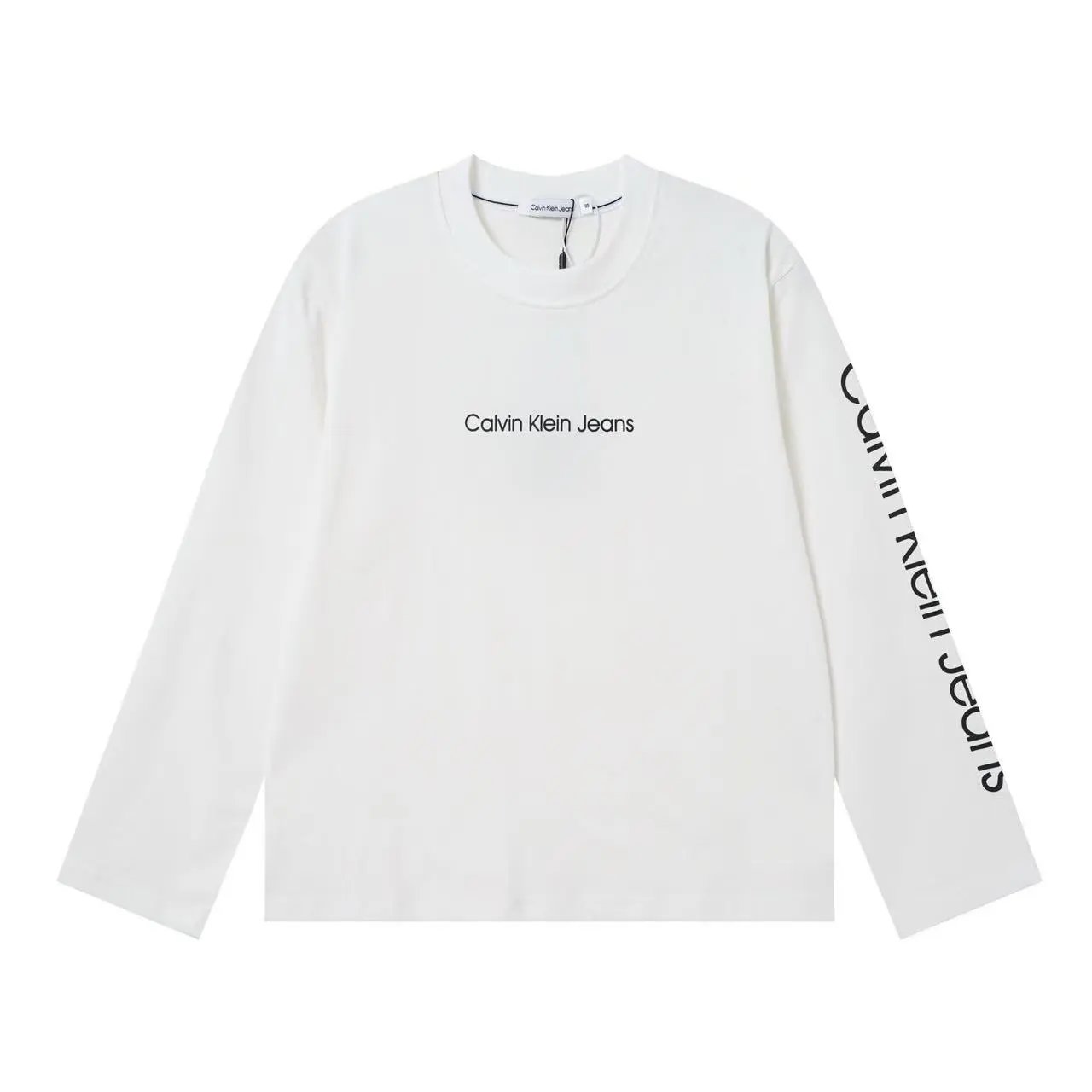
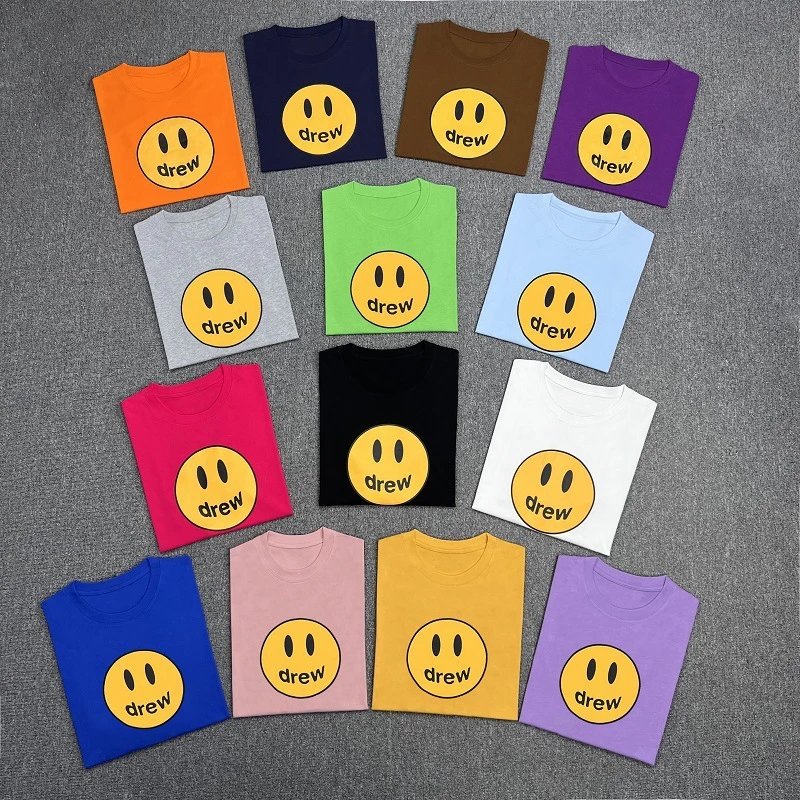
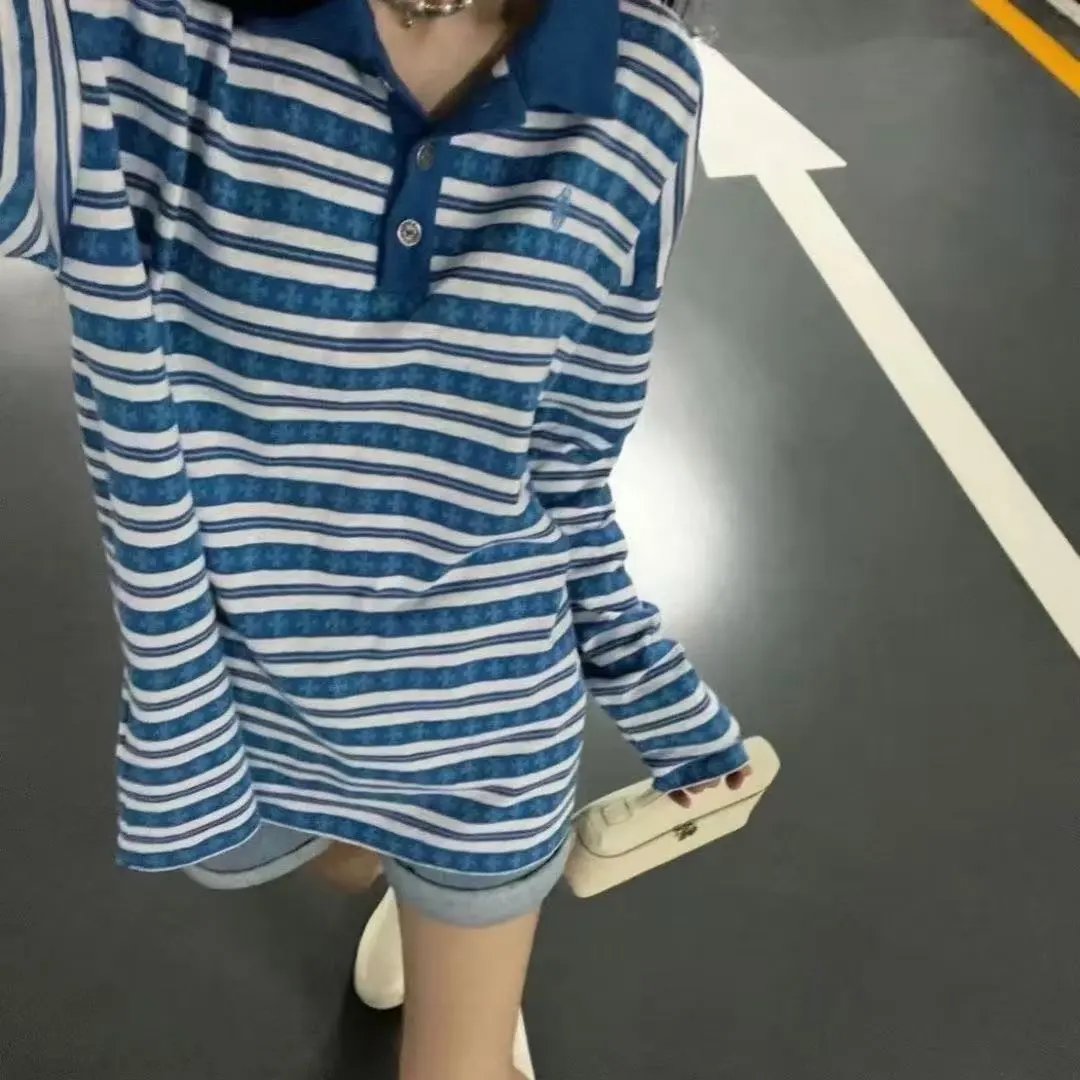
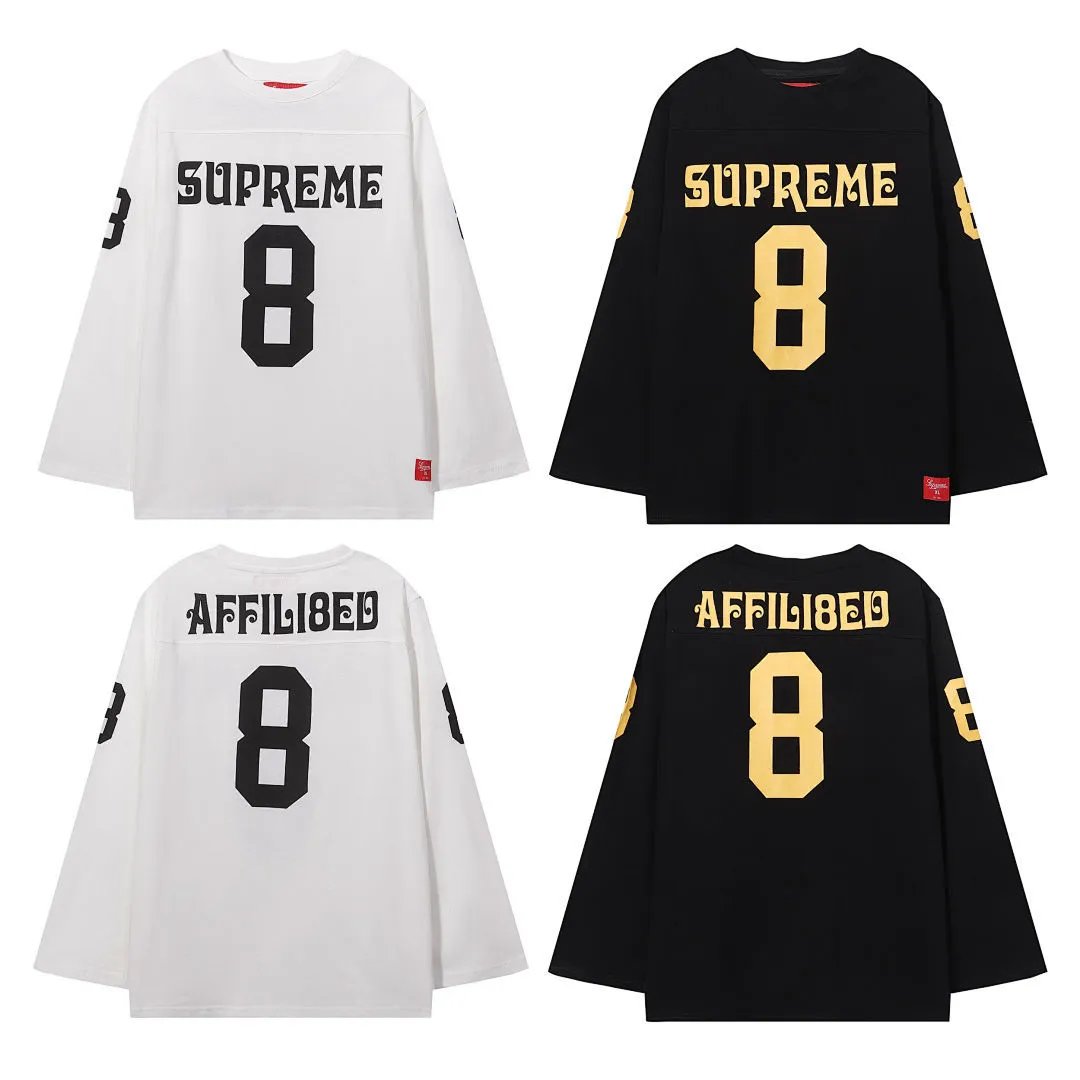
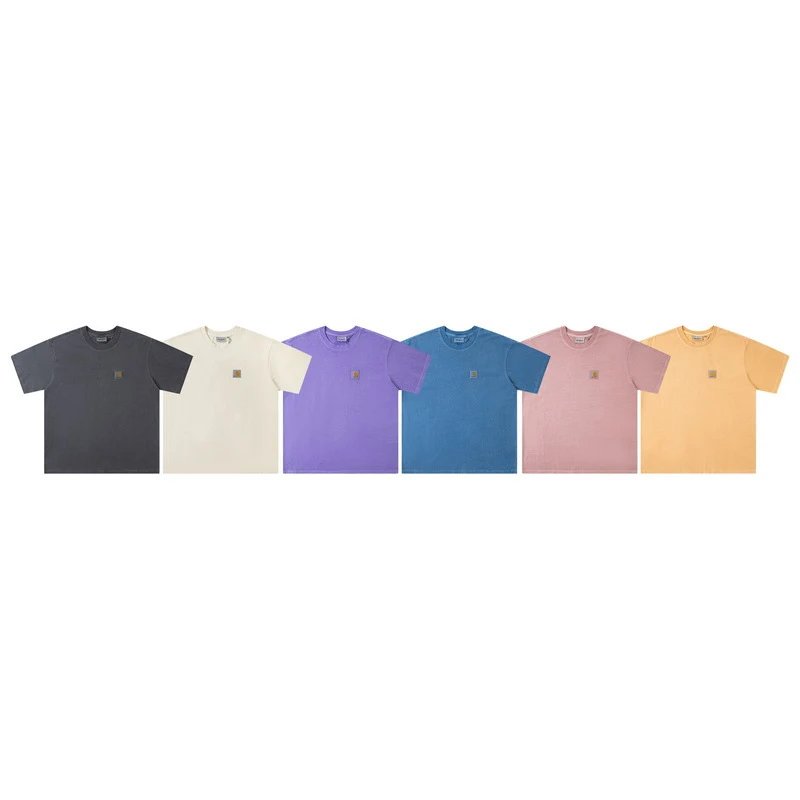
Fabric is everything on a plain silhouette. A quality tee uses a heavier, denser cotton that reads opaque and holds shape; a thin one looks see-through and clingy in QC shots and pills quickly. If the listing names a GSM or a heavyweight/boxy fit, that's a good sign — many of the better "finds" are specifically the heavier-weight versions, and that's often what the price difference between sellers on the spreadsheet reflects.
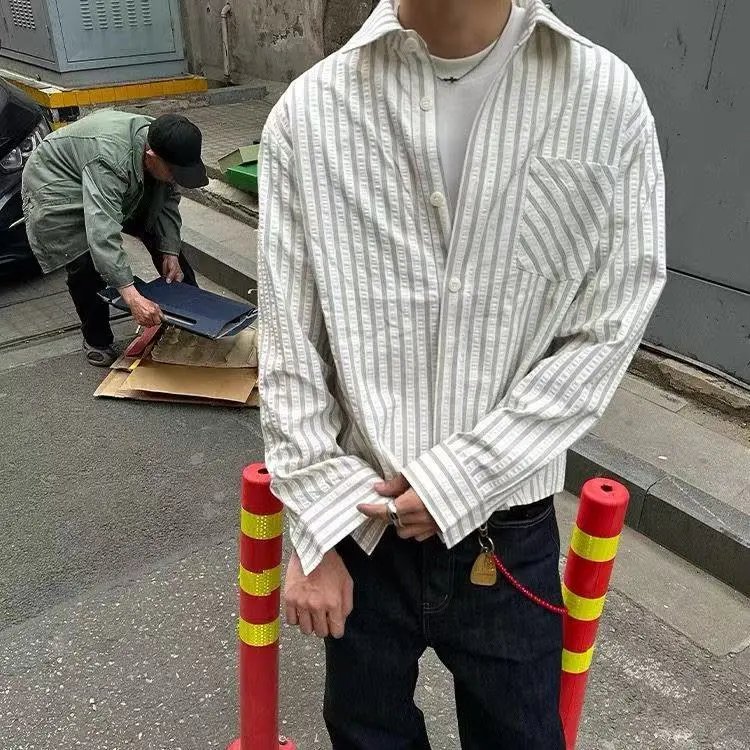
Fit on tees swings between two worlds: slim Asian cuts and oversized boxy drops. They wear completely differently, so:
- Read the chest width and body length in centimetres against a tee you own, flat.
- Know that a "boxy" or "oversized" listing is meant to sit wide and cropped — that's the design, not a size error.
- Cotton tees can shrink a touch on a hot wash; wash cold and hang dry, especially with printed pieces.
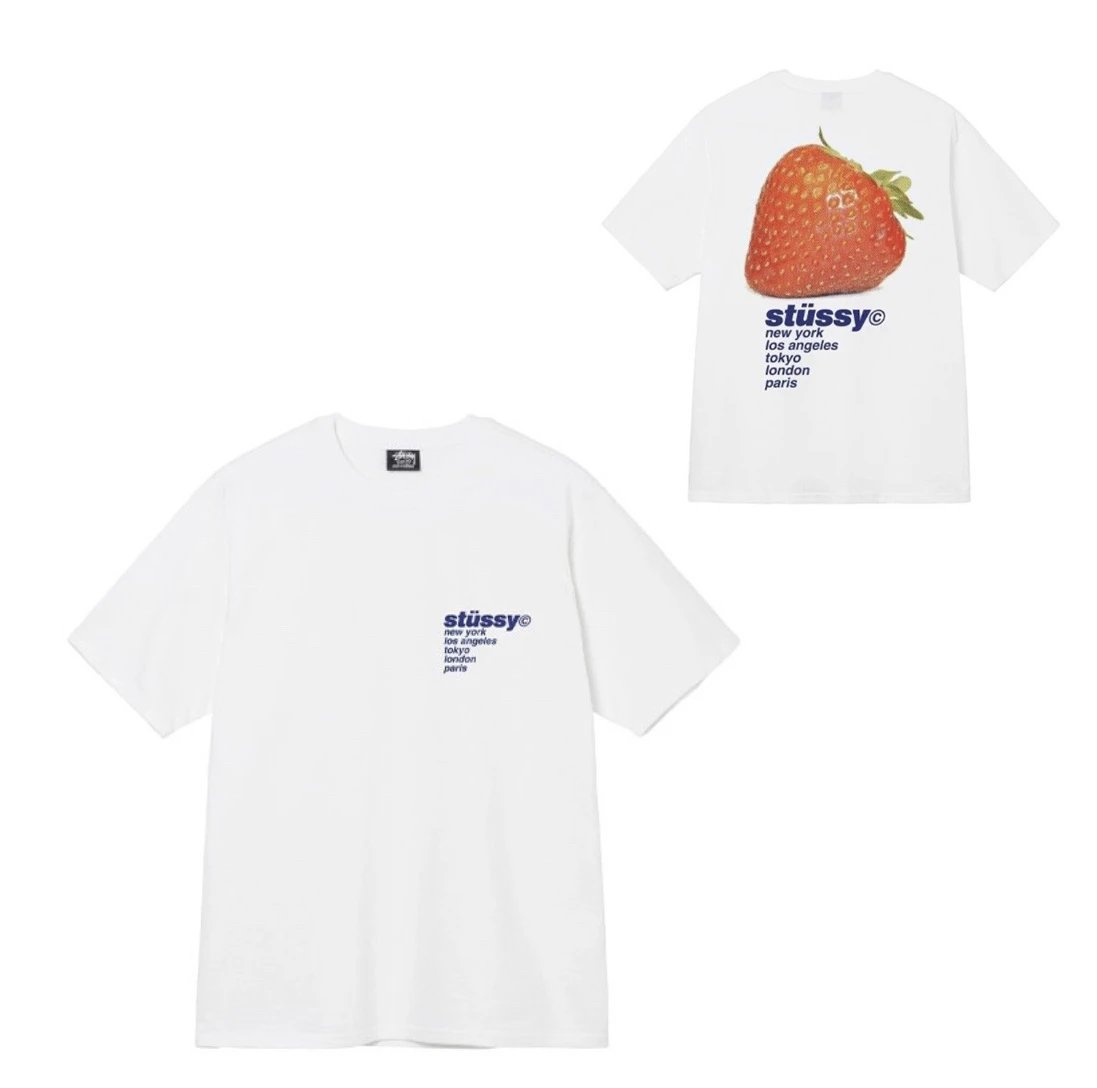
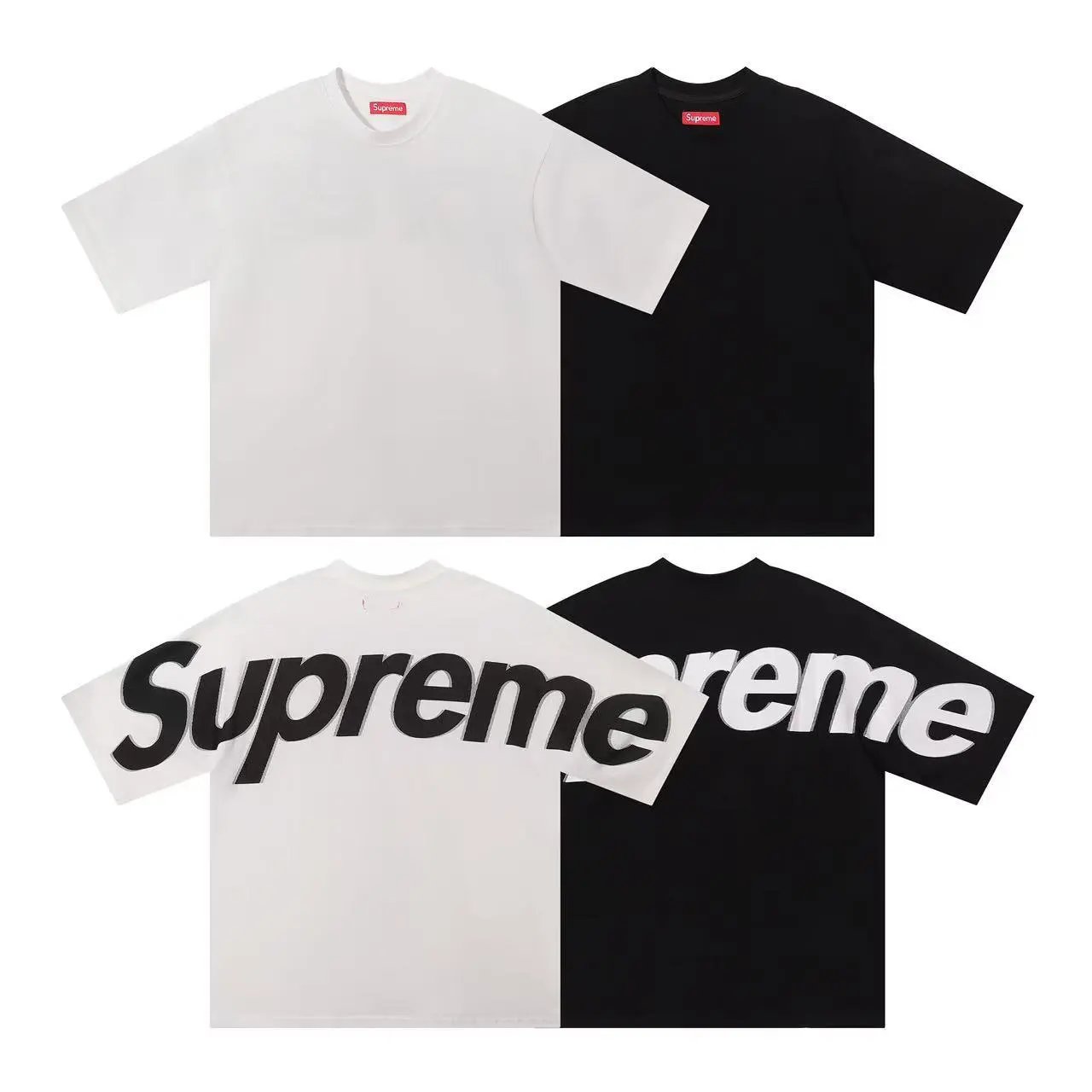
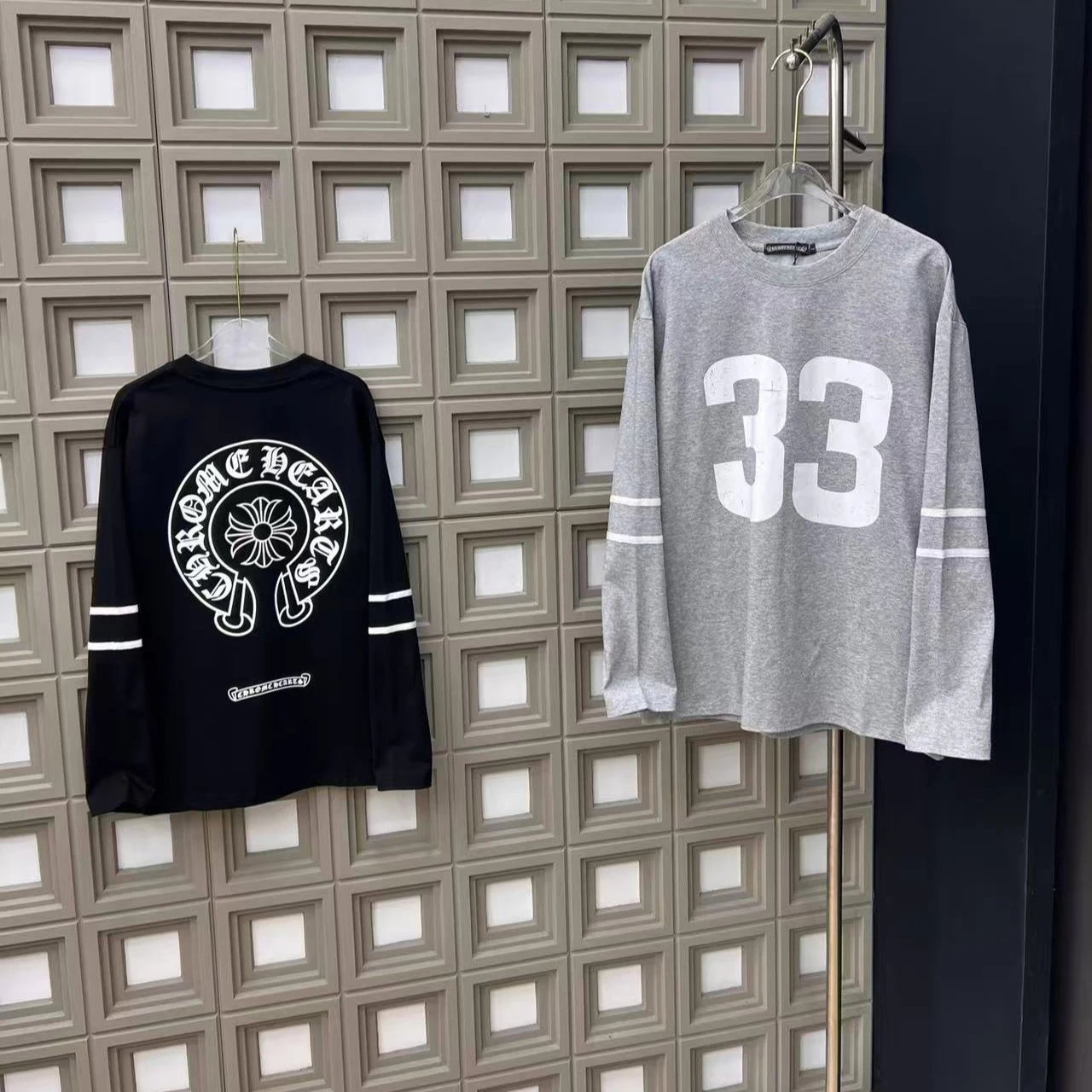
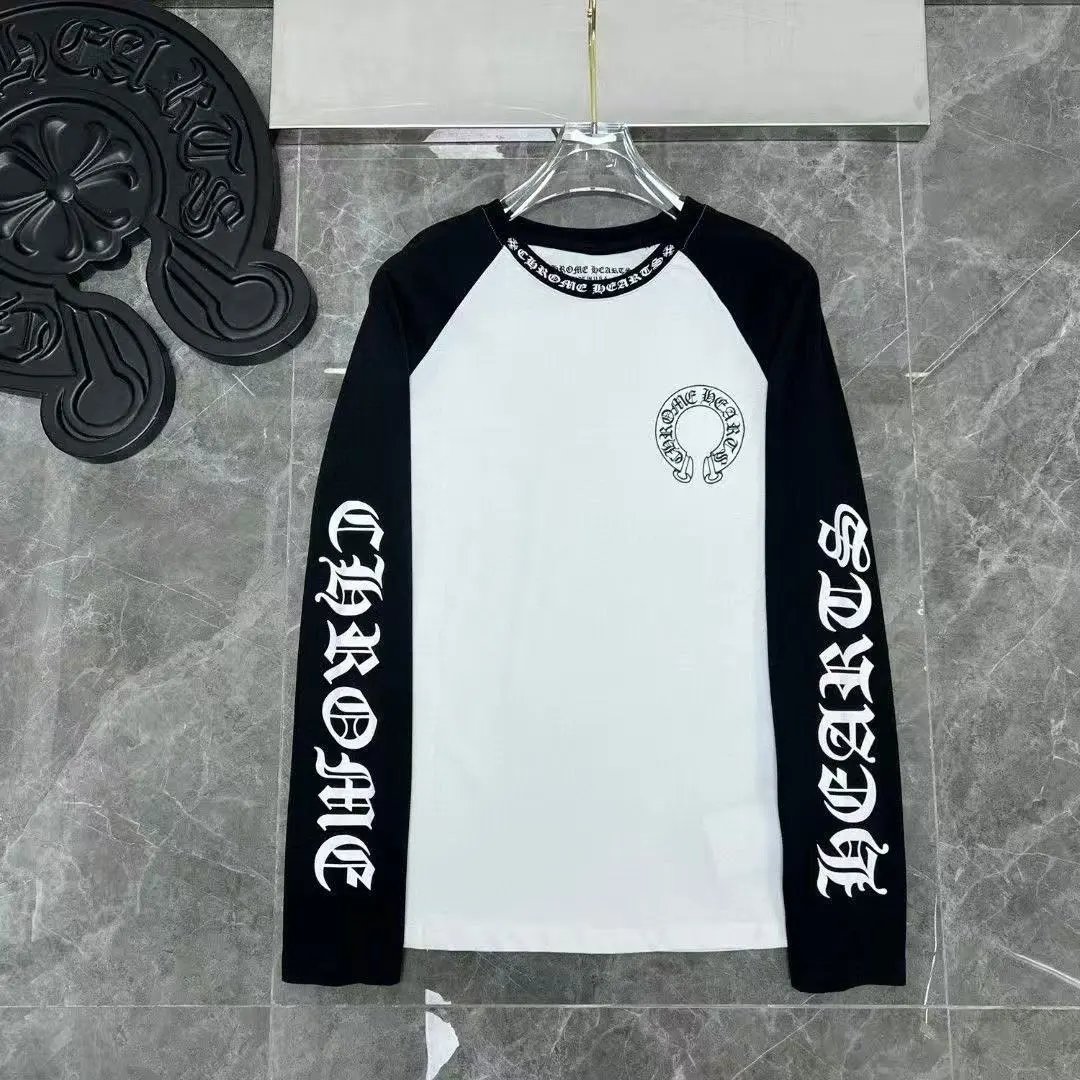
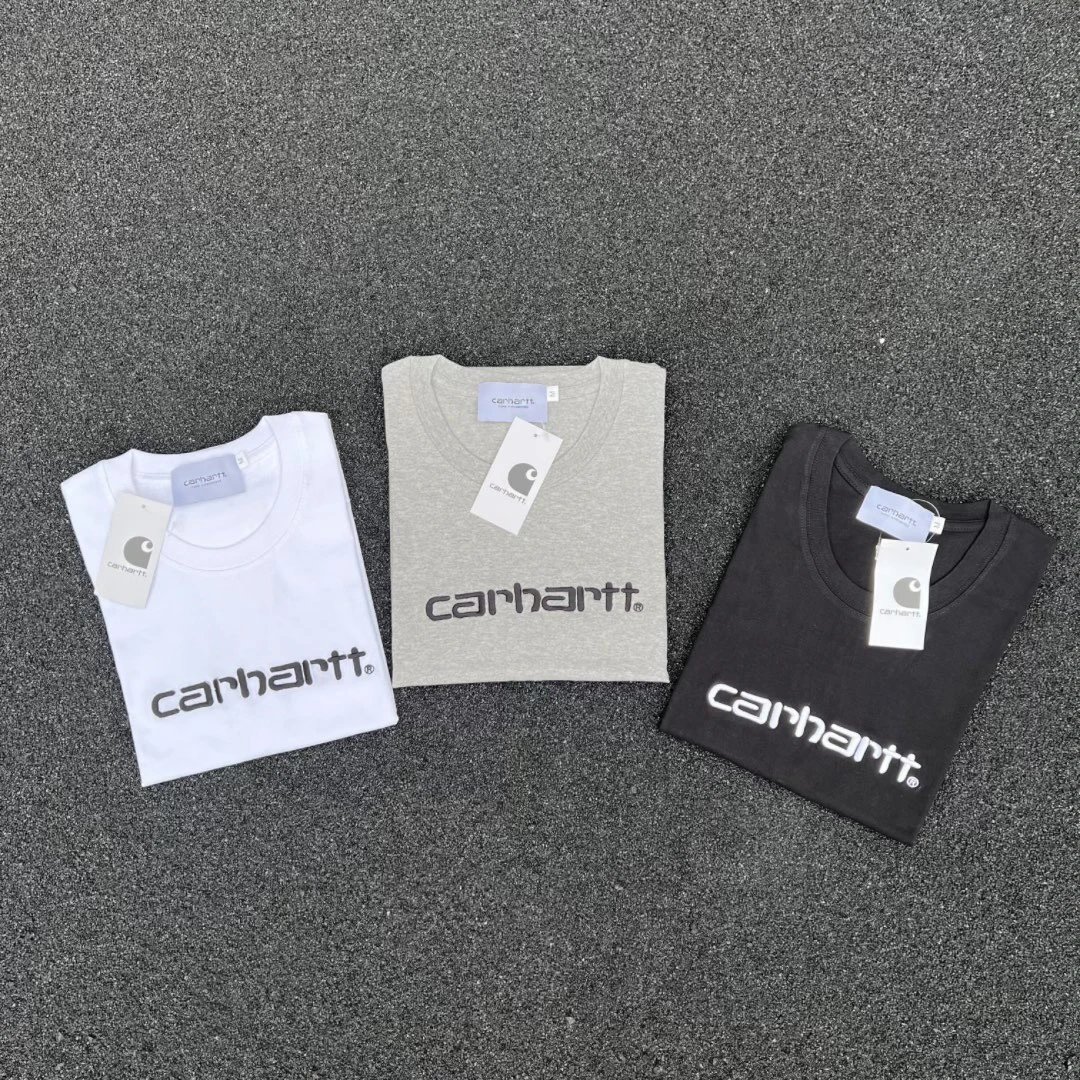
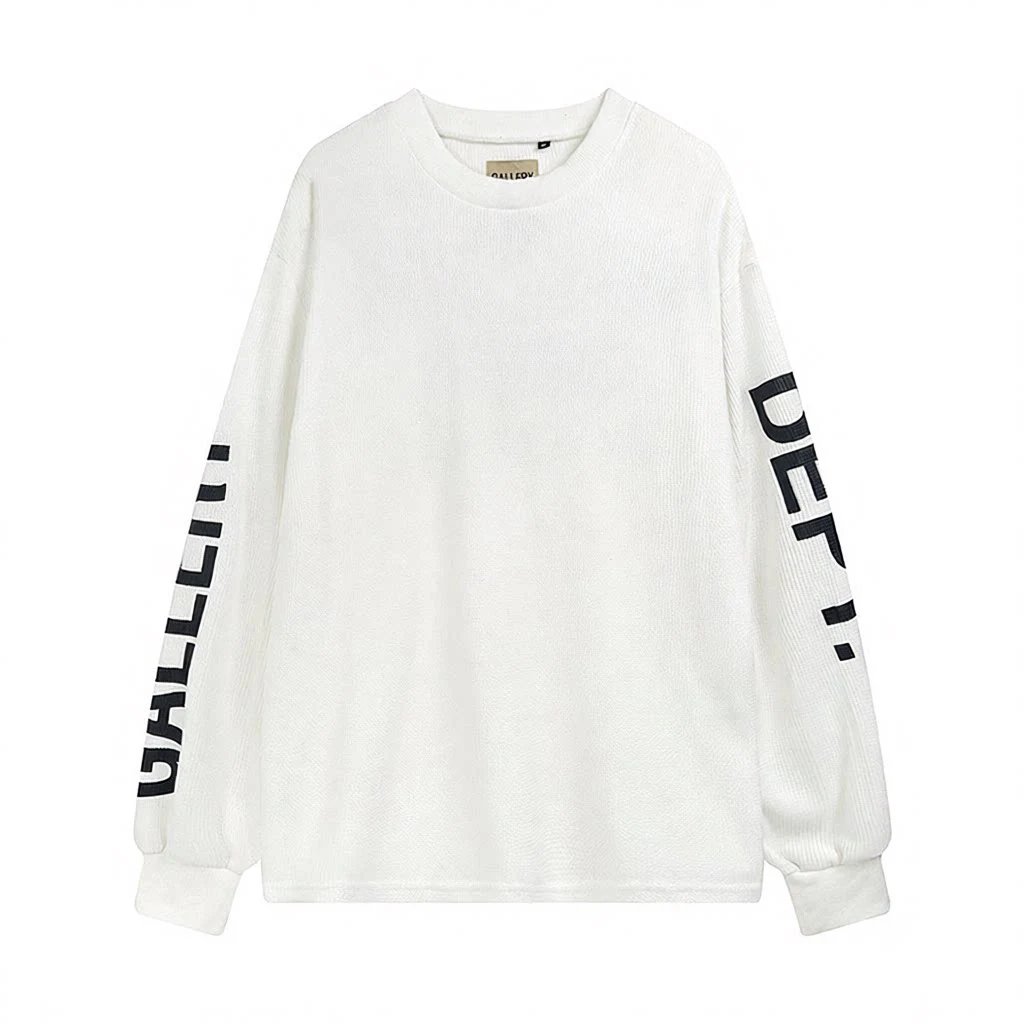
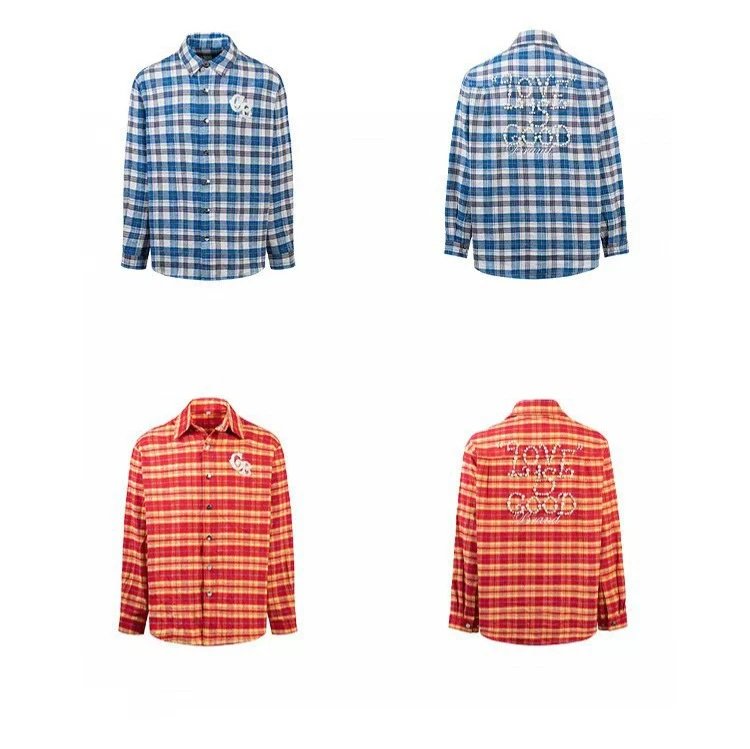
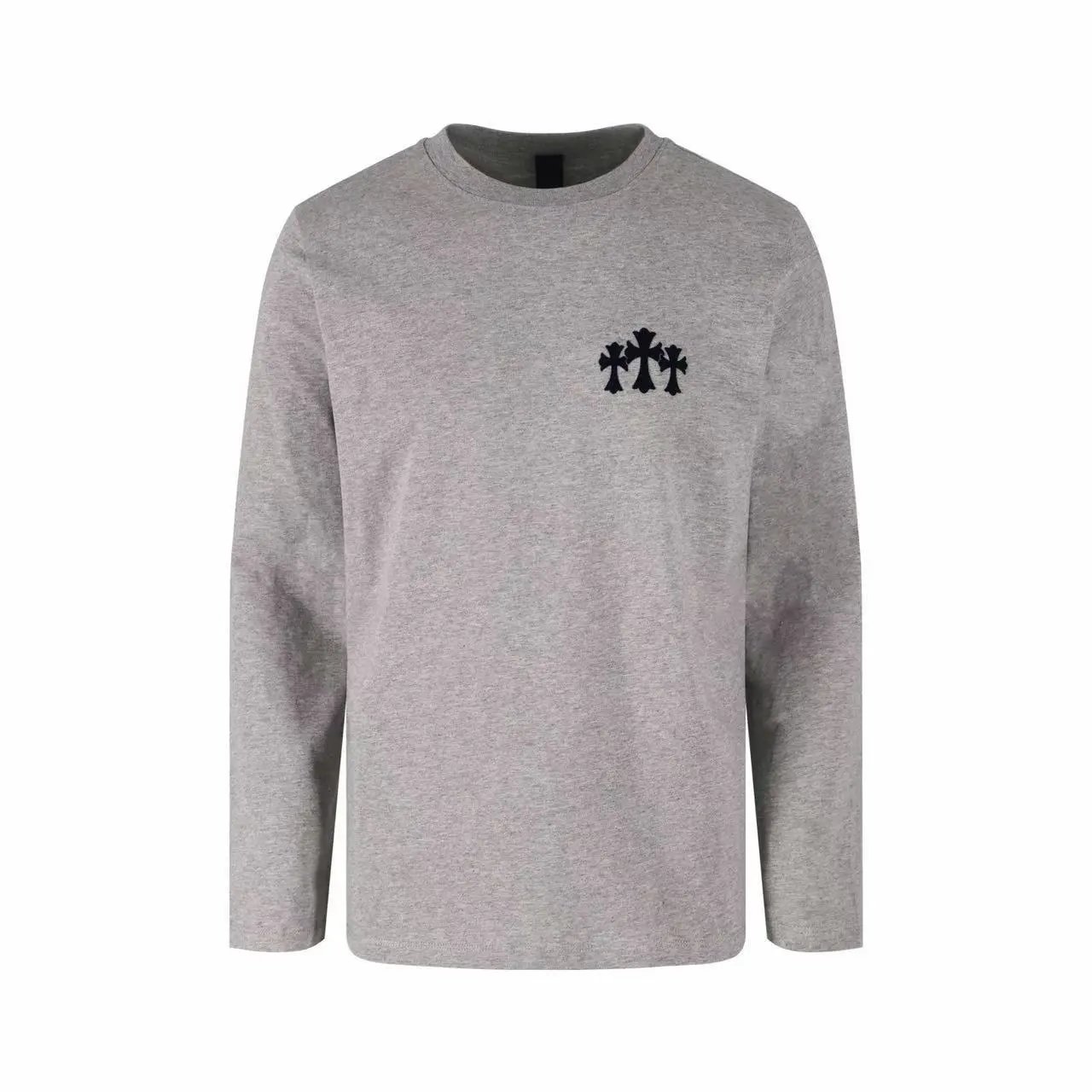
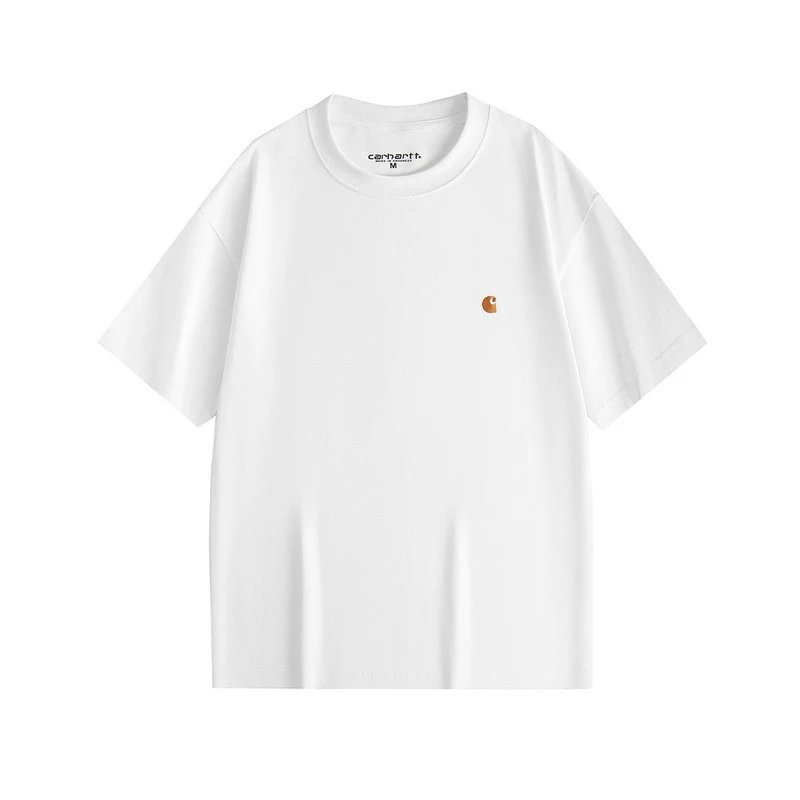
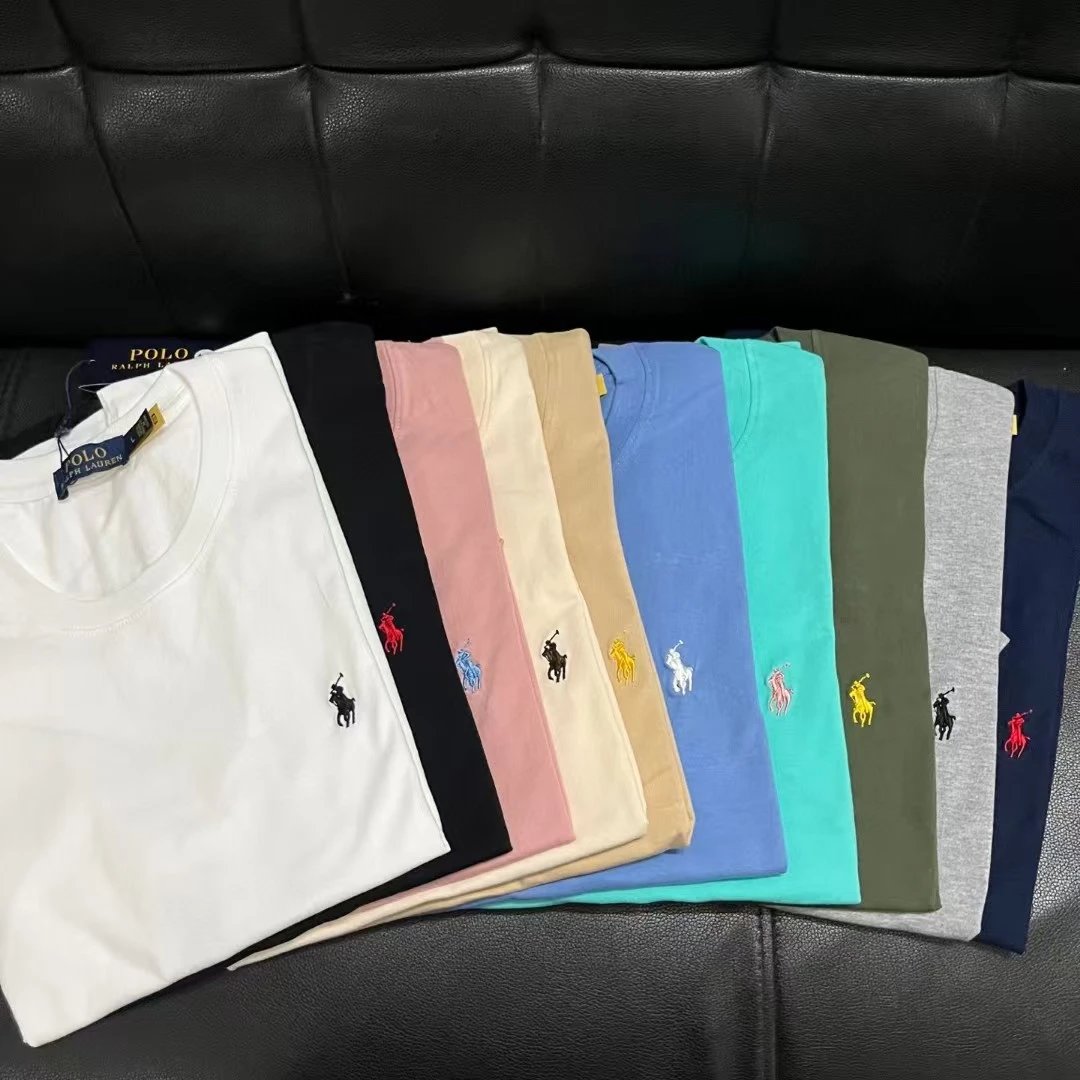
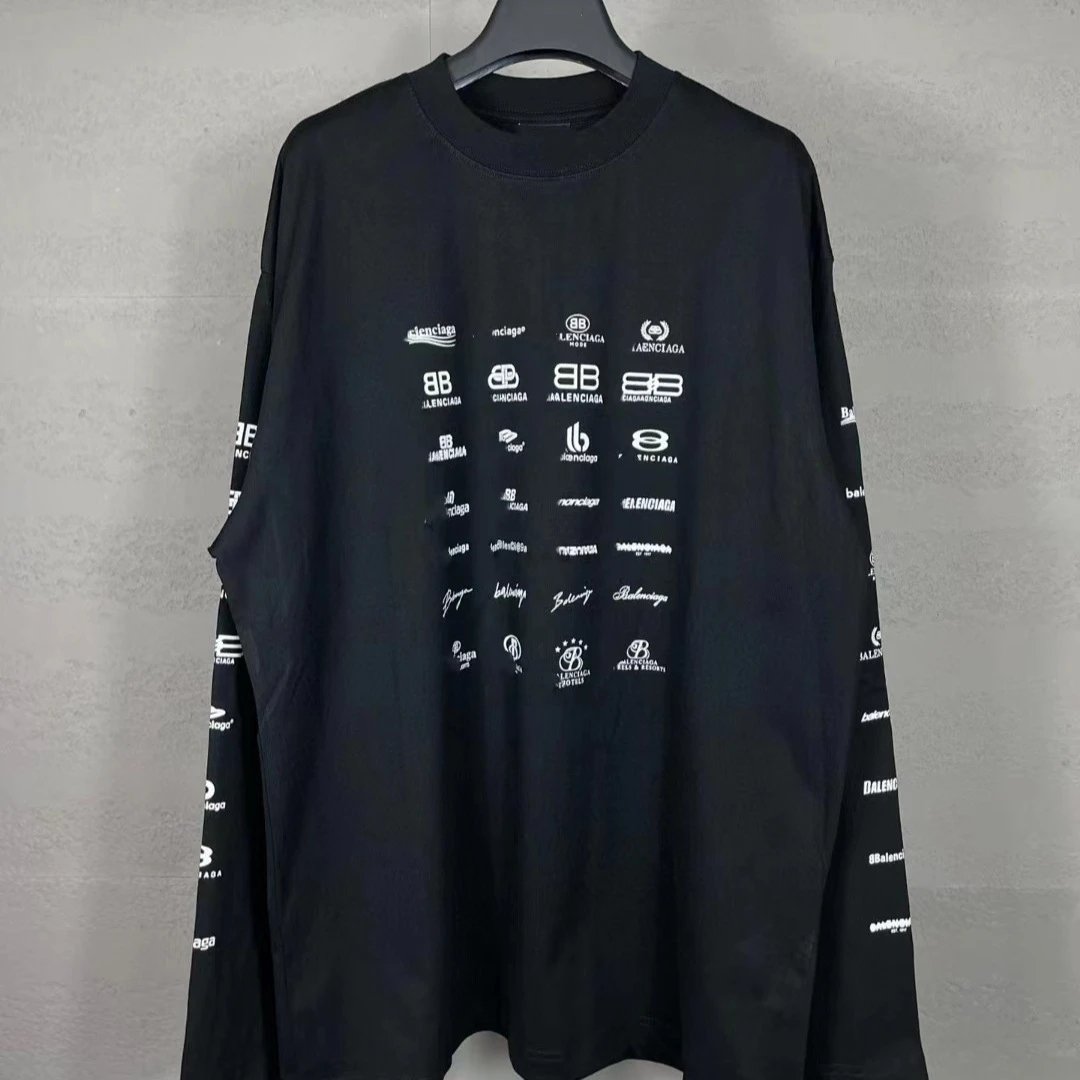
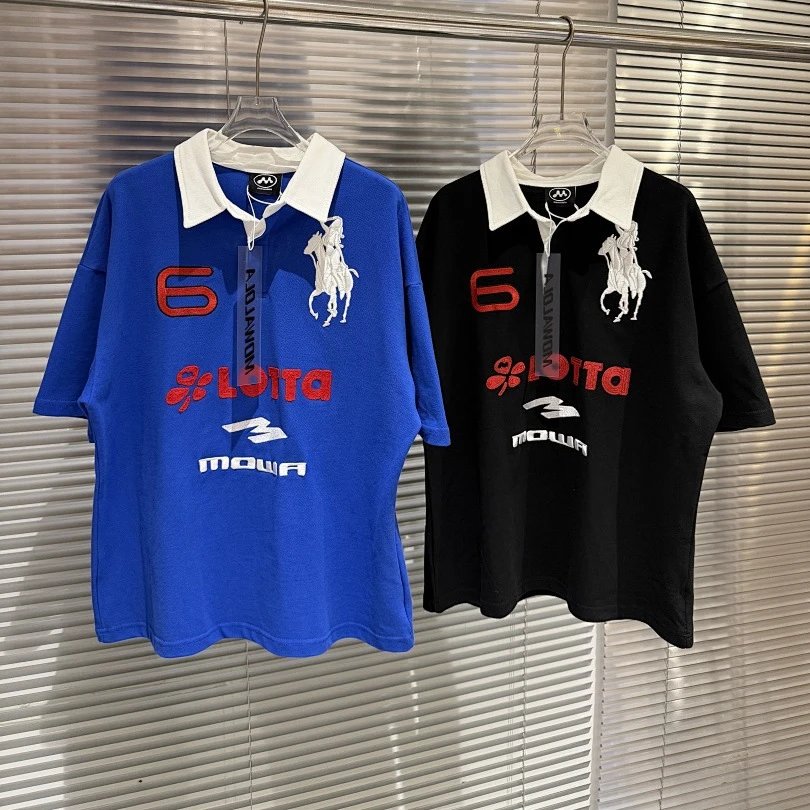
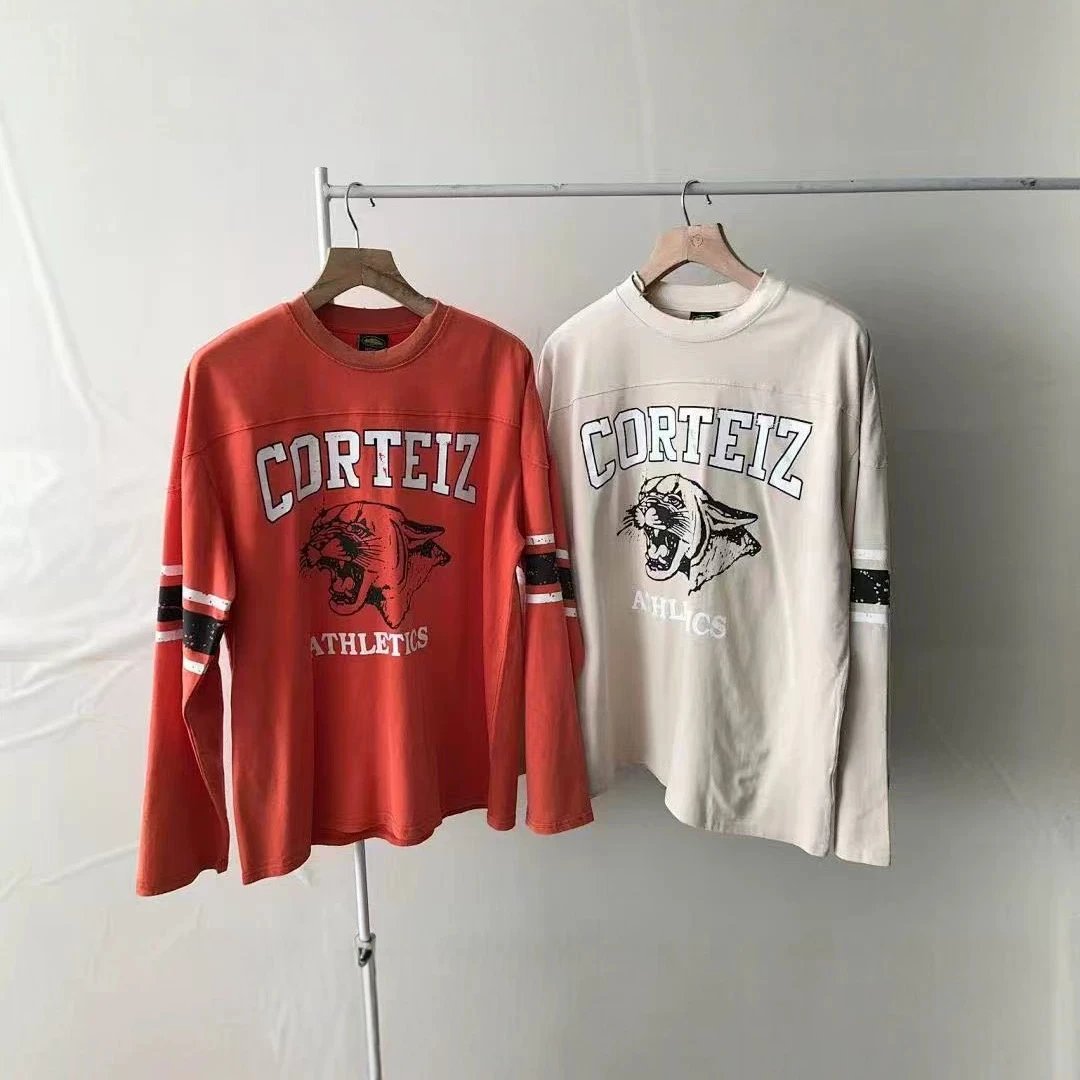
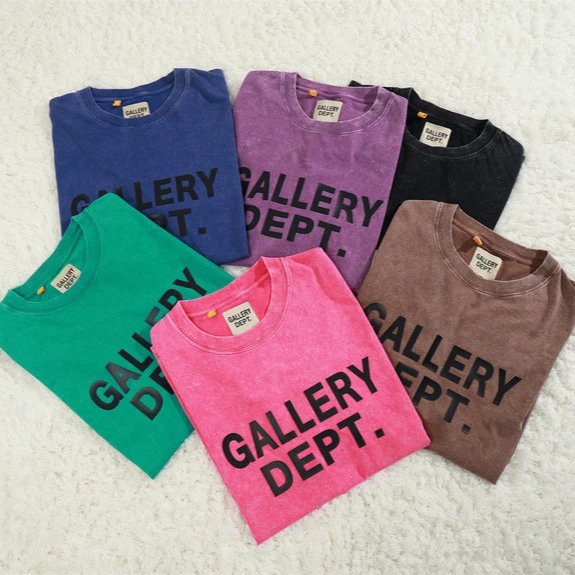
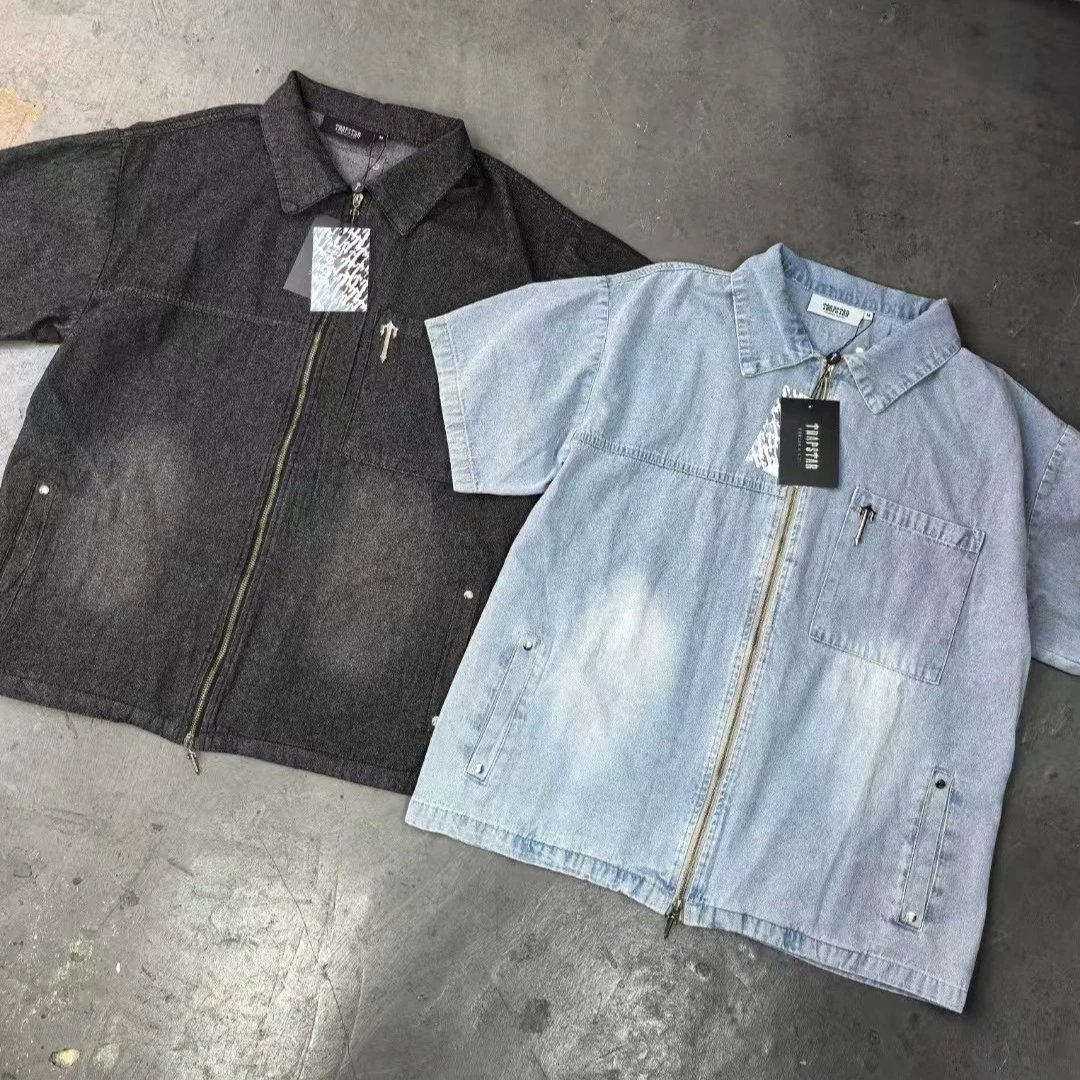
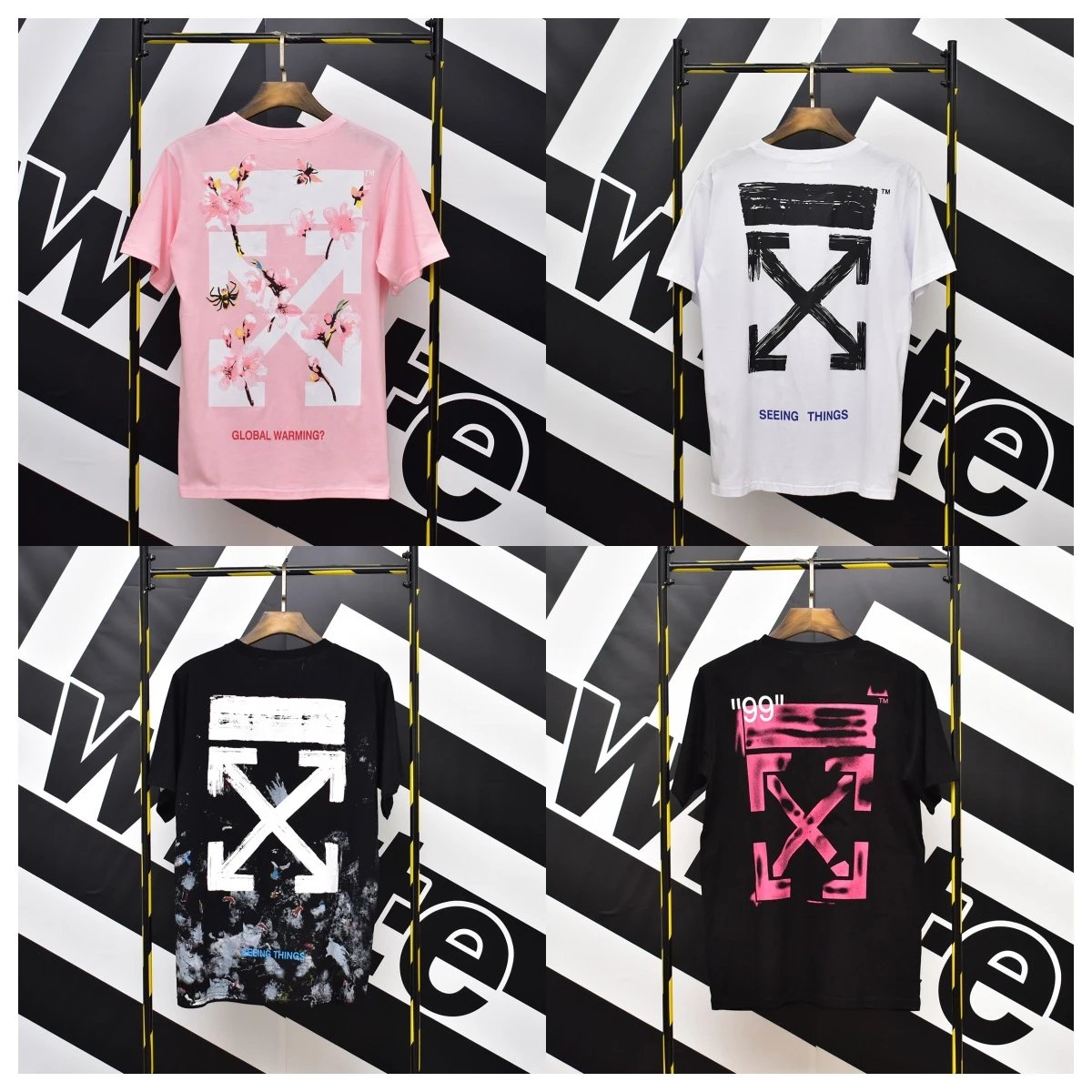
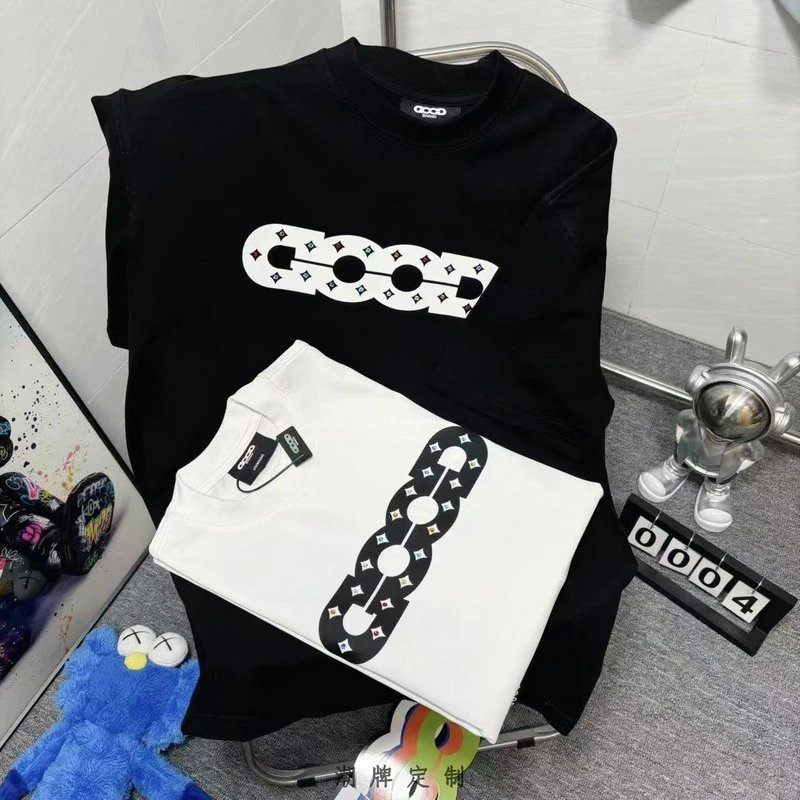
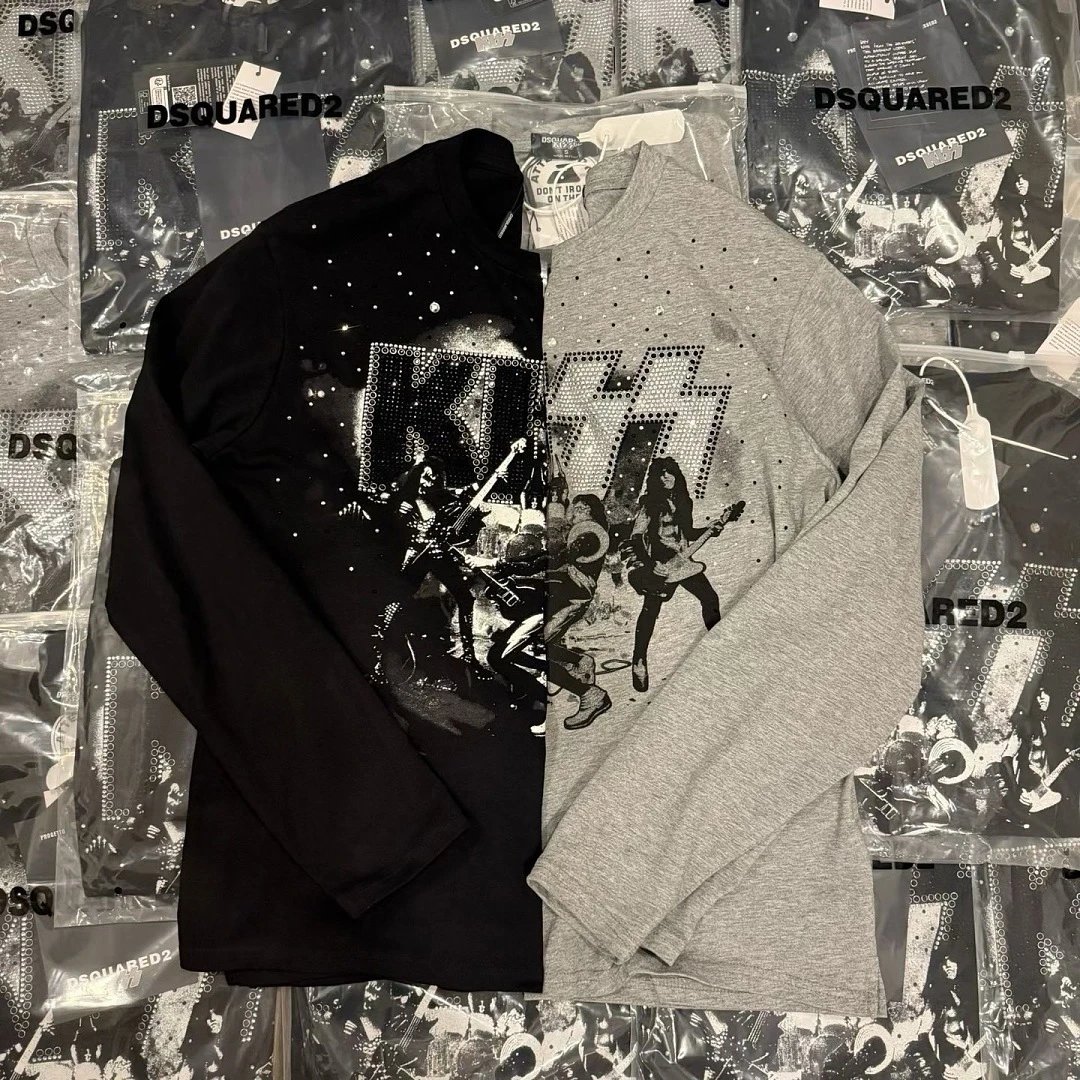
Prints are where QC earns its keep on a low-cost item. Ask your Litbuy QC note to shoot the front graphic square-on and check that the print is crisp, correctly centred, and not already cracking at the edges. On embroidered chest logos, watch stitch neatness and colour. Look at the collar too — a good ribbed collar springs back; a stretched or wavy one is a sign of a rougher batch.
Spotting a solid Weidian tee seller: they'll state the fabric weight, show real flat-lay or worn photos, and won't dodge a question about which version they carry. A store leaning only on stock images, or that can't tell you the cotton weight, is worth passing over for another listing of the same design.
Because tees are light and cheap, they're ideal to consolidate several into one Litbuy parcel to keep shipping proportionate to value. Colours, in-stock weights and pricing change between restocks, so treat the live listing and the seller's current reply as the truth rather than an older spreadsheet row, and don't settle for a thin shirt just because it's a couple of yuan less.

 50%OFF