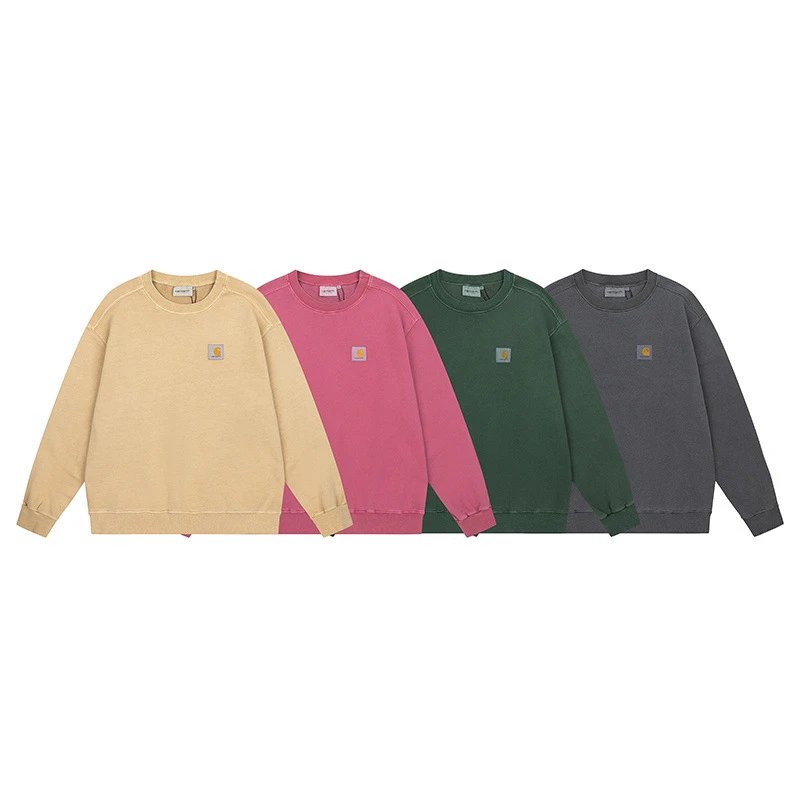
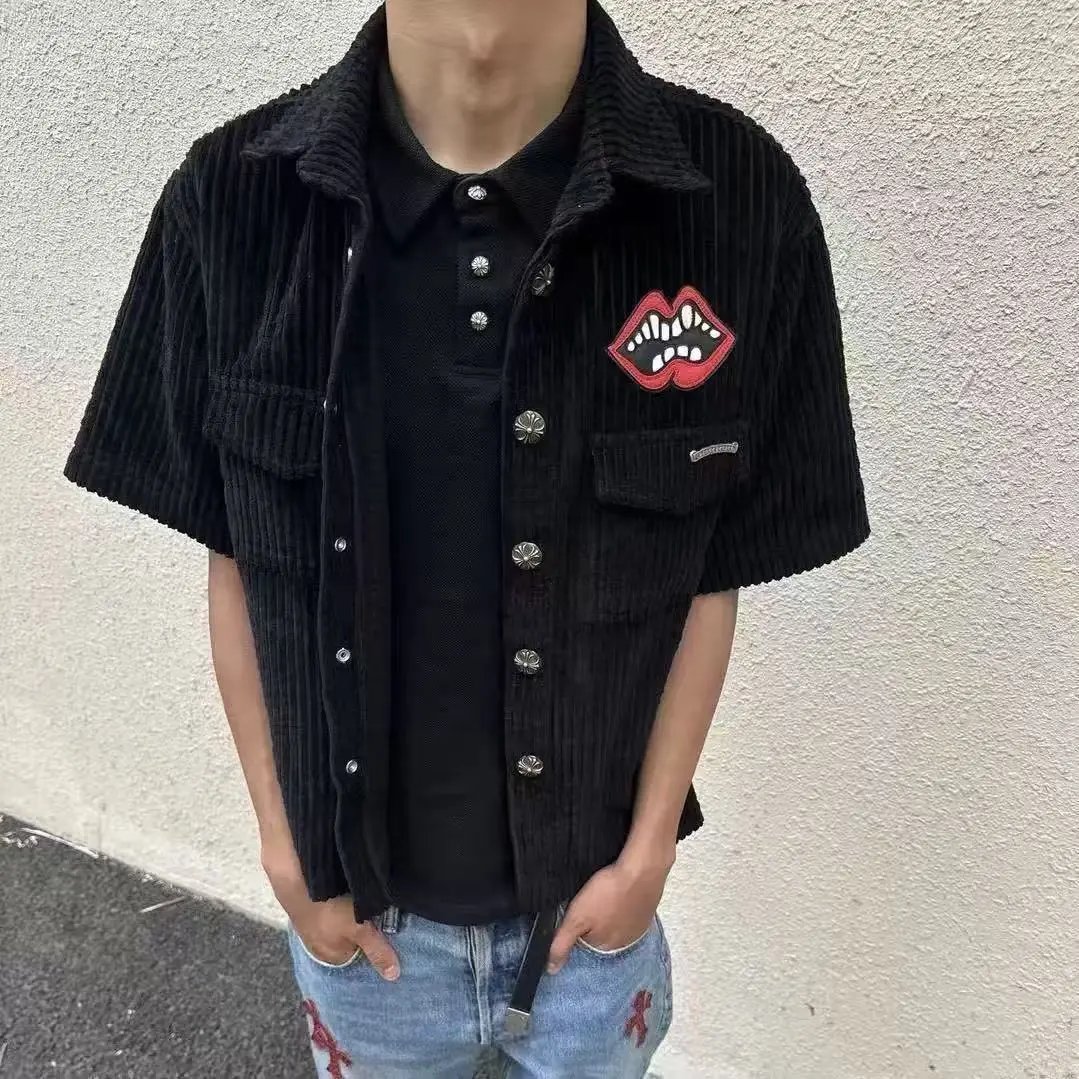
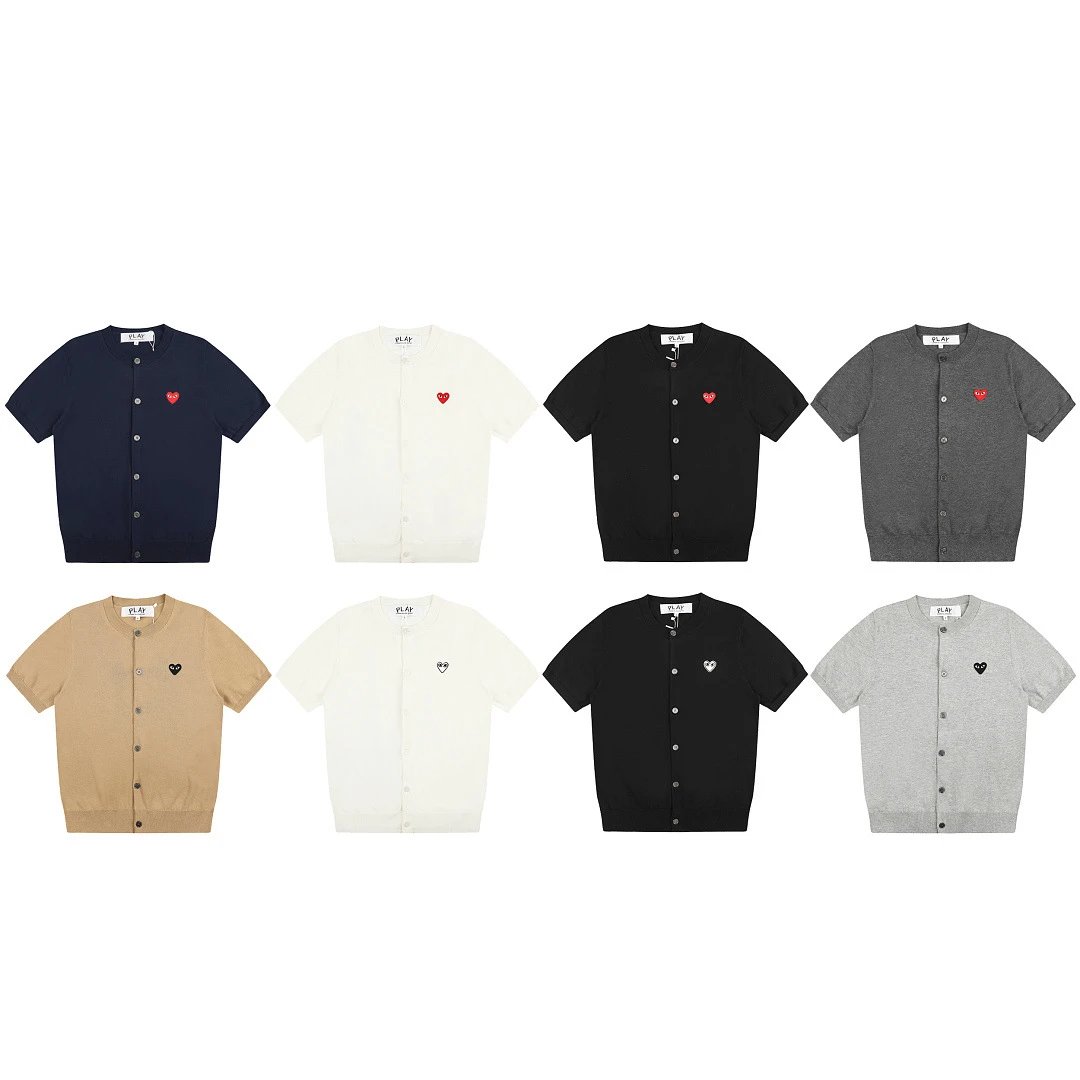
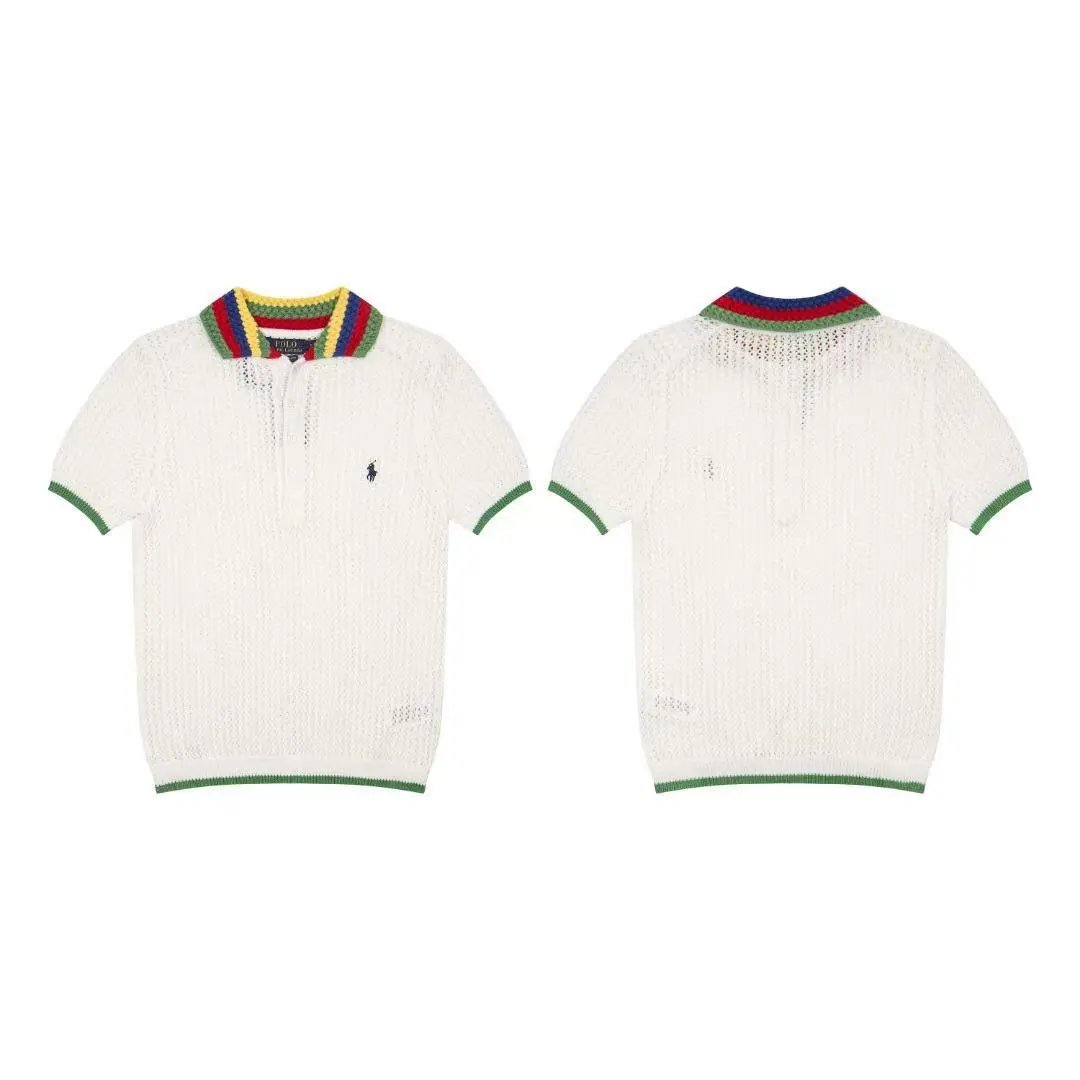
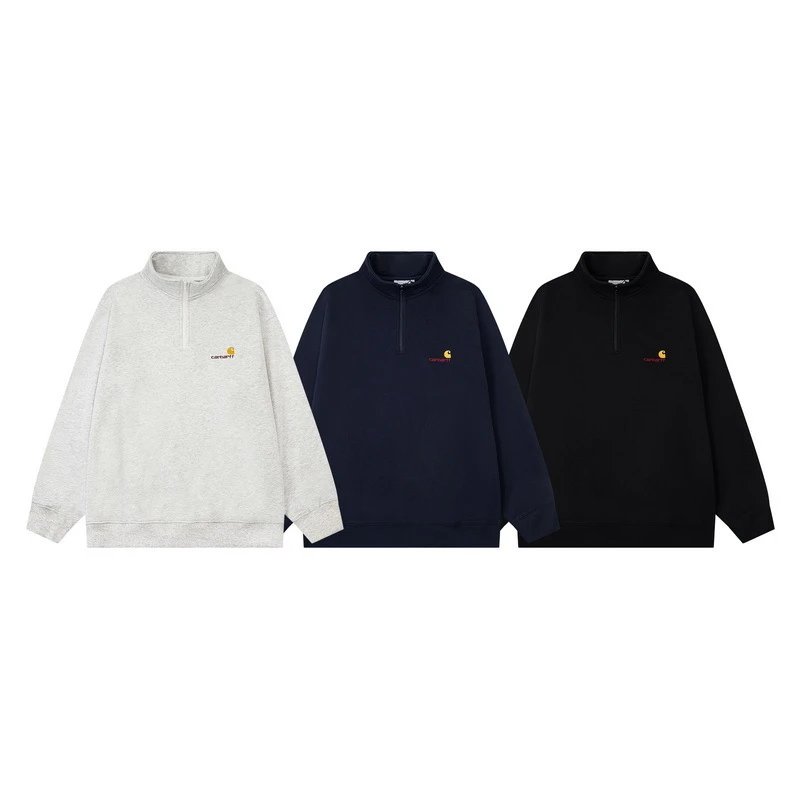
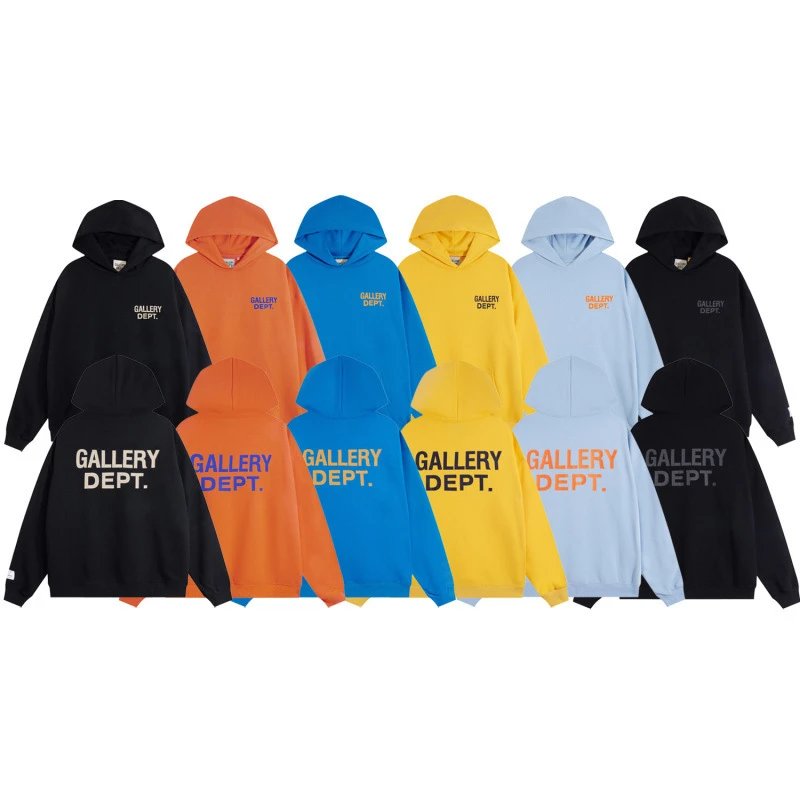
Hoodies & Sweaters on Litbuy: Weight, Print and Shrinkage
Quick answer: a hoodie or sweater lives or dies on fabric weight (GSM) and the accuracy of its print or embroidery — check both against the listing and QC photos before you're happy. These are the pieces buyers wear most, so small quality gaps get noticed daily.
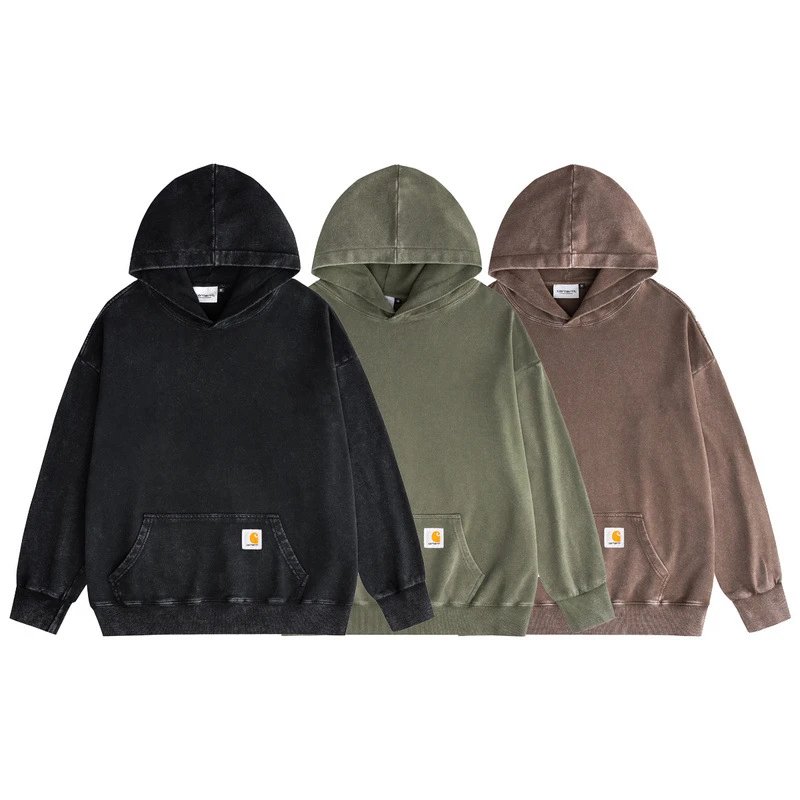
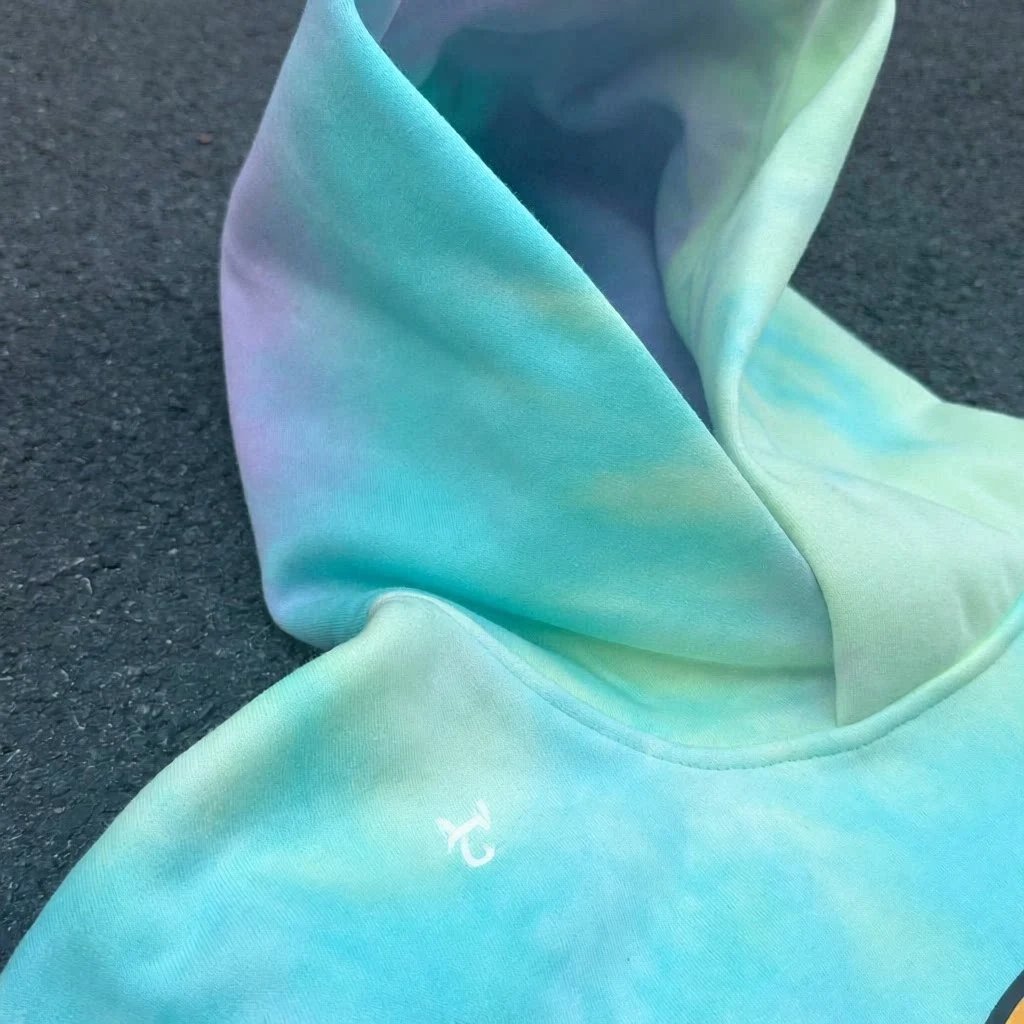
Fleece is the giveaway. A quality hoodie reads dense and structured; a thin one looks flat and hangs limp in QC shots. If a listing states a GSM or fleece type, use it; if it doesn't, ask the Weidian seller or judge from close-up interior photos where you can see how brushed and full the loopback or fleece is. Heavier French terry and brushed fleece feel and drape better and survive washing — that difference often maps to the batch and price gap you see across sellers on the spreadsheet.
Sizing on this category tends to run boxy but short in the body, and Chinese cuts vary a lot between drops. Always work from the measurement chart:
- Compare chest width and body length in centimetres to a hoodie you already own, laid flat.
- Factor in whether you layer — a slim sweater over a tee is fine; over a jacket lining, size up.
- Note that cotton-heavy pieces can shrink slightly on the first hot wash, so cold wash and hang dry to be safe.
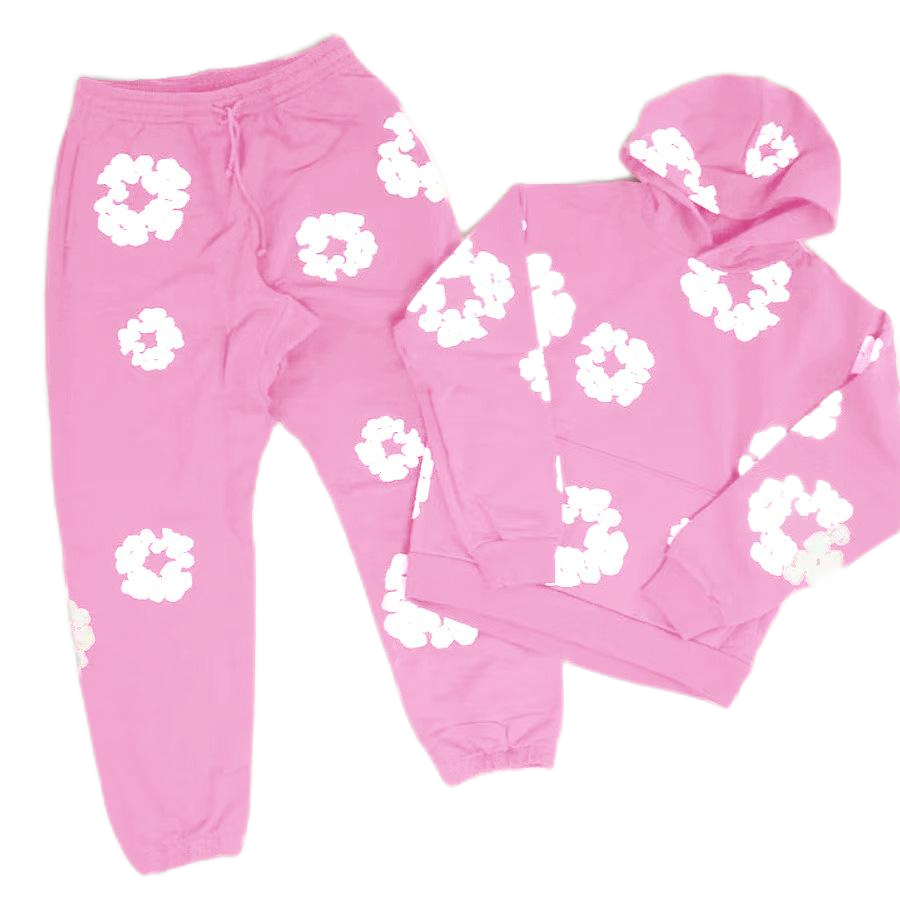
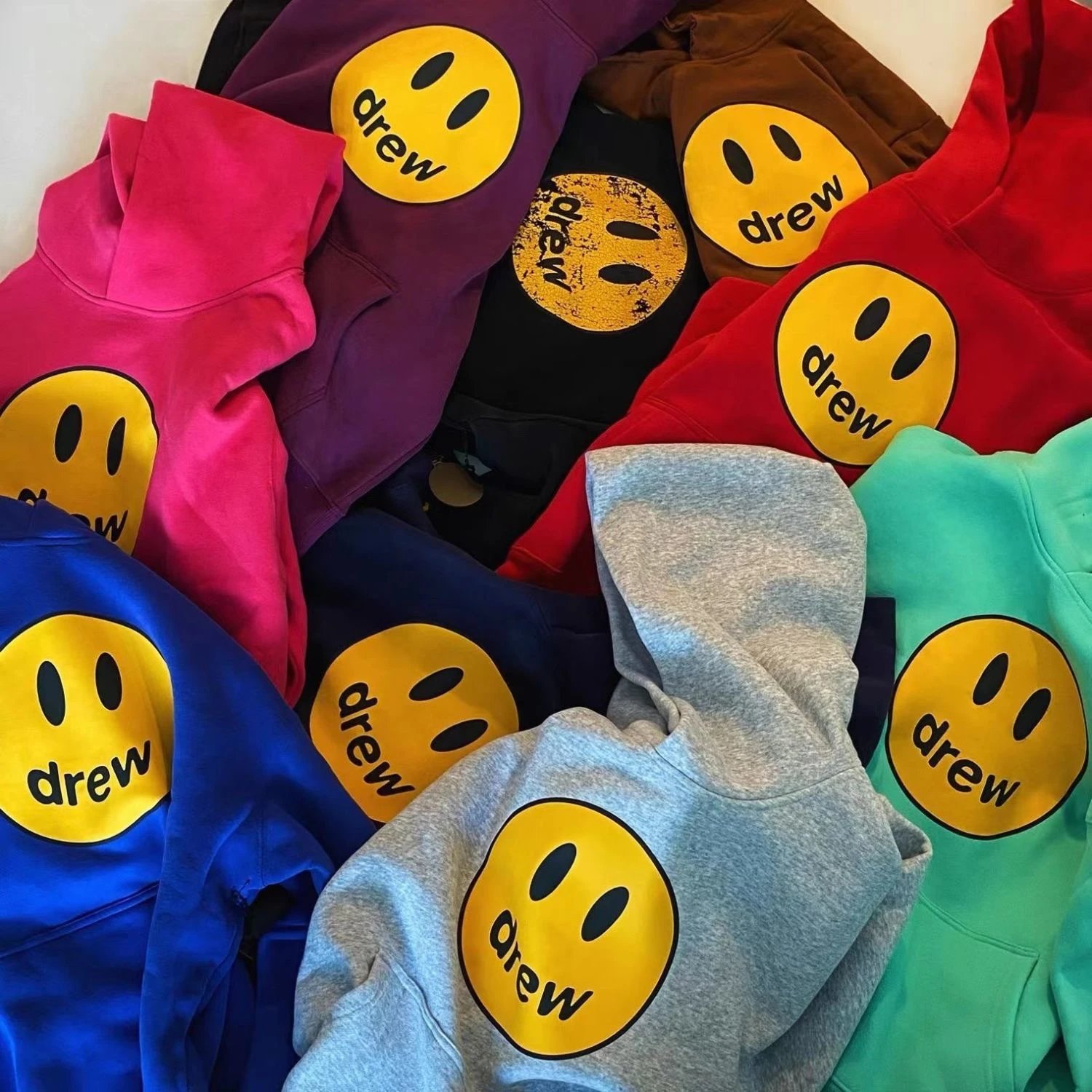
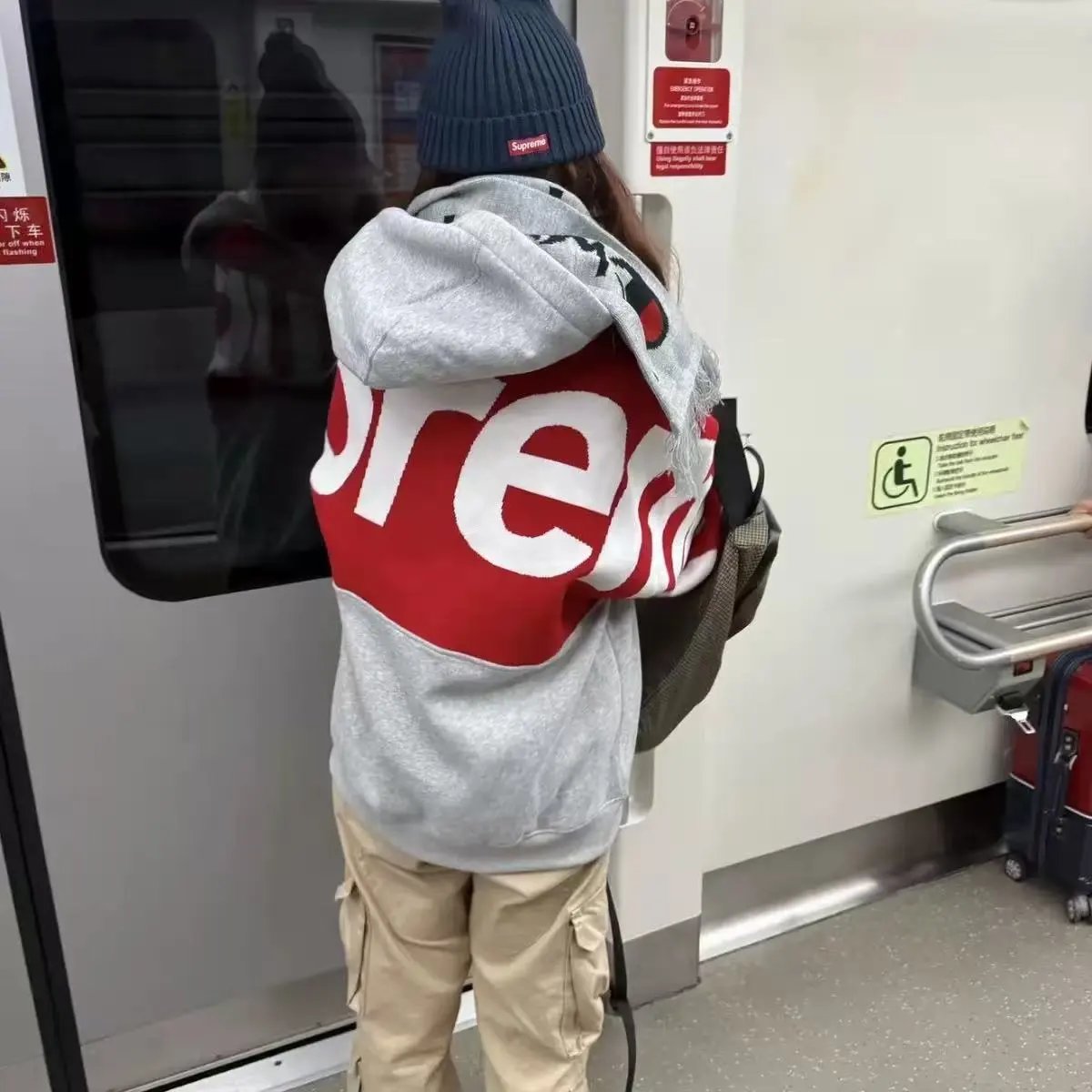
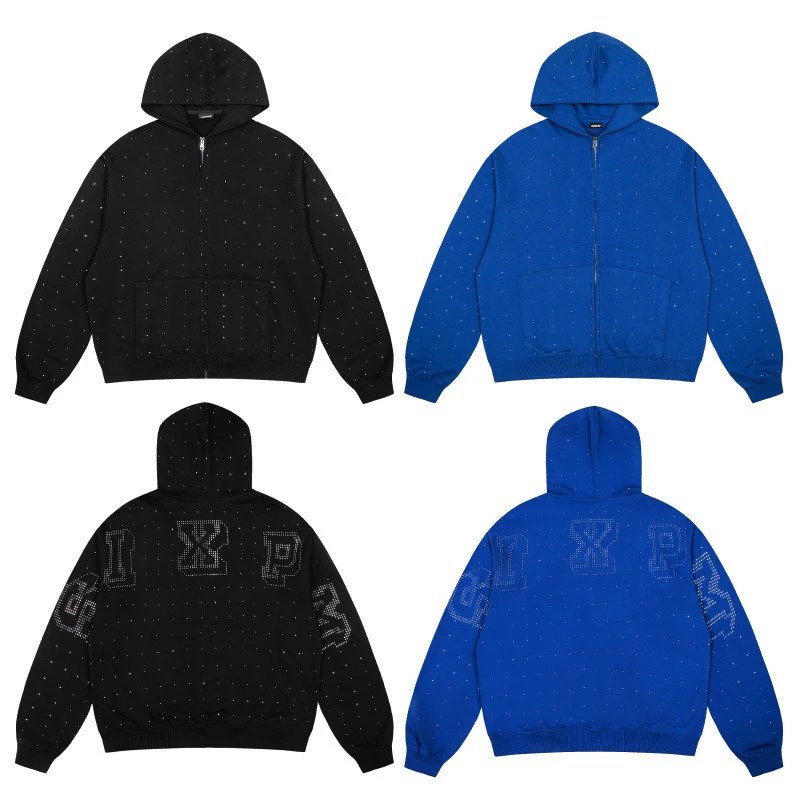
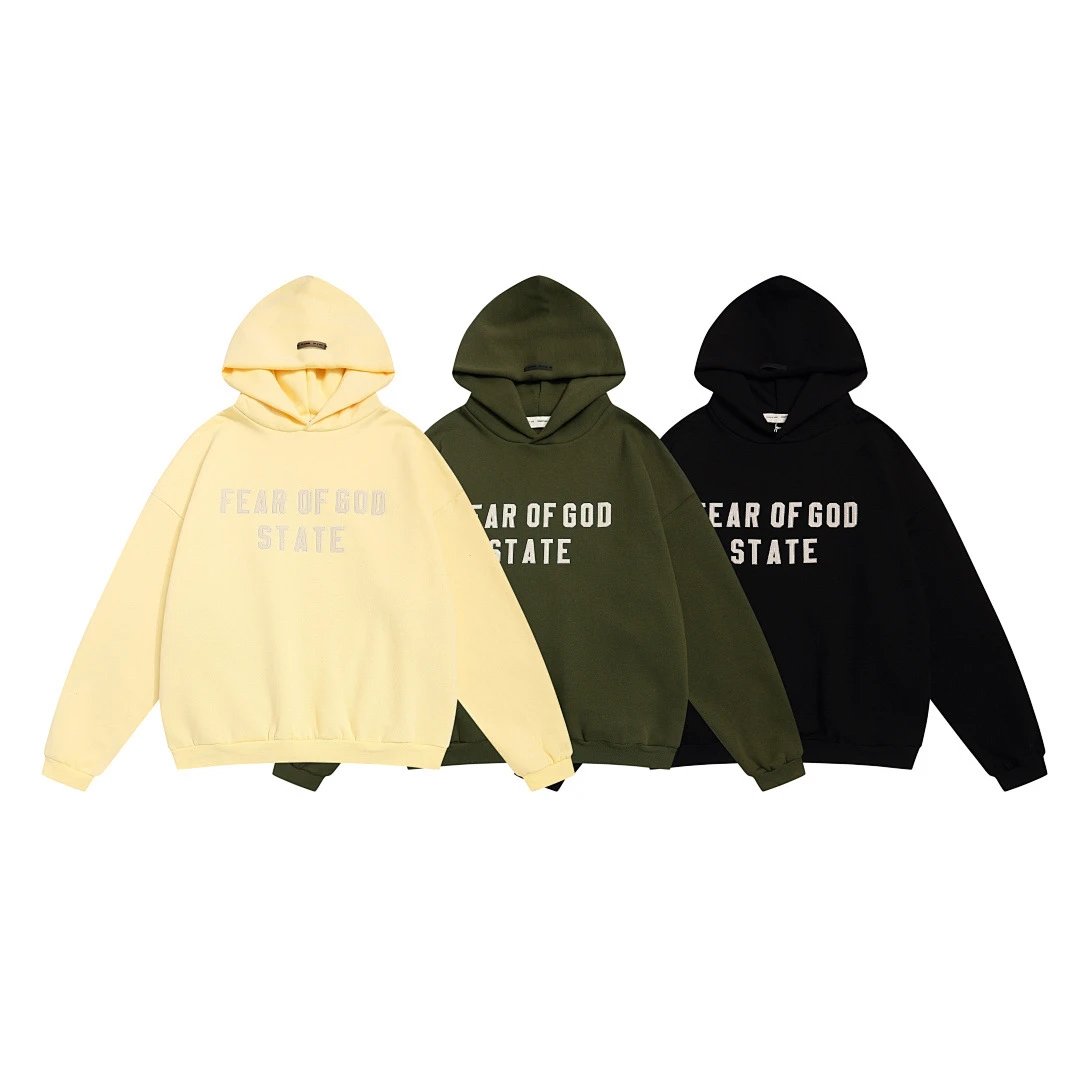
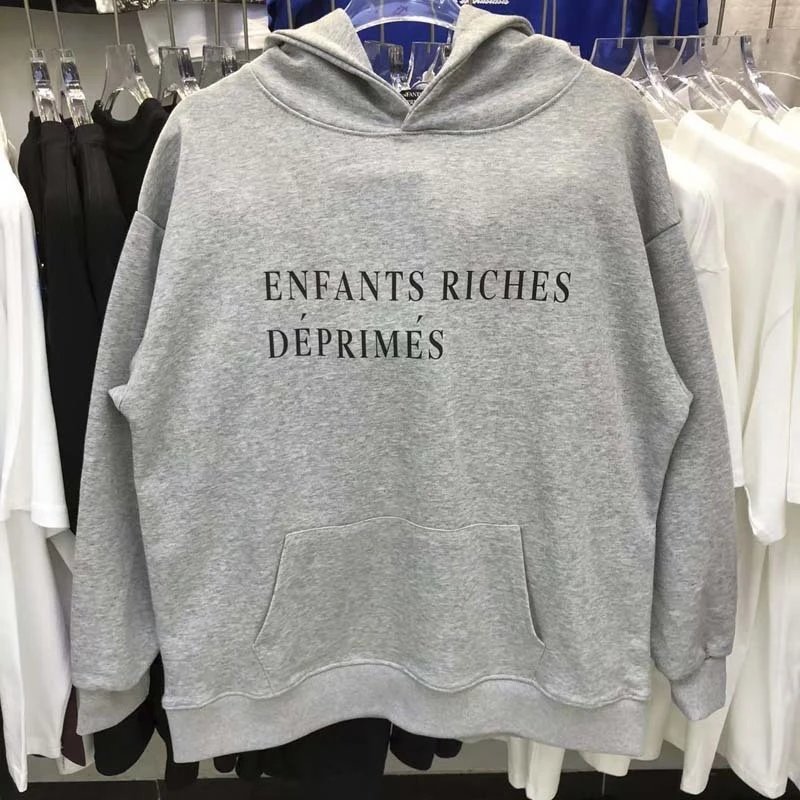
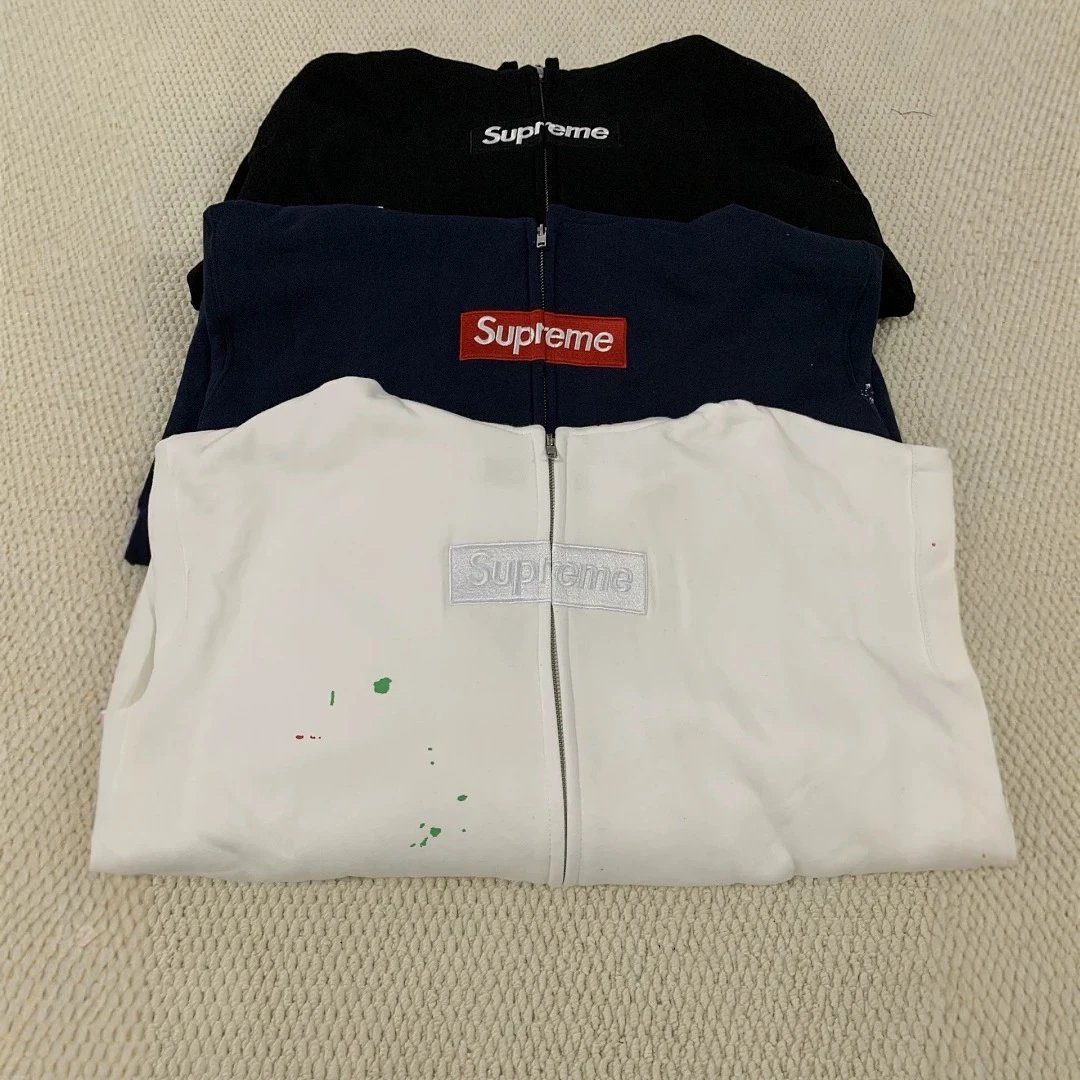
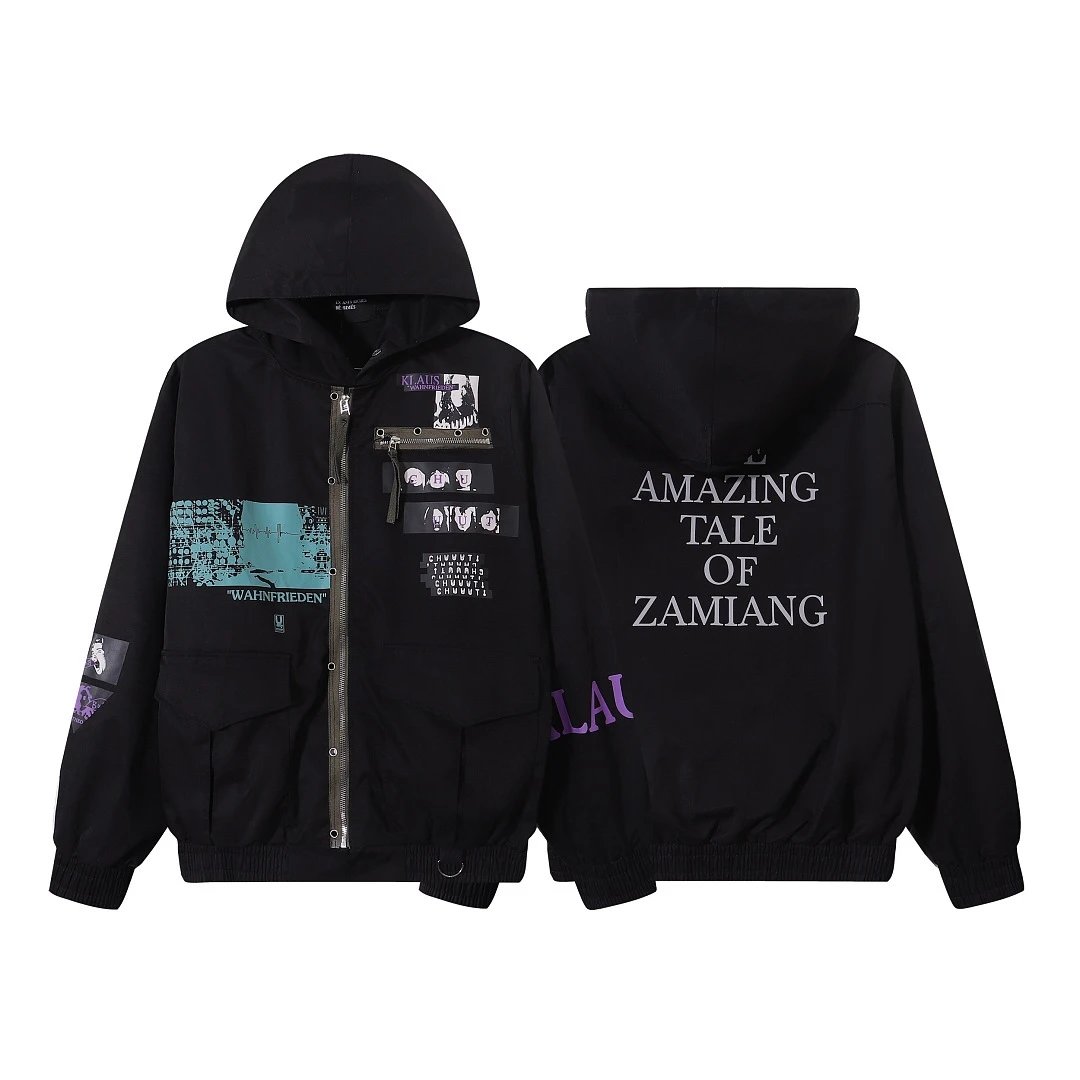
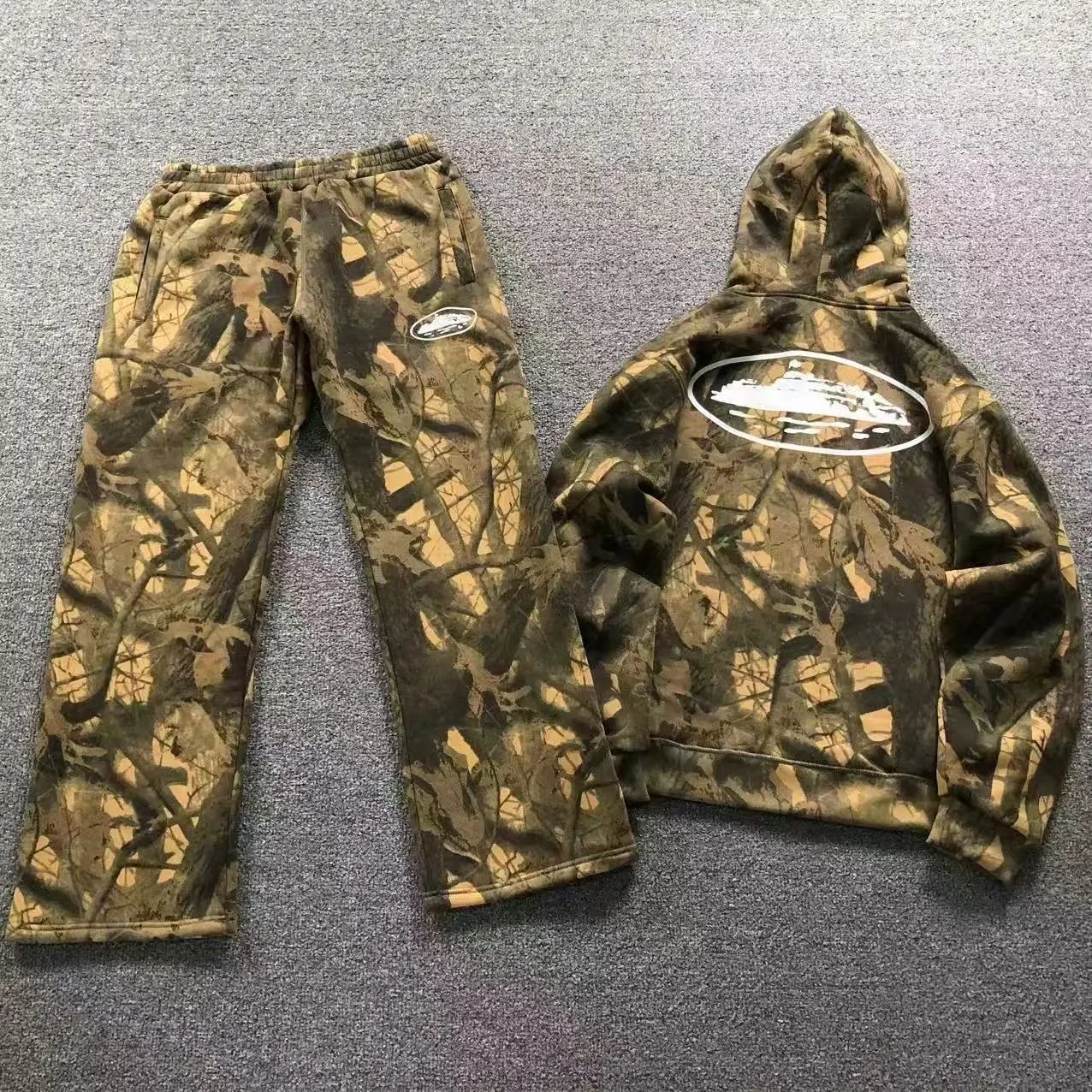
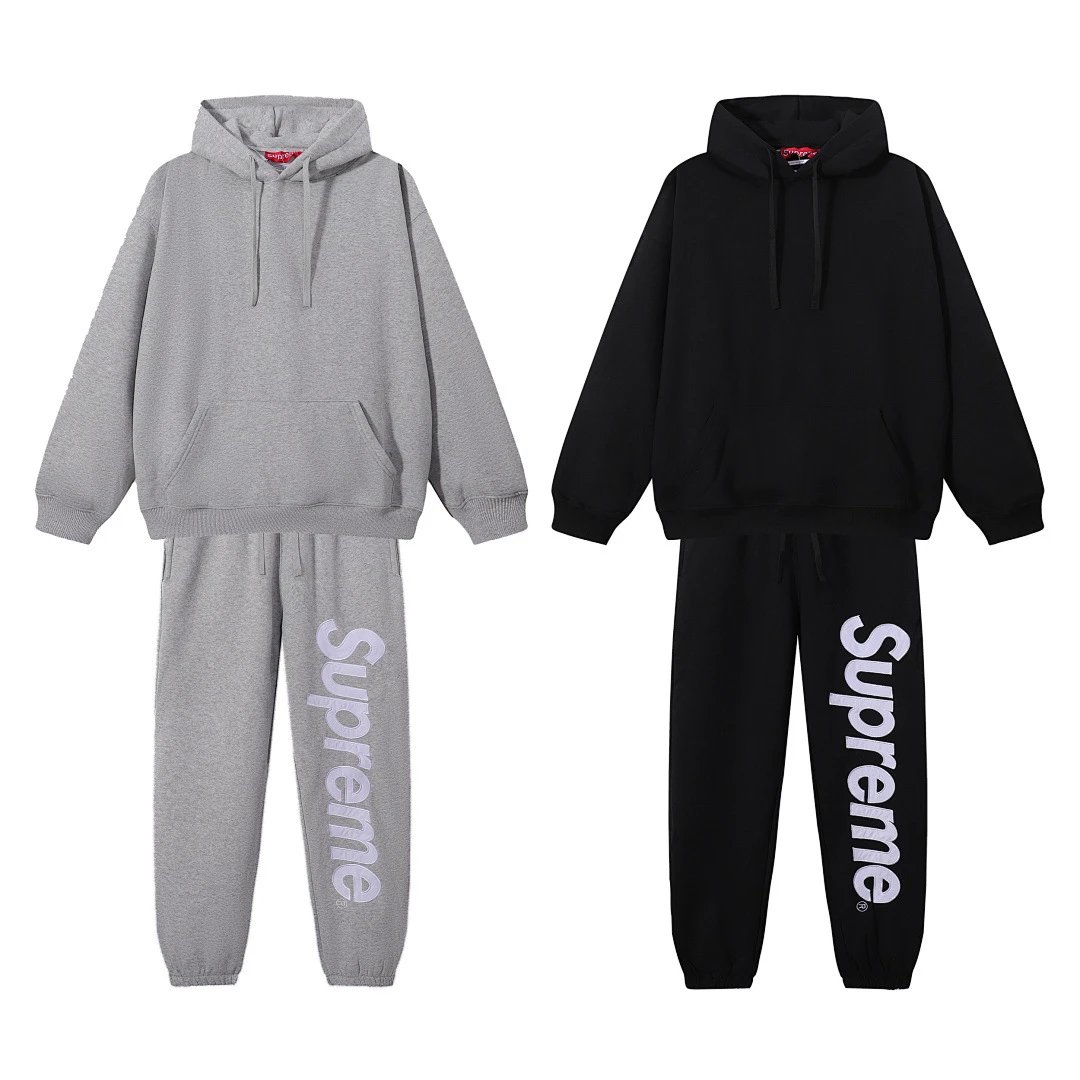
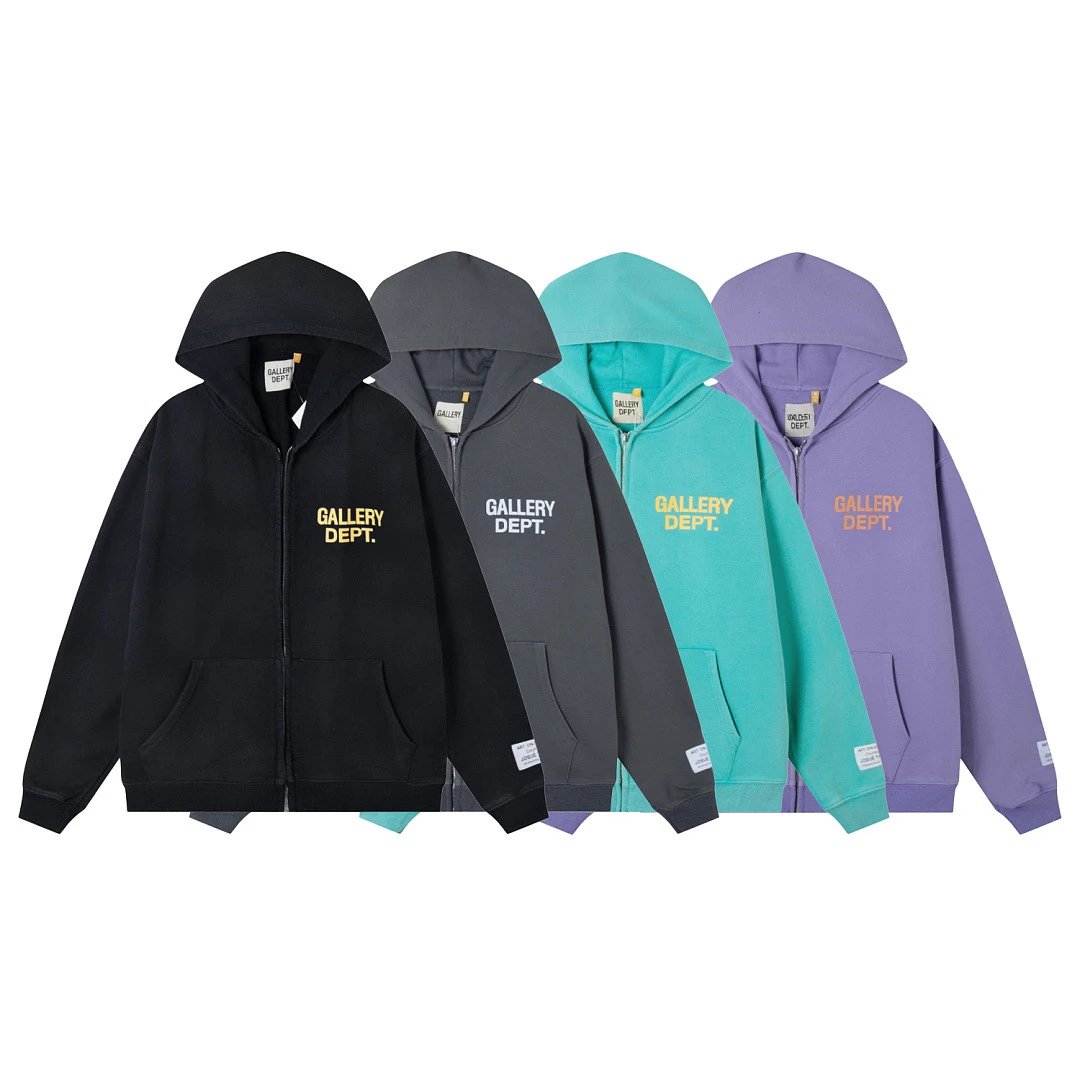
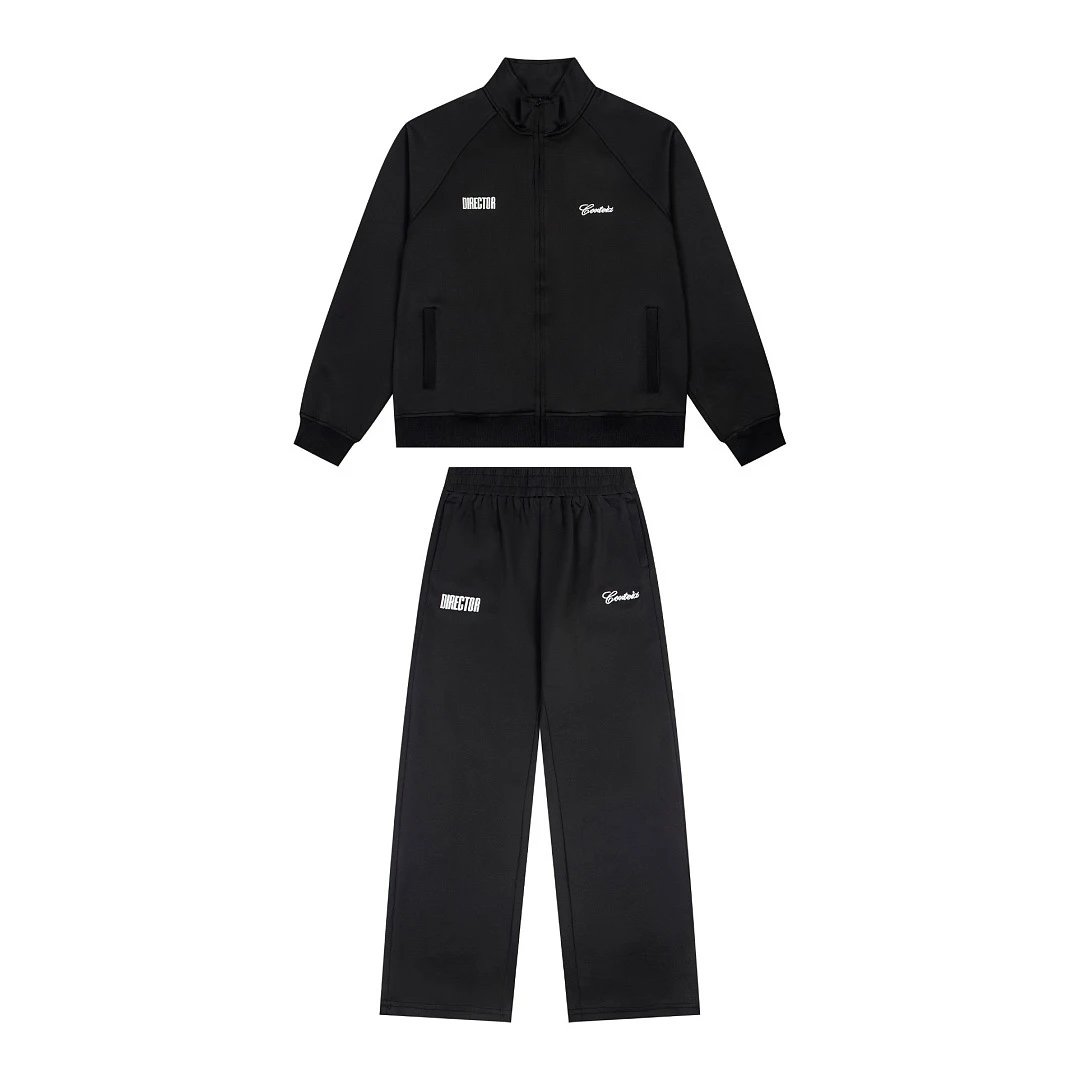
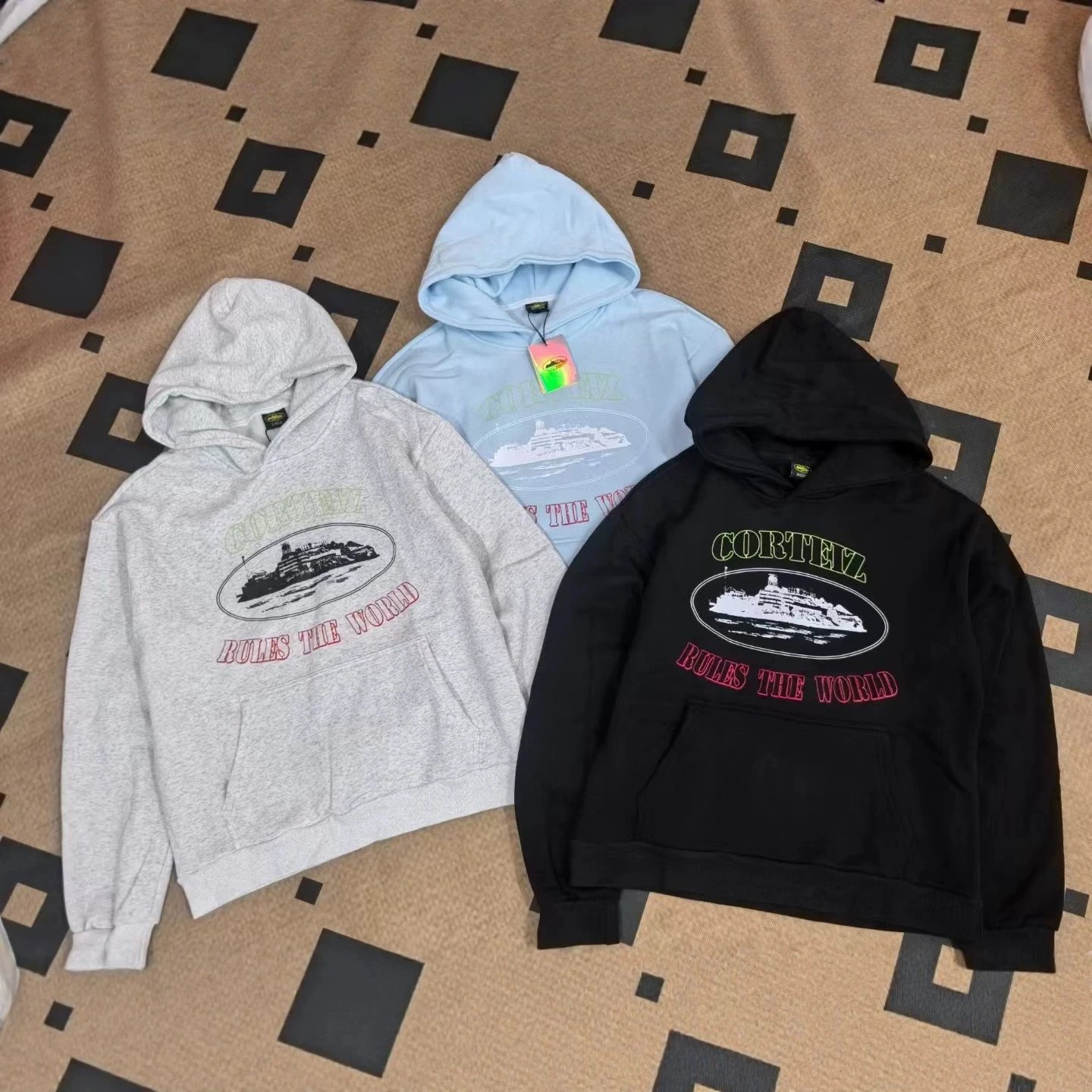
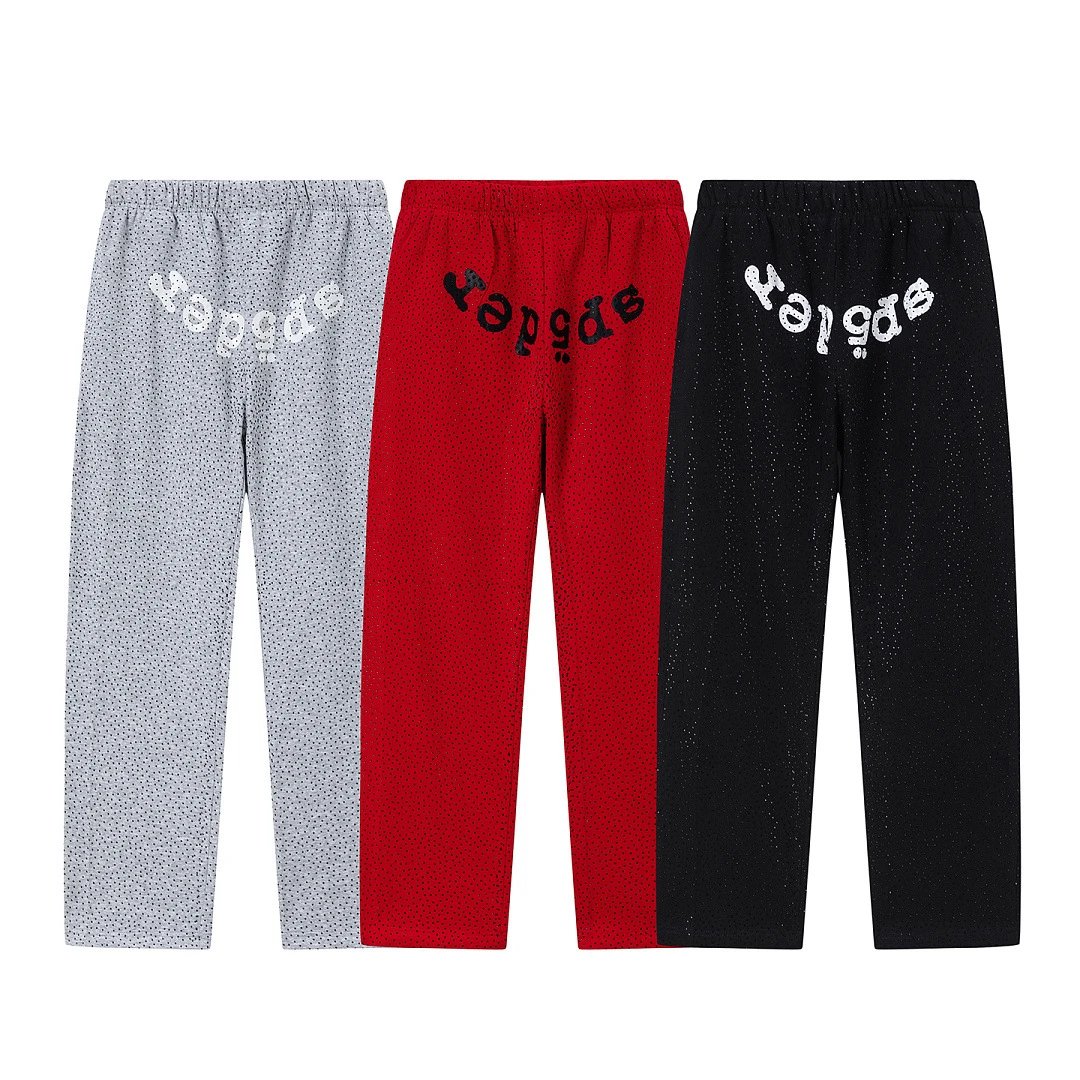
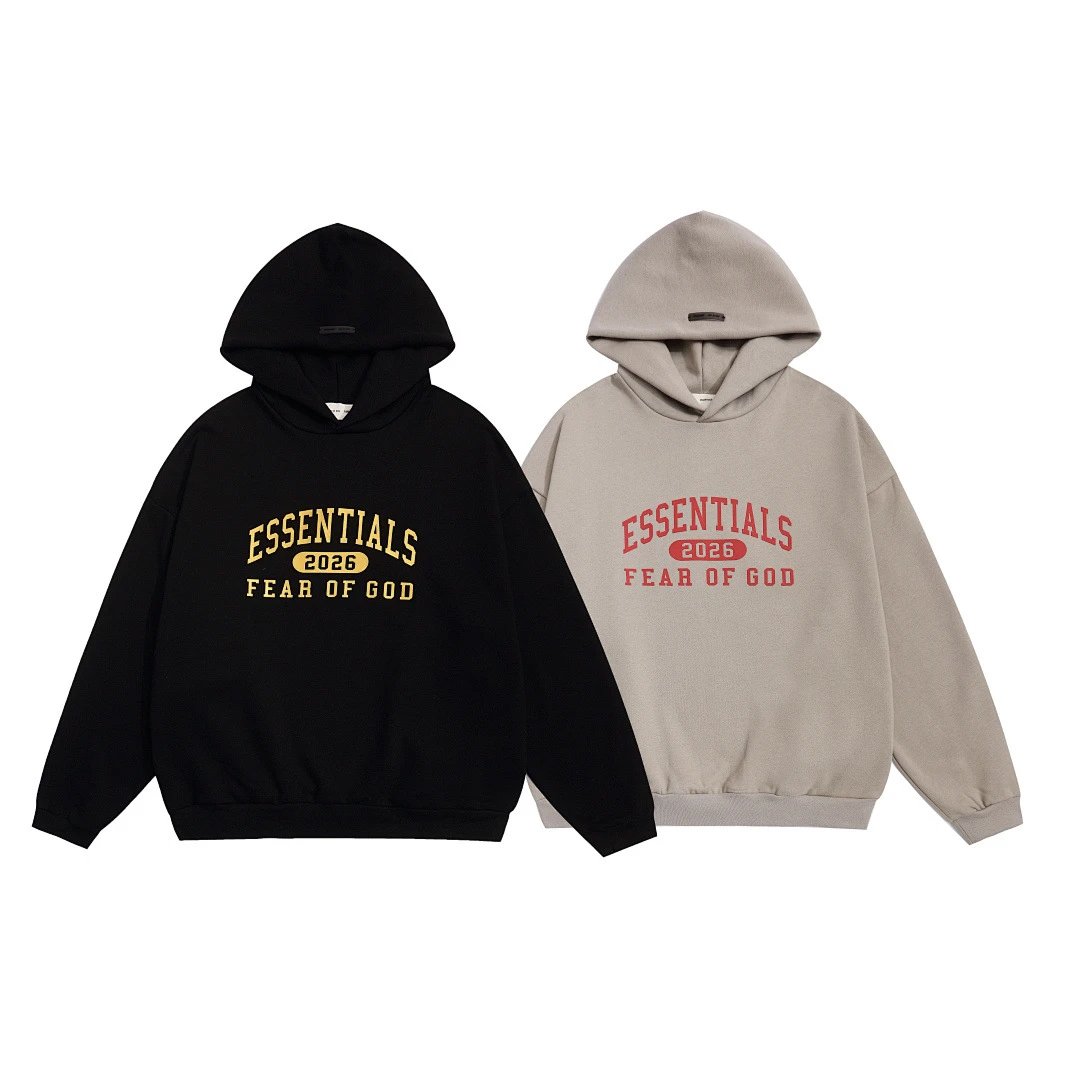
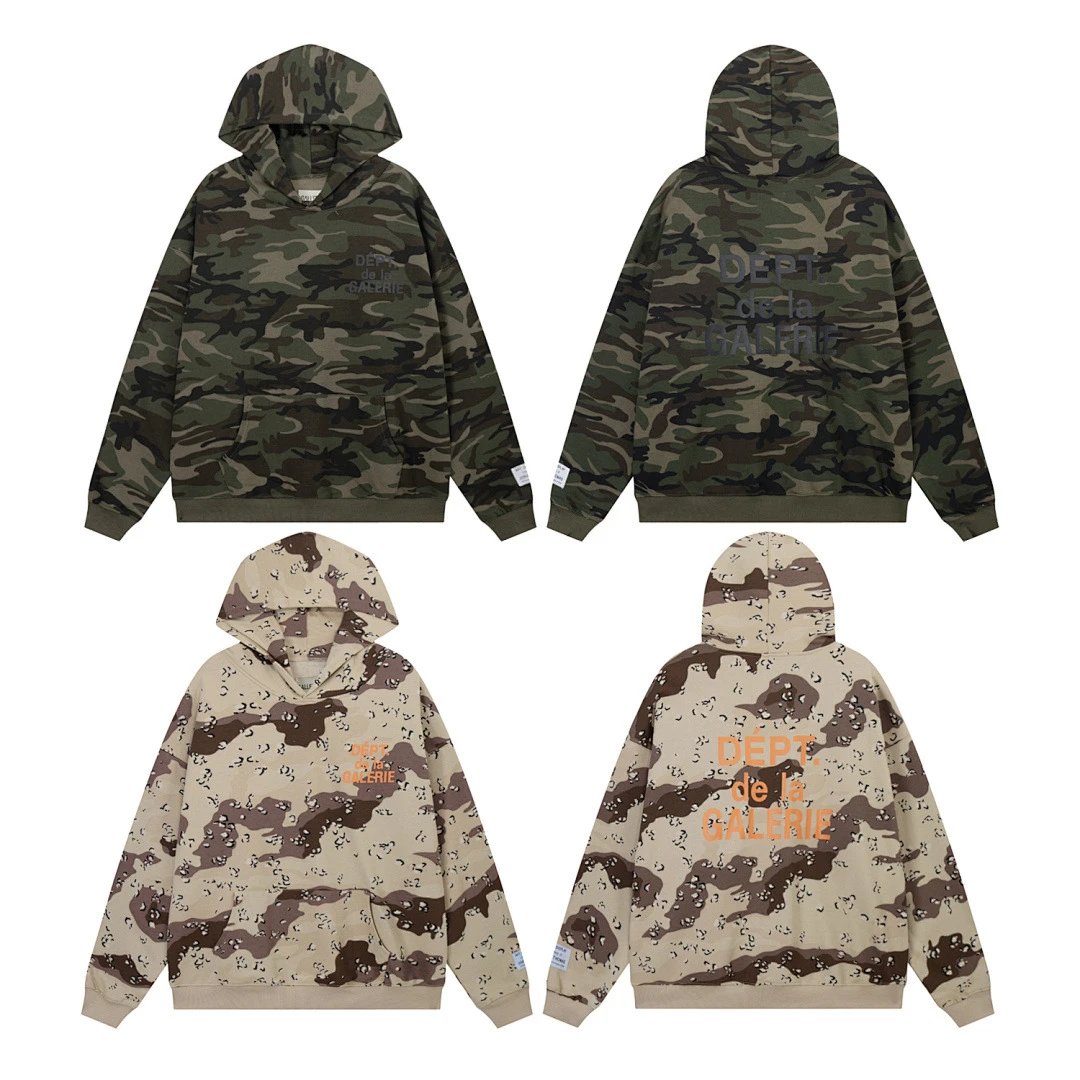
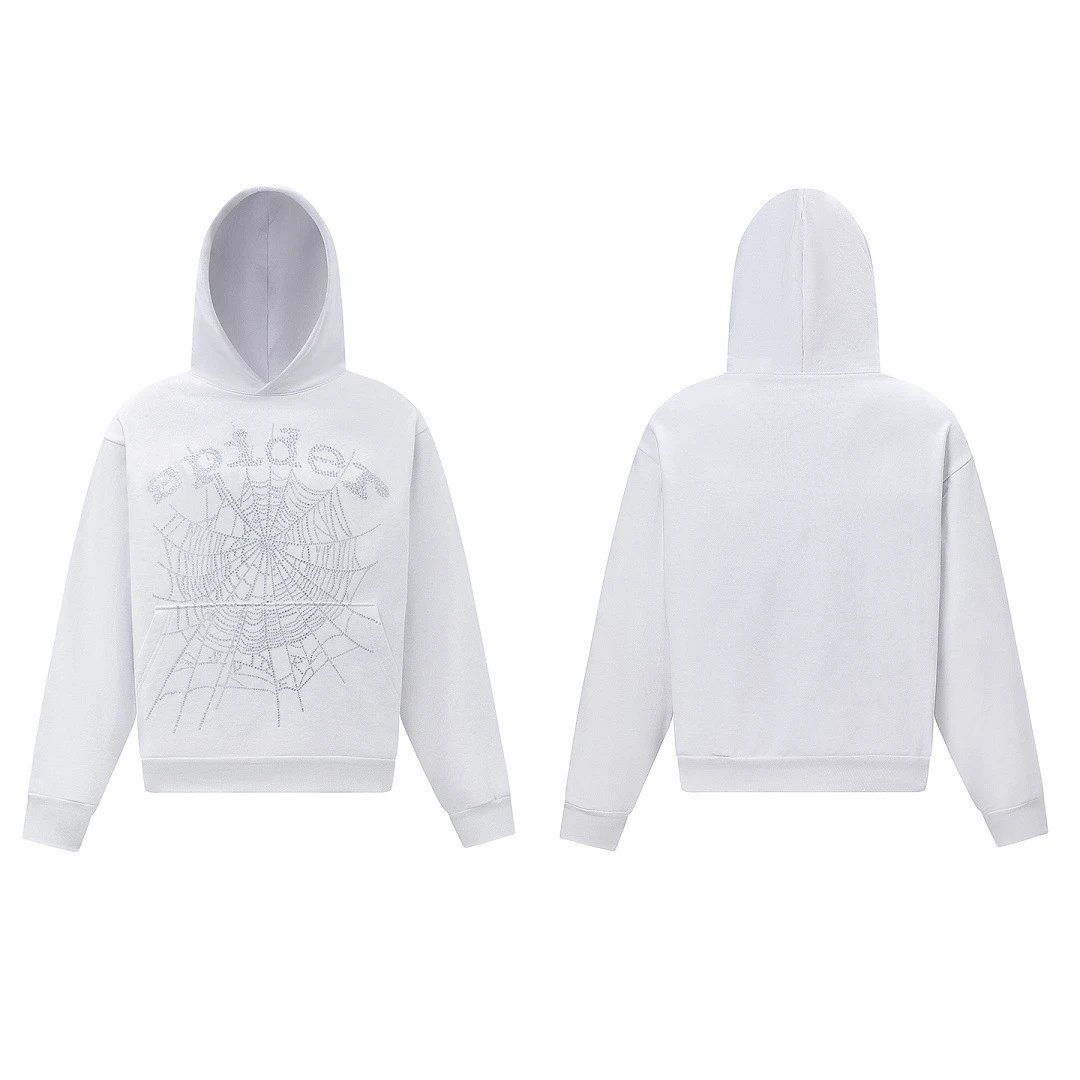
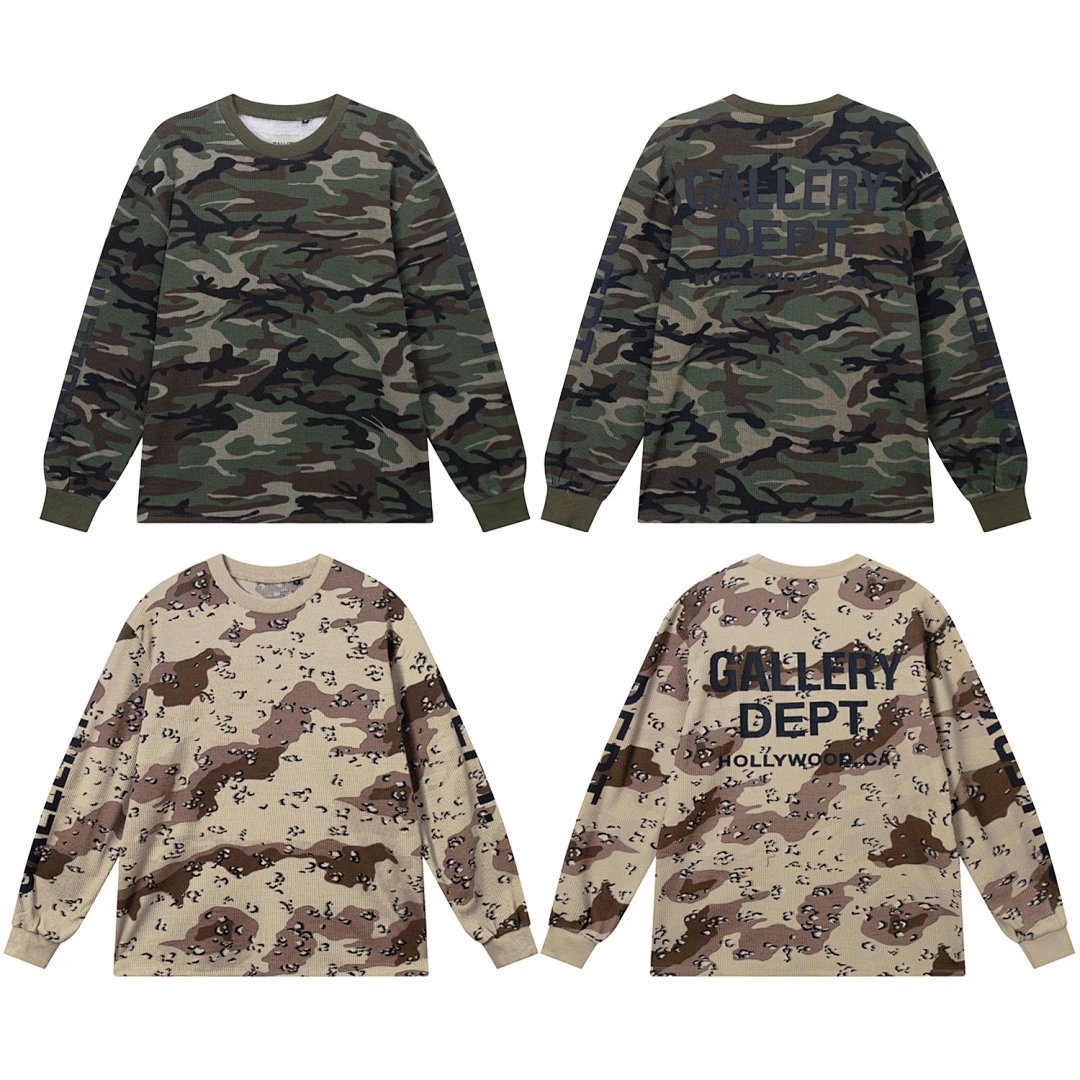
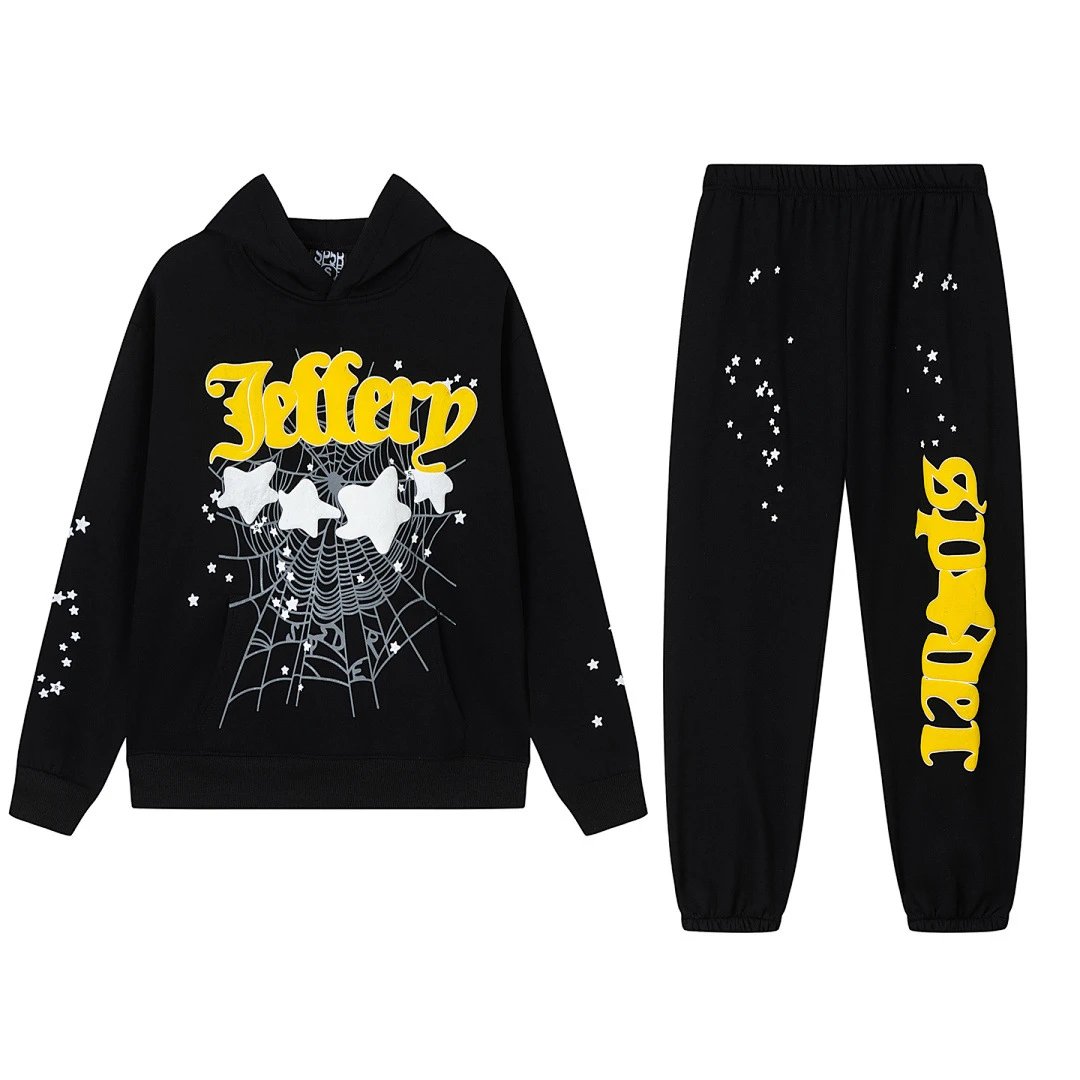
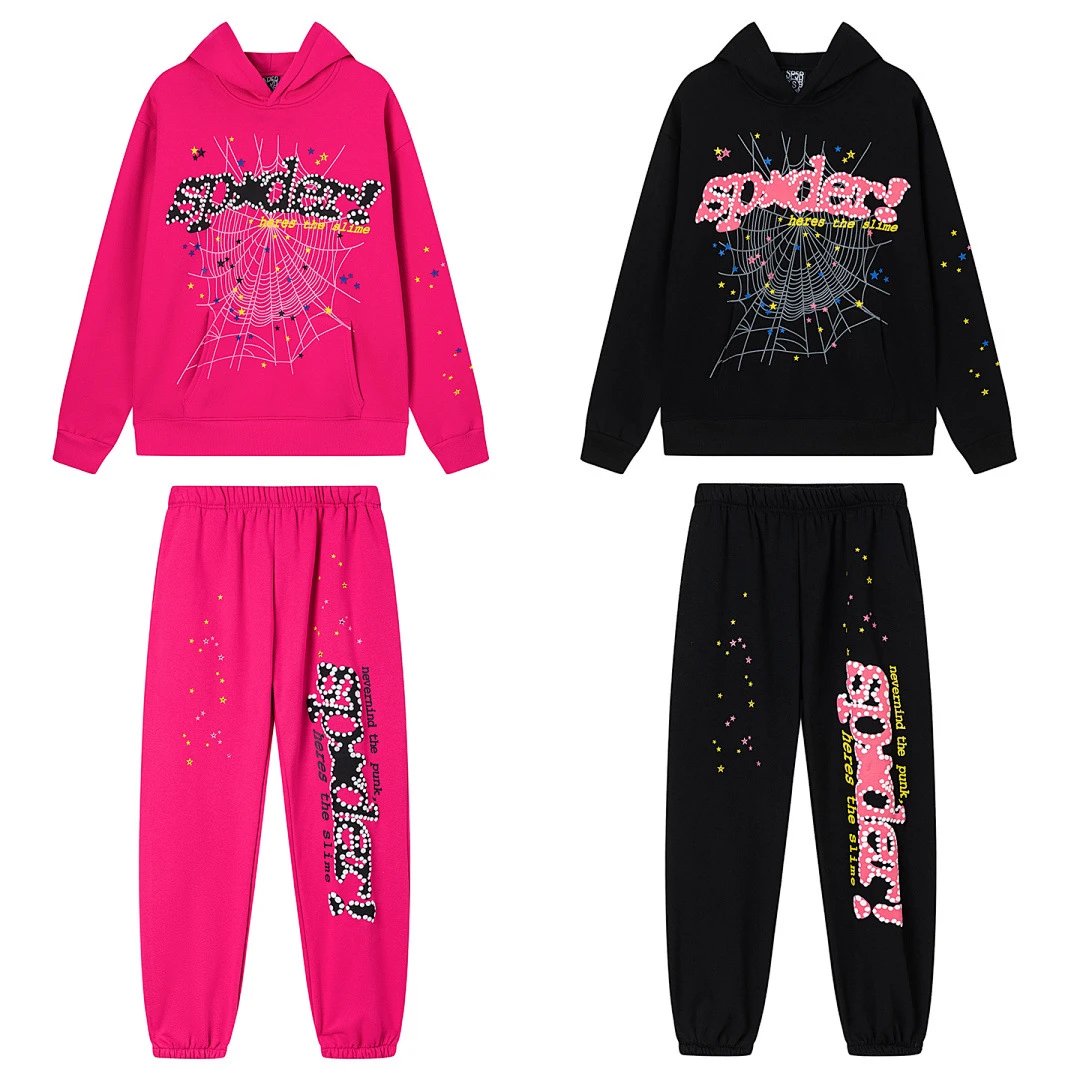
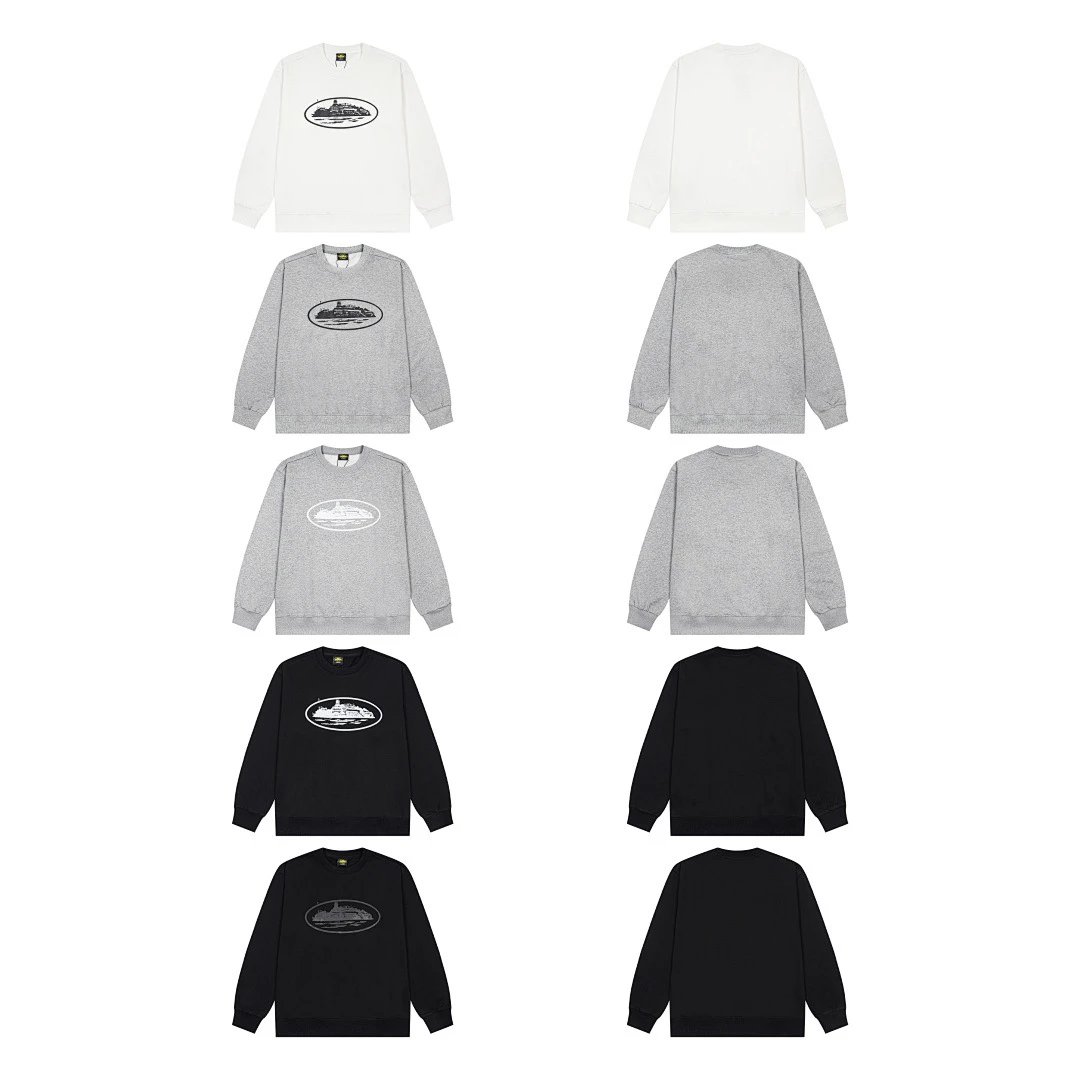
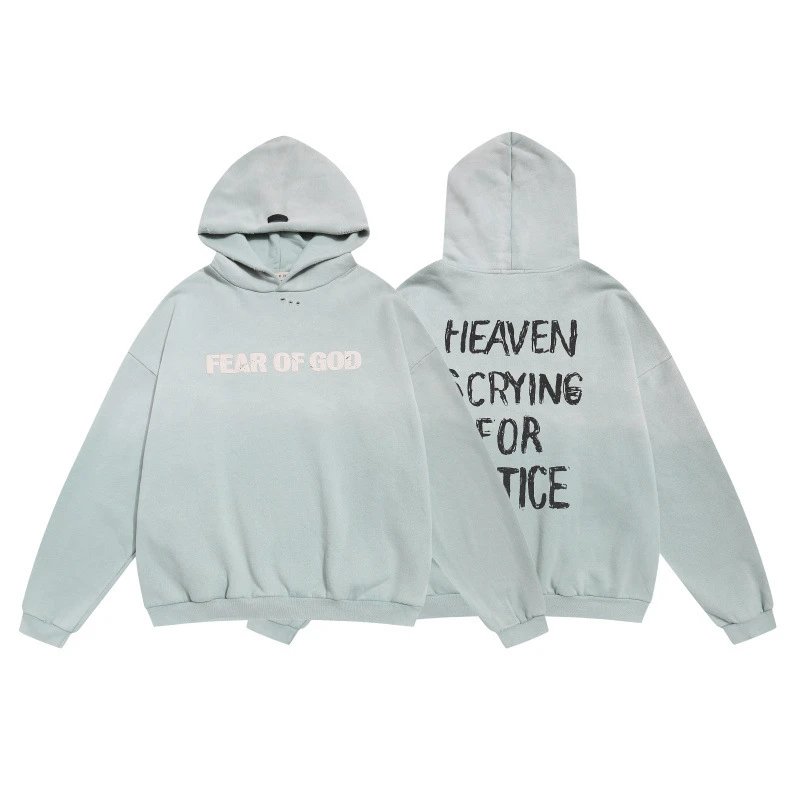
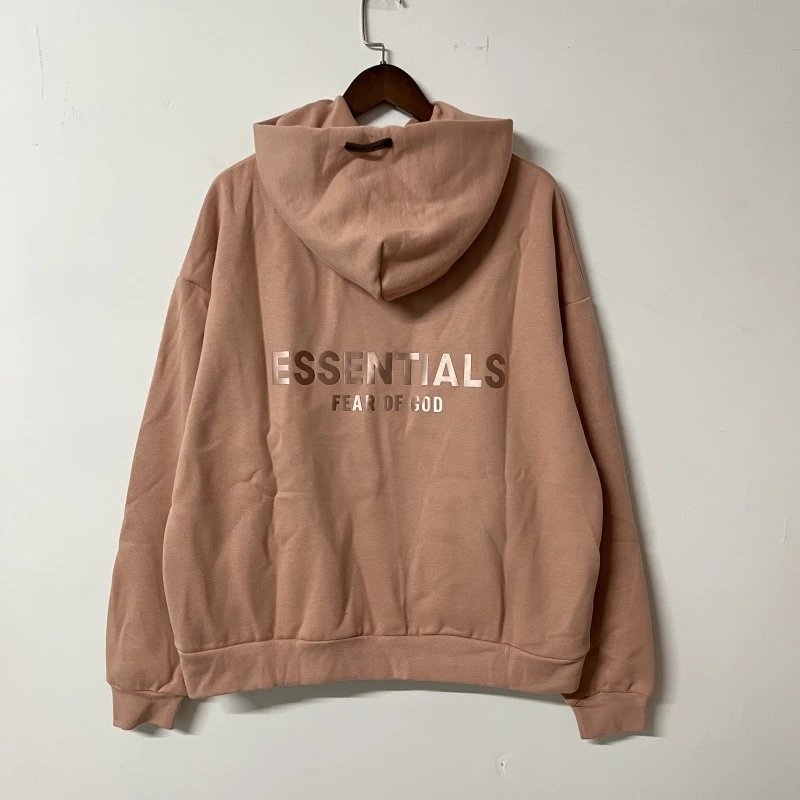
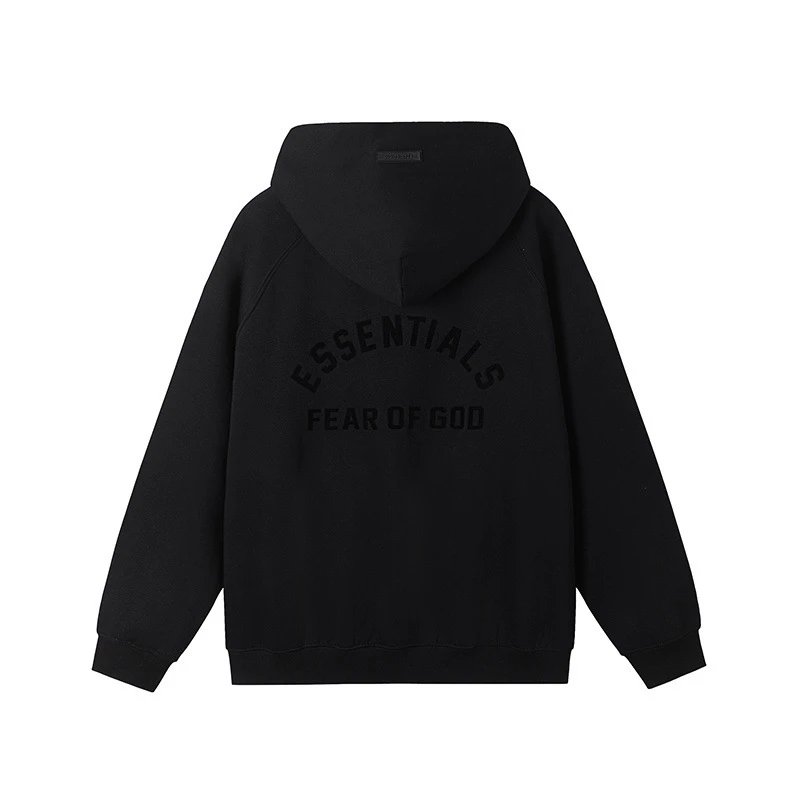
Graphics are where careful QC pays off. For screen prints, check the print is sharp, correctly placed and not cracked; for embroidery, look at stitch density, thread colour and whether letters or logos line up straight. Puff print should be evenly raised, not lumpy. Ask your Litbuy QC note to photograph the chest graphic and any back print square-on so you can judge alignment rather than guessing from an angled shot.
Reading the seller matters as much as the garment. A discerning Weidian store will state the fabric weight, show real worn or flat-lay photos, and answer a "which batch is this" question directly. Vague fabric claims and stock-only images are your cue to compare other listings of the same find.
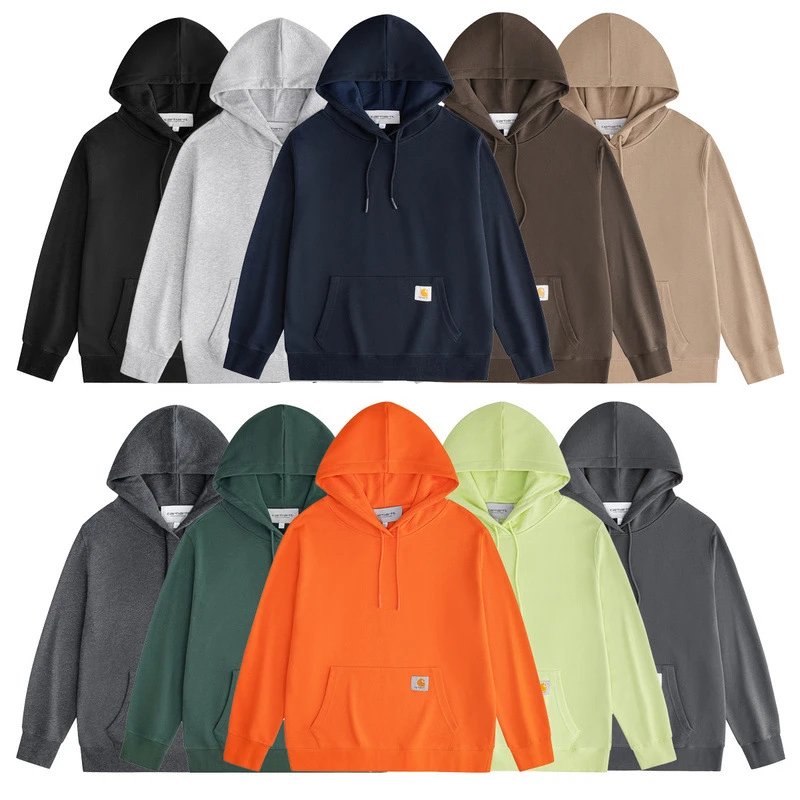
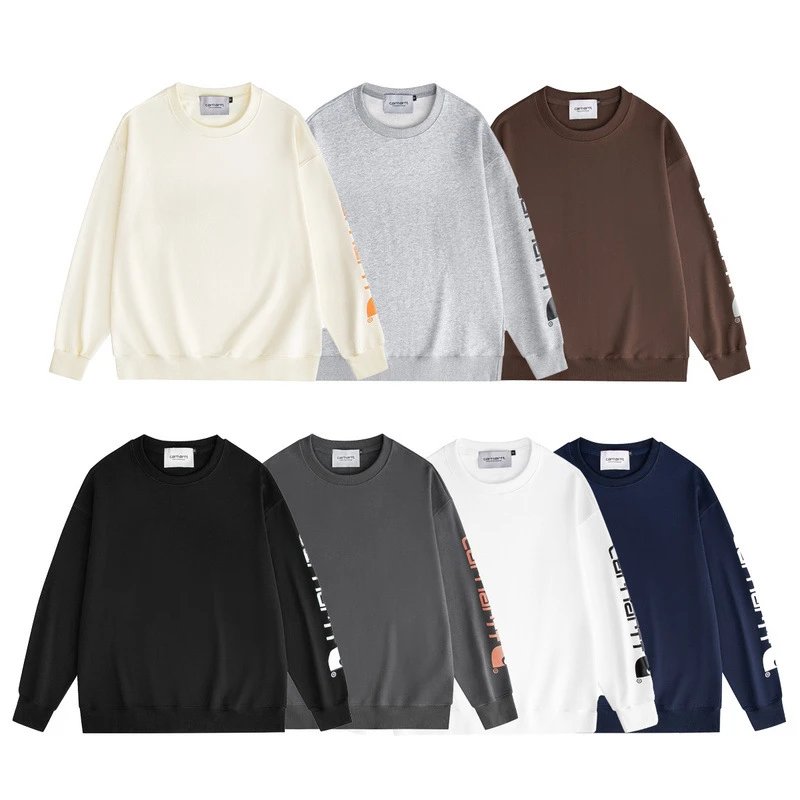
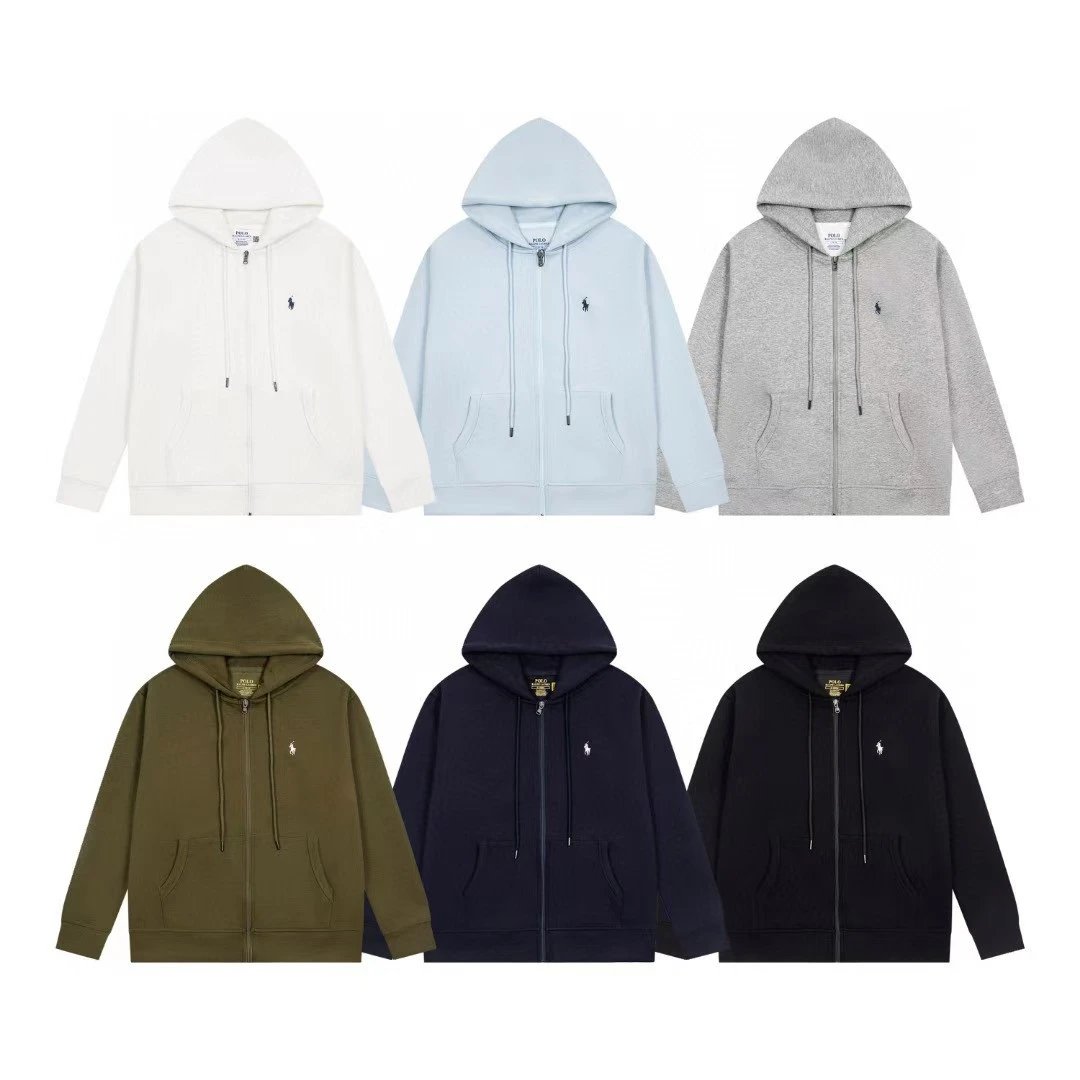
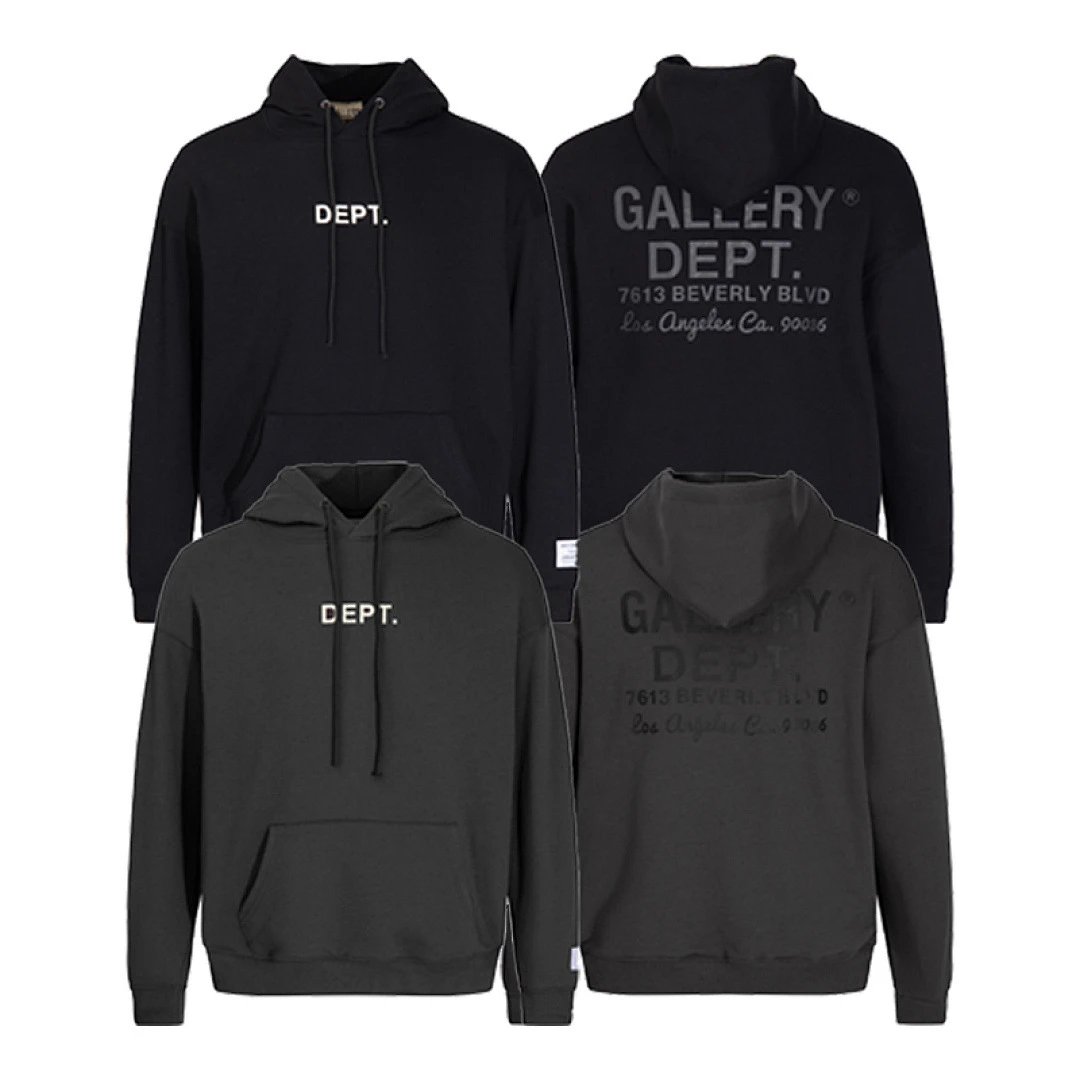
A couple of finishing checks: confirm ribbing at the cuffs and hem looks tight (loose ribbing stretches out fast), and look at the drawcord and hood shape on hoodies. Fabric weights, in-stock versions and pricing shift between drops, so trust the live Litbuy listing and the seller's current reply over any older spreadsheet entry.

 50%OFF