Other Stuff on Litbuy: How to Vet an Odd One-Off
Quick answer: "Other Stuff" is the catch-all — homeware, toys, stationery, collectibles, small gear and the random find that doesn't fit a neat category — so the reliable move is to judge each item on its own materials and to lean hard on the Weidian seller's track record, since there's no single QC checklist that fits everything here.
Without a fixed category, your framework becomes the questions you ask. For any item, work out:
- What is it actually made of? Plastic vs metal, solid vs hollow, real wood vs printed finish. Photos flatter cheap materials, so ask the seller directly and request close-ups of the surface and joins.
- What are the real dimensions? Listing photos routinely make small things look large and large things look sturdy. Get measurements in centimetres and picture the object in your hand.
- Does it need power or batteries? If so, treat it like electronics — ask about voltage, plug and whether batteries are included or shippable.
- Is it fragile or restricted? Ceramics, glass and liquids need careful packing or may face shipping limits. Confirm with Litbuy before ordering.
Because this bucket attracts one-off listings, seller vetting matters more than anywhere else. A store with a real history, consistent honest photos, and clear answers is worth choosing over a marginally cheaper unknown. When the same item appears under several sellers on the spreadsheet, the price gap can reflect a genuine quality or size difference, not just margin — ask which version each is before assuming they're identical.
At QC, tell your Litbuy note exactly what you're worried about for that specific item — the print on a poster, the seams on a plush, the finish on a figure, the completeness of a multi-piece set. Generic default photos won't reveal a cracked edge or a missing part, so request the angles that matter. For anything mechanical or with moving parts, ask for a photo confirming it works or is undamaged.
Practical notes: heavy or awkwardly shaped items drive shipping cost, so weigh whether the find justifies the freight; fragile goods benefit from asking about extra packing; and multi-part sets should be confirmed complete before they ship. Availability and pricing on miscellaneous items churn quickly and stock is often limited, so trust the live Litbuy listing and the seller's current reply over an older spreadsheet row — and when a listing is vague, ask before you buy rather than after.



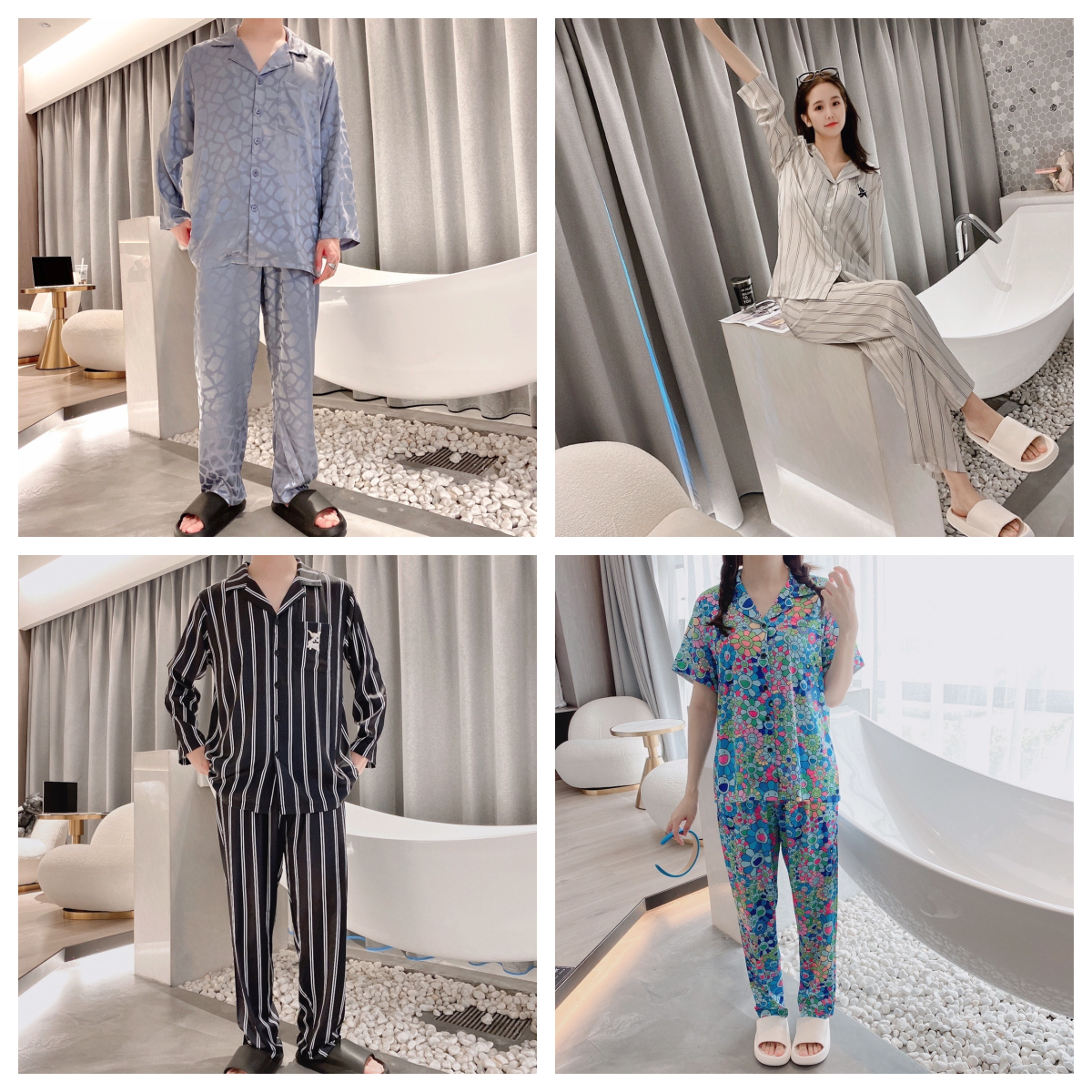
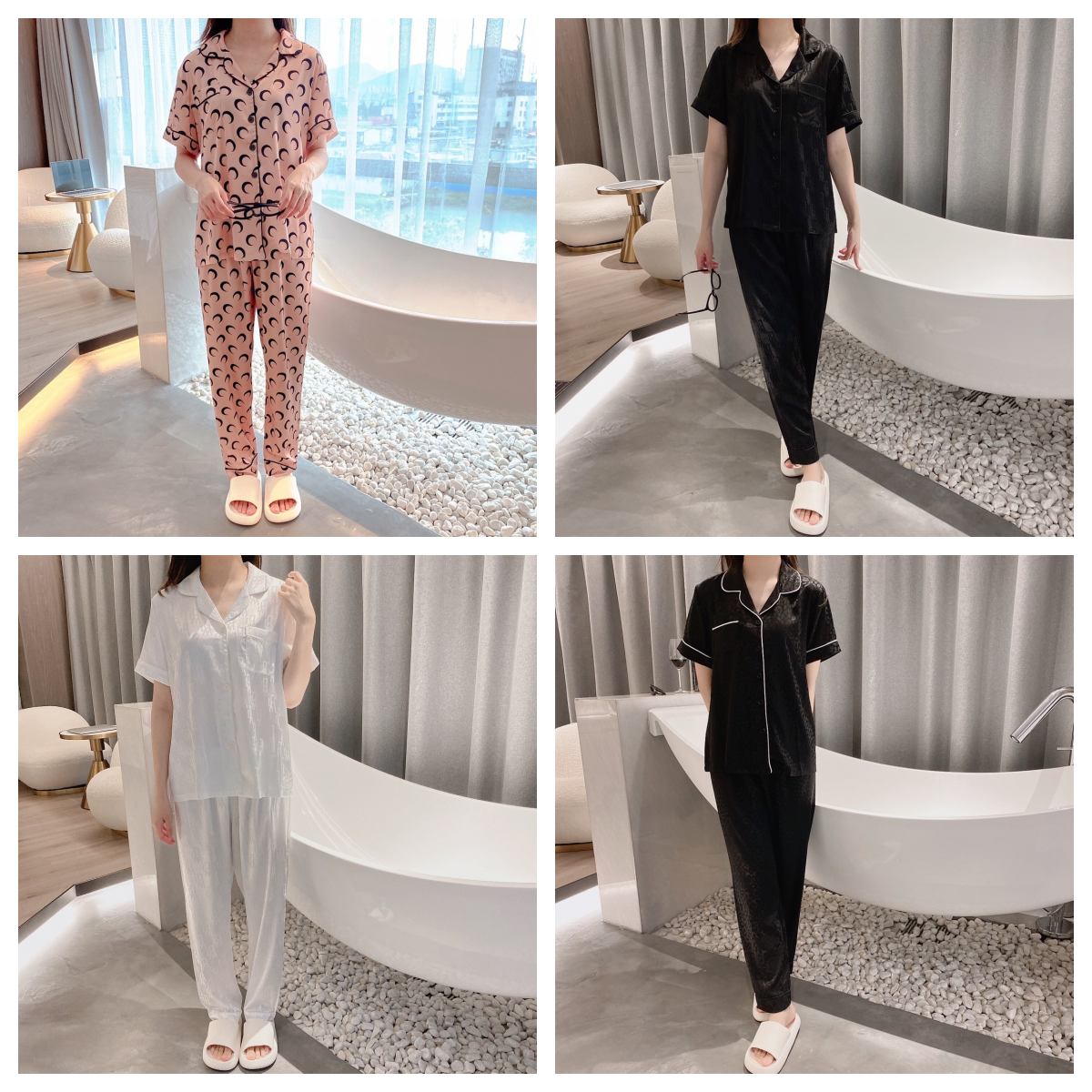
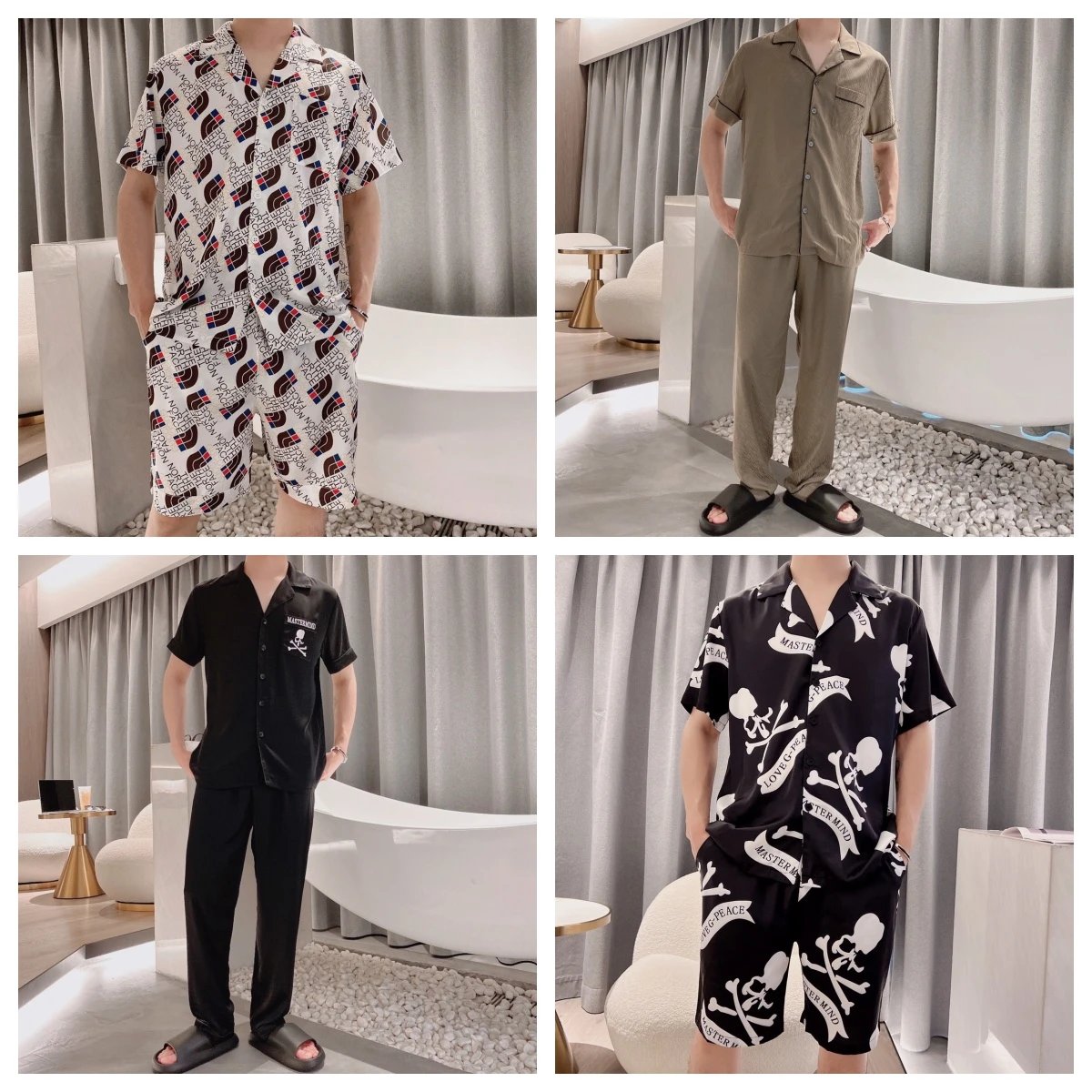
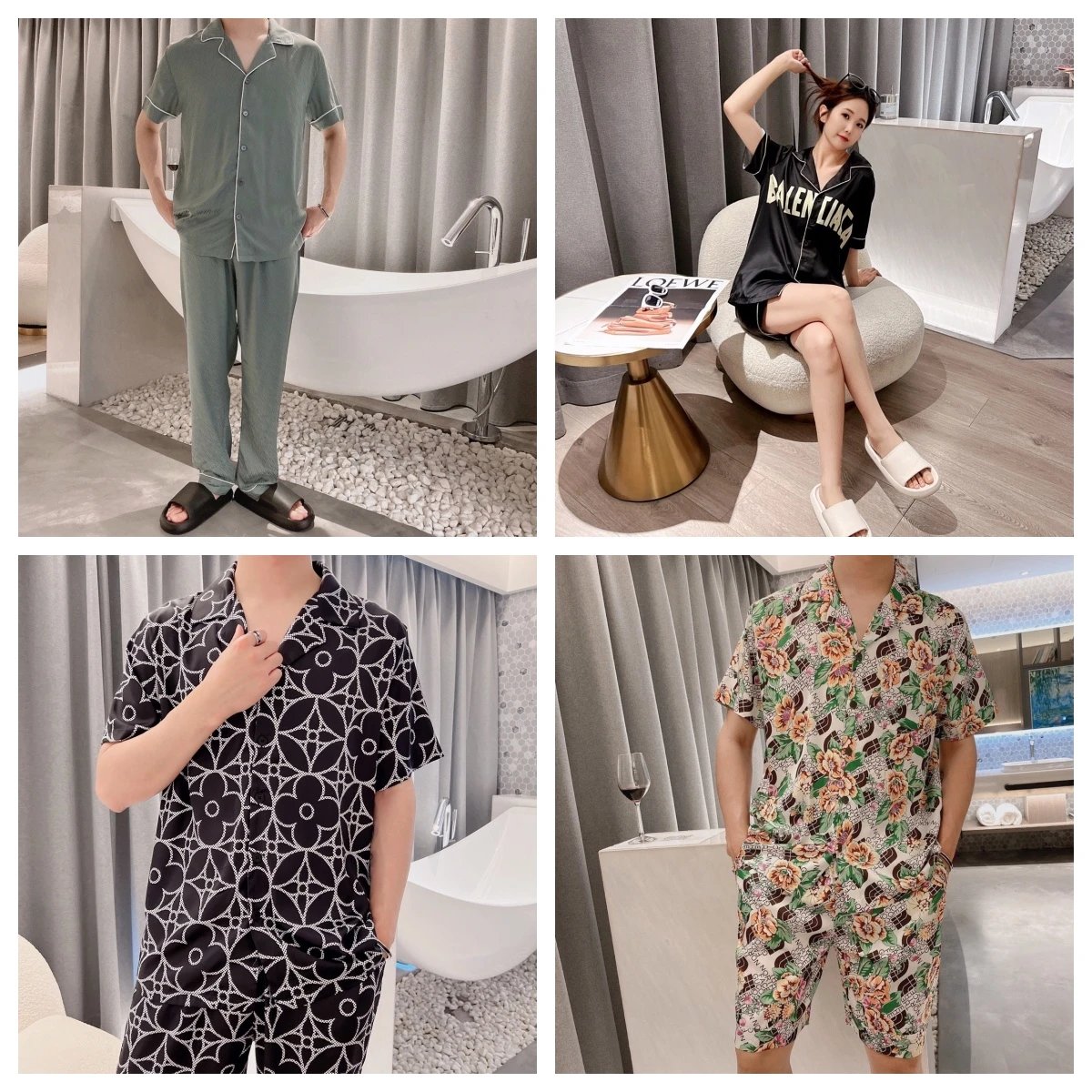







![Alo Yoga Sports Bra [6 styles]](https://si.geilicdn.com/wdseller1489596767-250600000196dfdb03b00a23b4f4_1284_1284.jpg?imageMogr2/format/webp/thumbnail/400x400)
![alo Sportswear Set [6 styles]](https://si.geilicdn.com/wdseller1489596767-198000000198529057f40a2304aa_800_800.jpg?imageMogr2/format/webp/thumbnail/400x400)

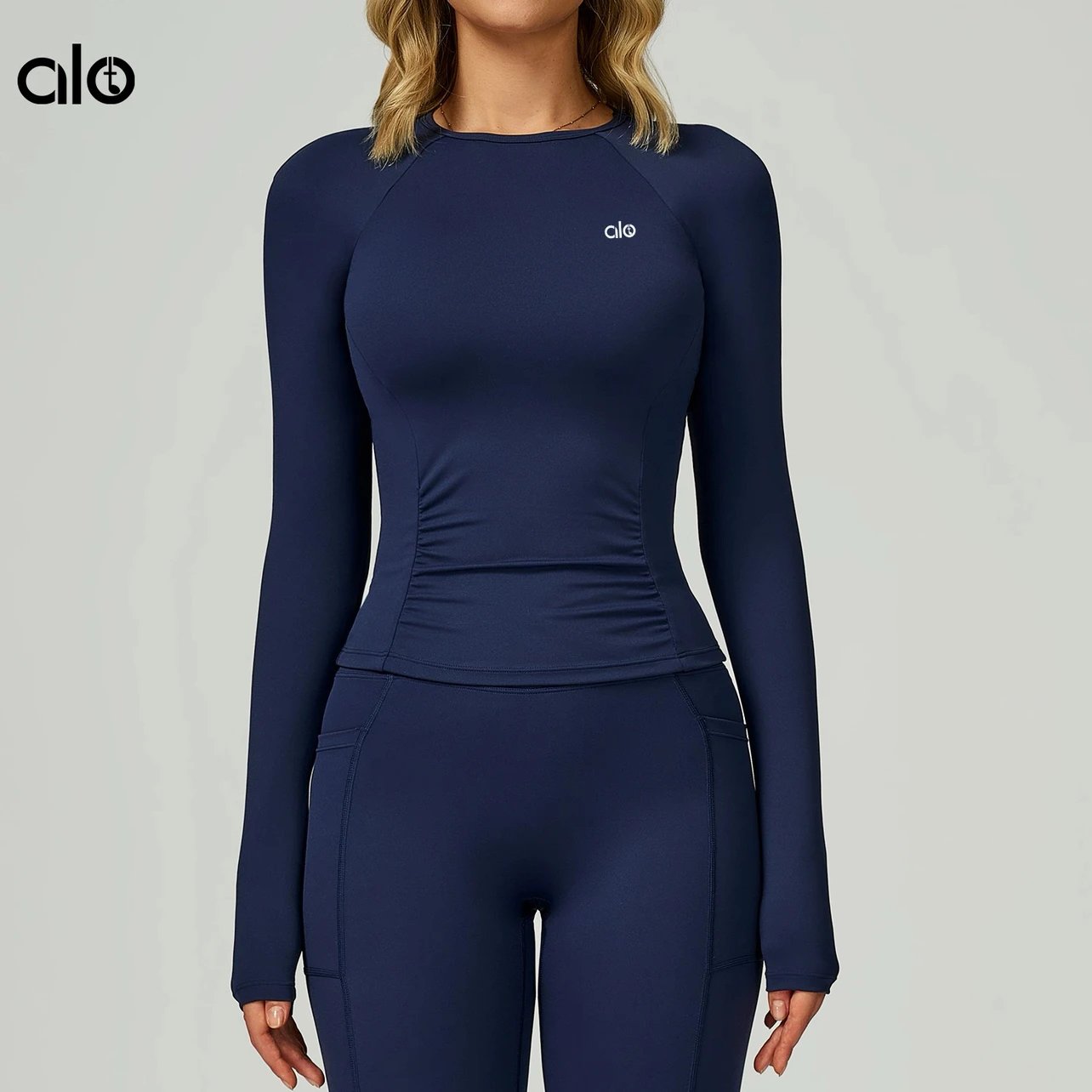
![Alo塑形莱卡面料高弹性回弹运动背心 [7 styles]](https://si.geilicdn.com/wdseller1489596767-084c0000019533bd32860a8133cc_1200_1200.jpg?imageMogr2/format/webp/thumbnail/400x400)
![alo Sportswear Set [4 styles]](https://si.geilicdn.com/wdseller1489596767-1e23000001969c5e610f0a210256_800_800.jpg?imageMogr2/format/webp/thumbnail/400x400)
![Alo Yoga Mat [21 styles]](https://si.geilicdn.com/wdseller1489596767-3fb900000193f42dee240a210349_800_800.jpg?imageMogr2/format/webp/thumbnail/400x400)