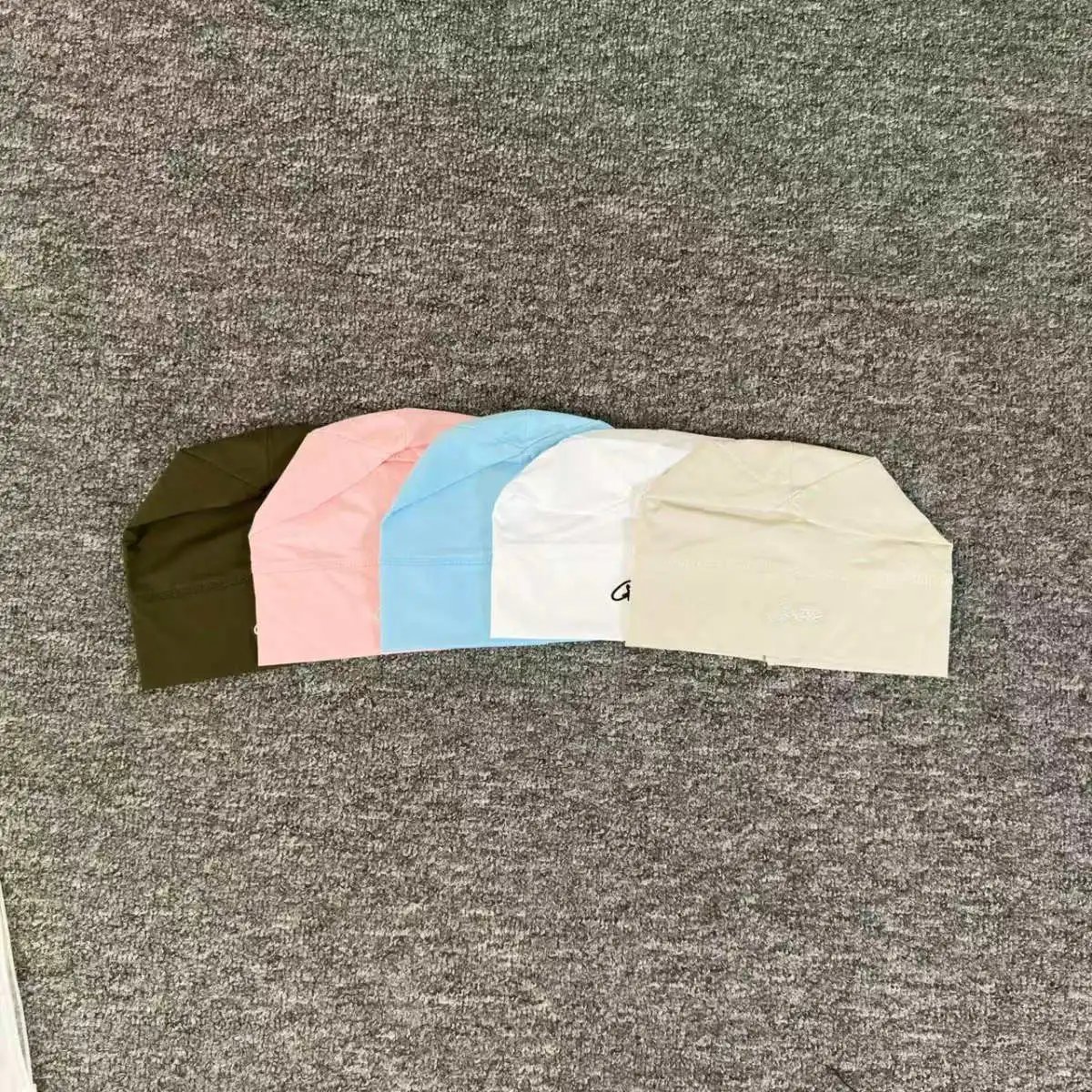
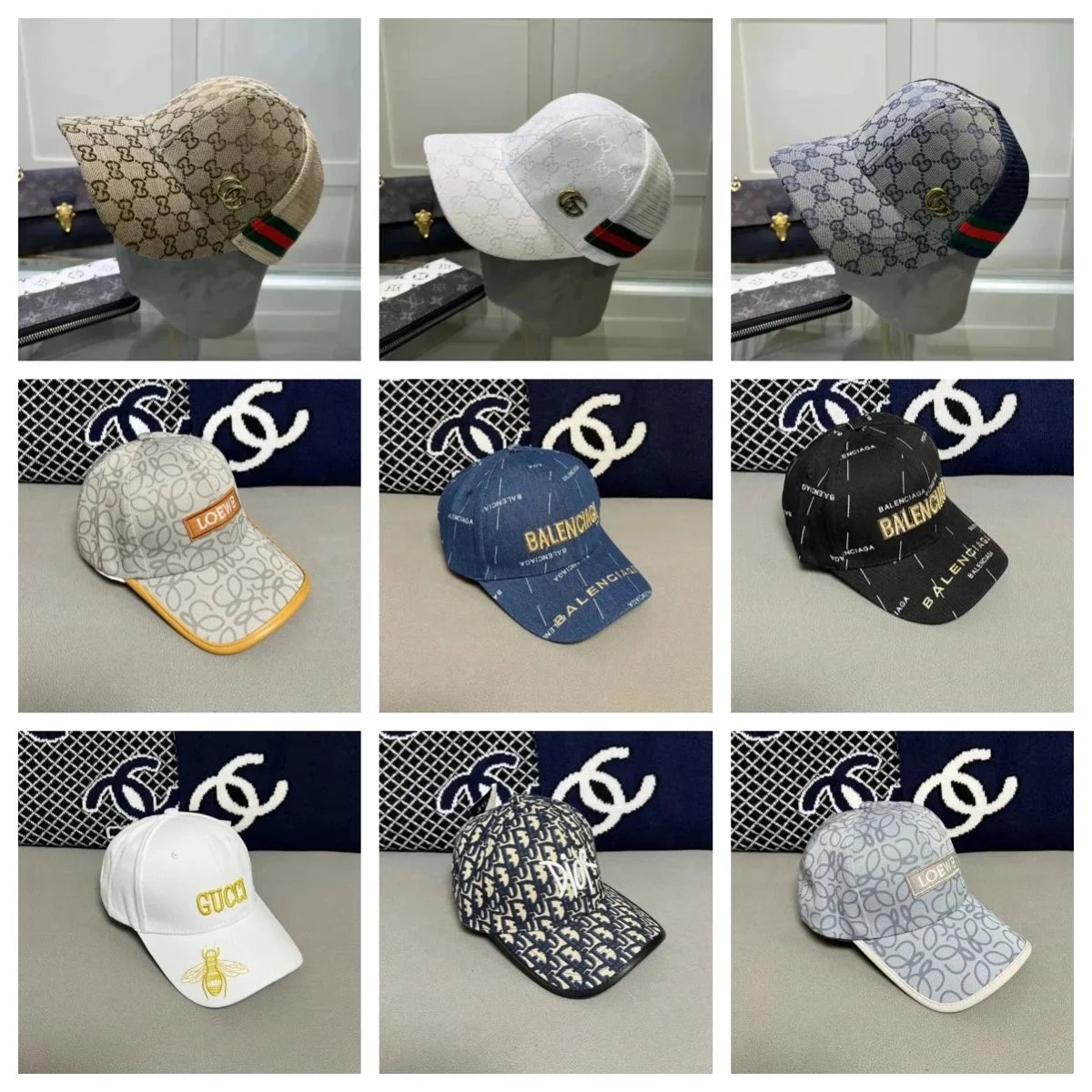
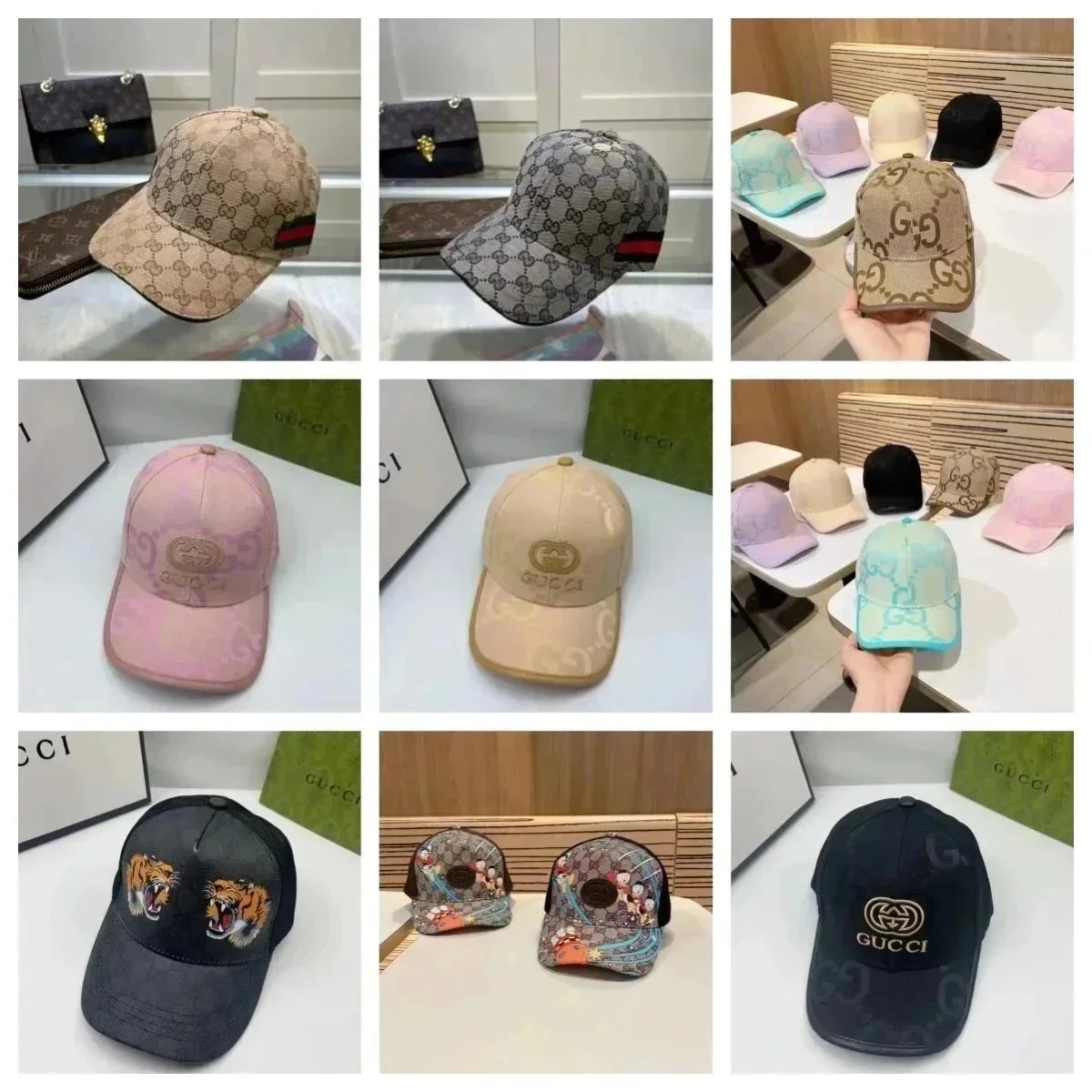
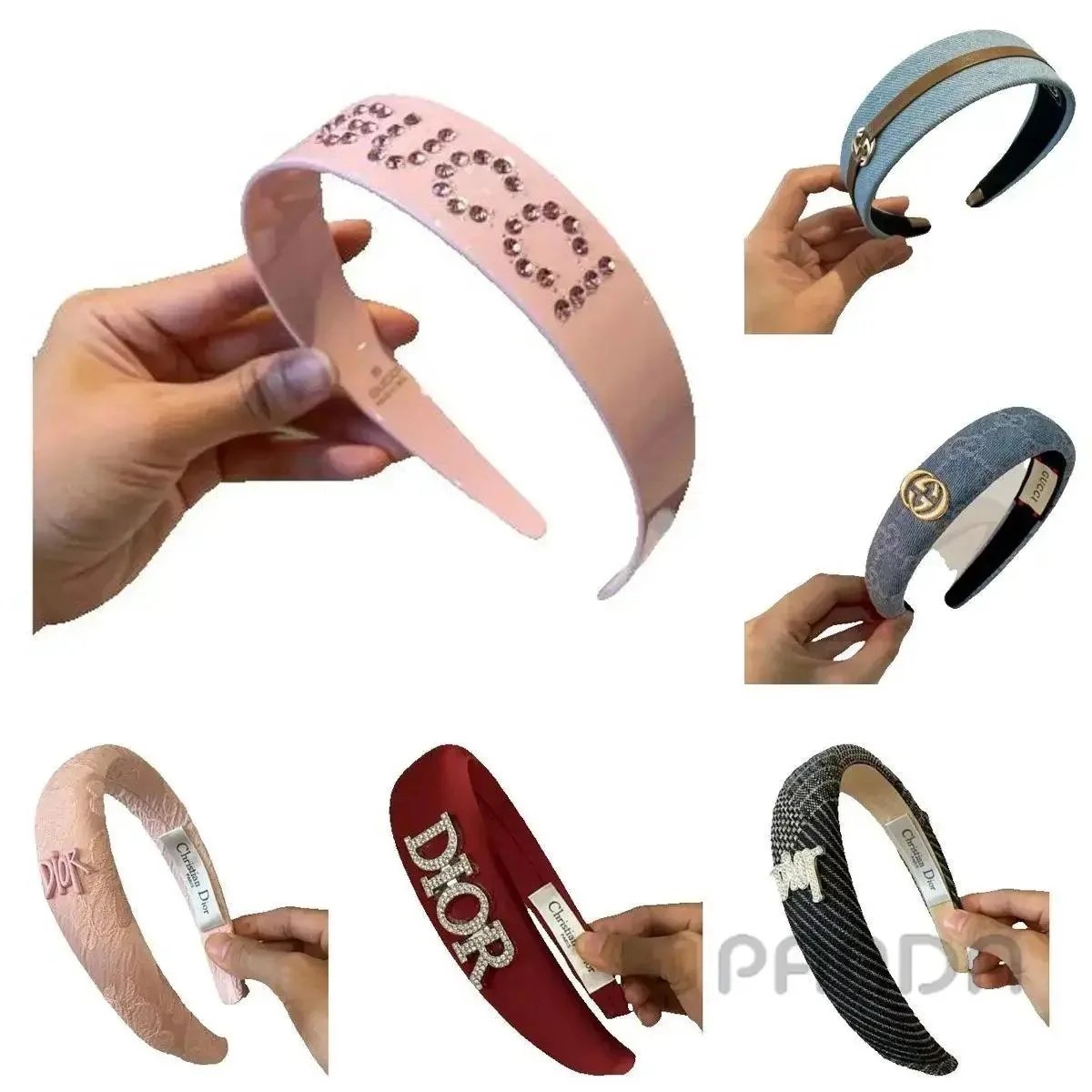
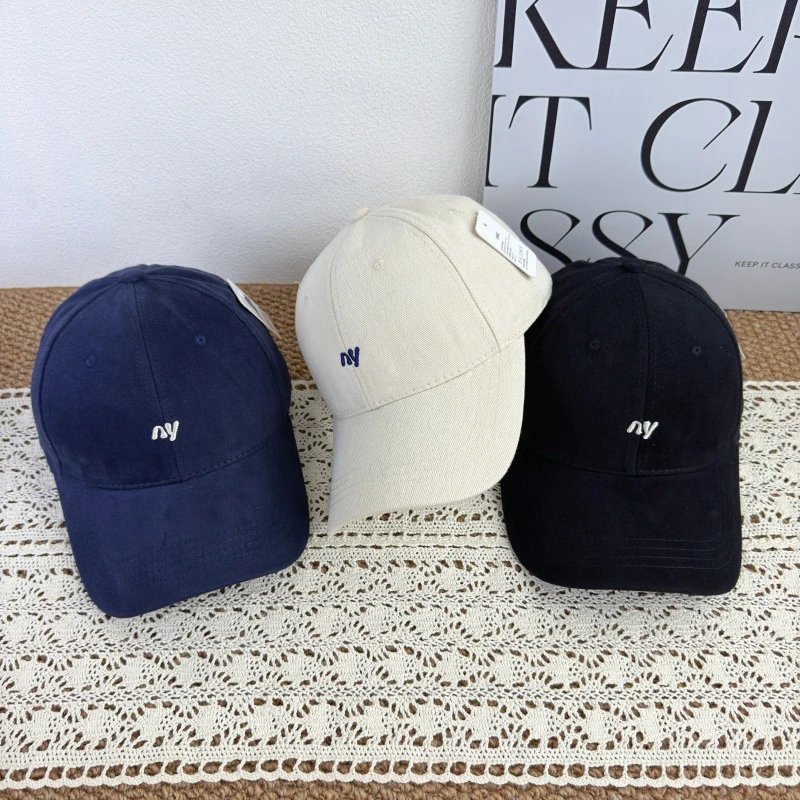
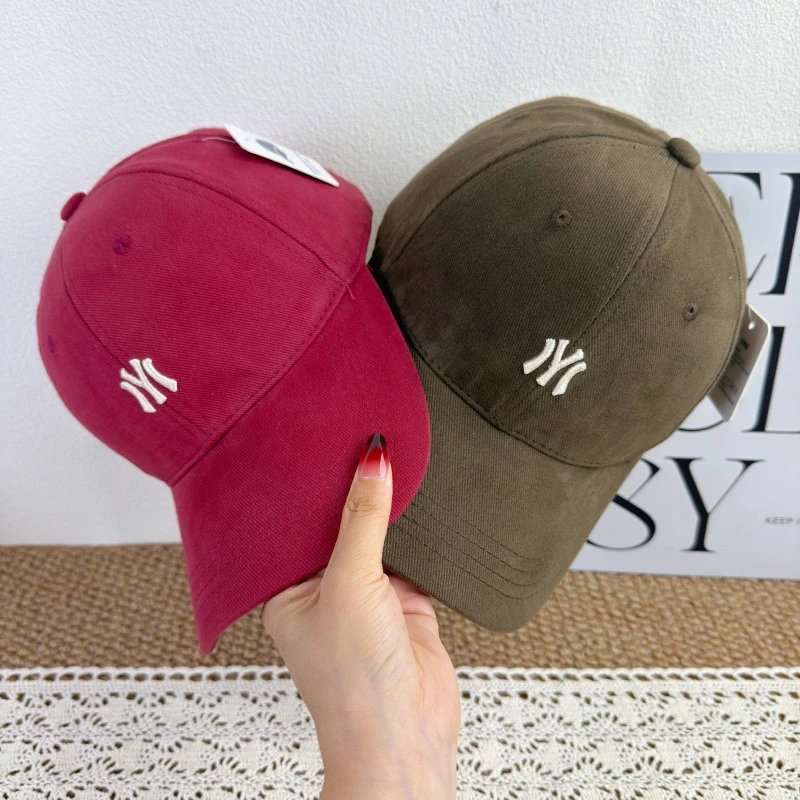
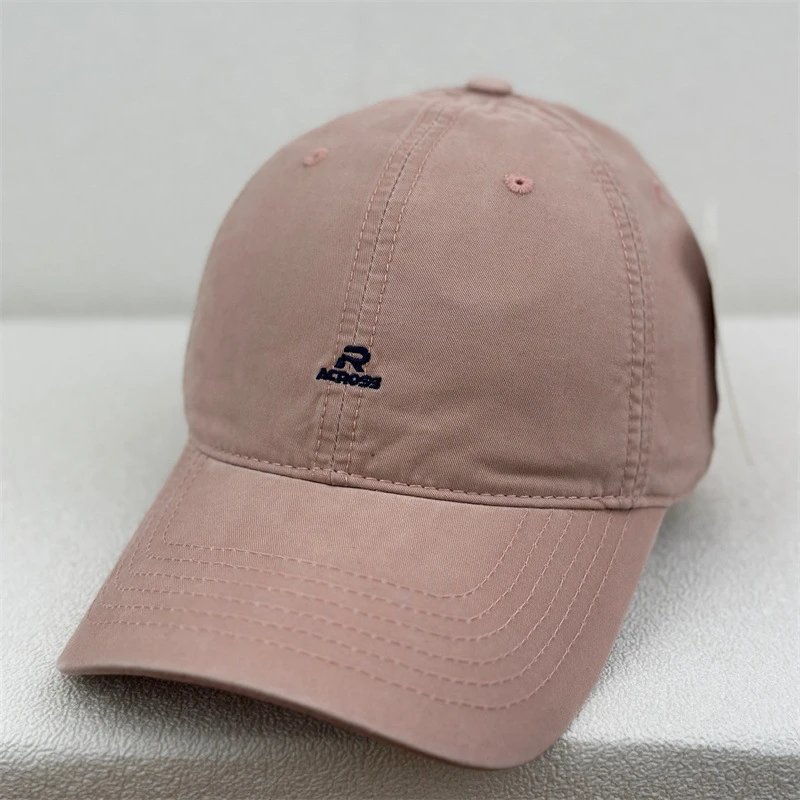
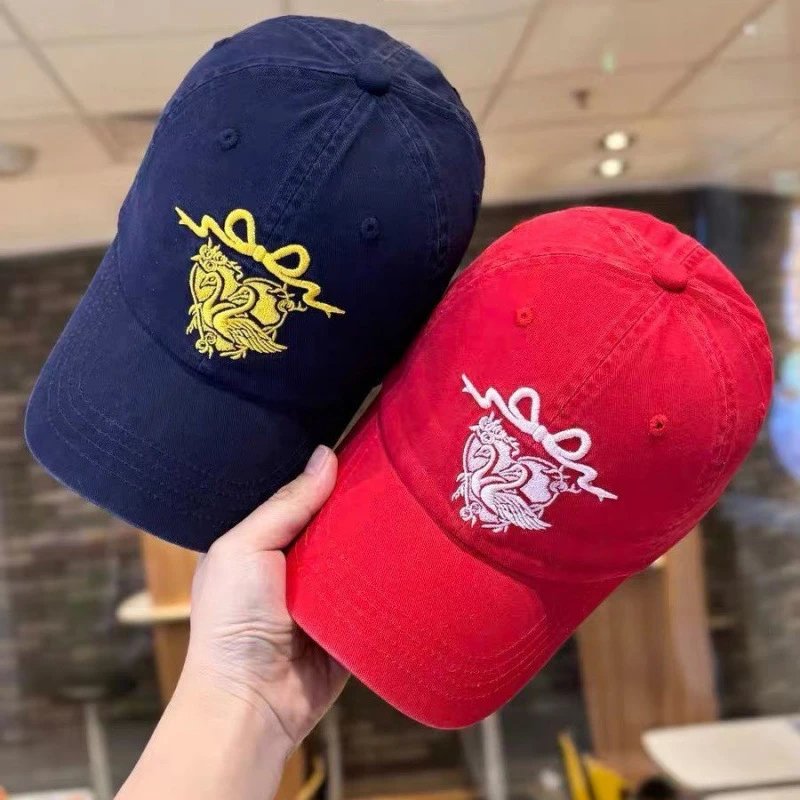
Headwear on Litbuy: Fit, Structure and Logo Accuracy
Direct answer: for caps and beanies, the details that make or break an order are the logo/embroidery accuracy and the structure of the crown or brim — both are easy to check in QC photos and easy for a rough batch to get wrong. Headwear looks simple, which is exactly why the gap between a careful Weidian seller and a careless one shows so plainly.
Start with fit type. Fitted caps come in real sizes, so measure your head circumference in centimetres and match the listing rather than guessing. Snapbacks and most dad caps are adjustable and forgiving. Beanies stretch, but a cheap knit stretches out and stays baggy, so knit density matters more than size. Bucket hats are usually sized S/M/L by circumference — check the chart.
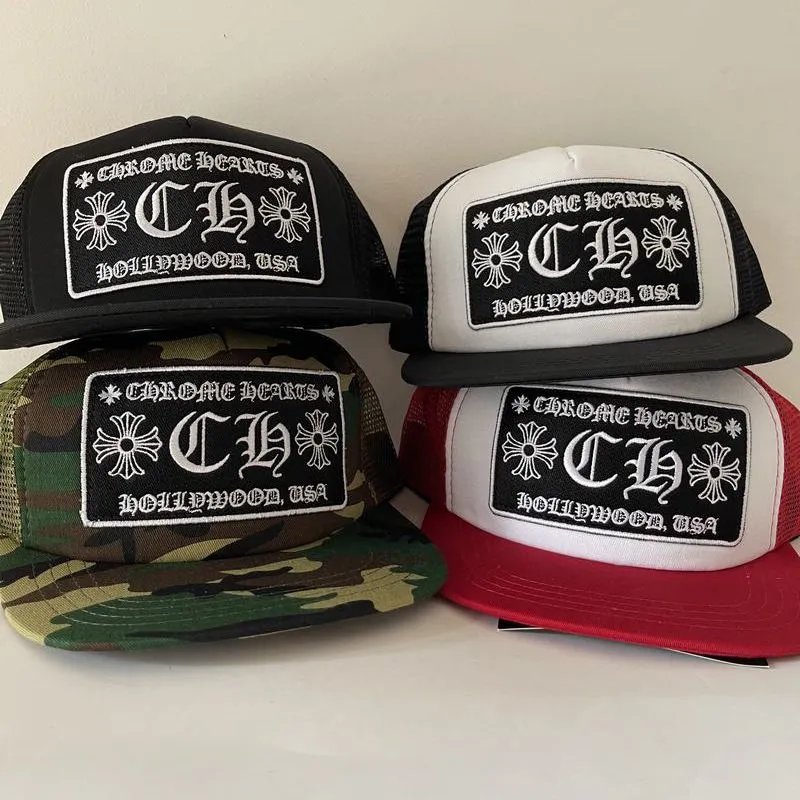
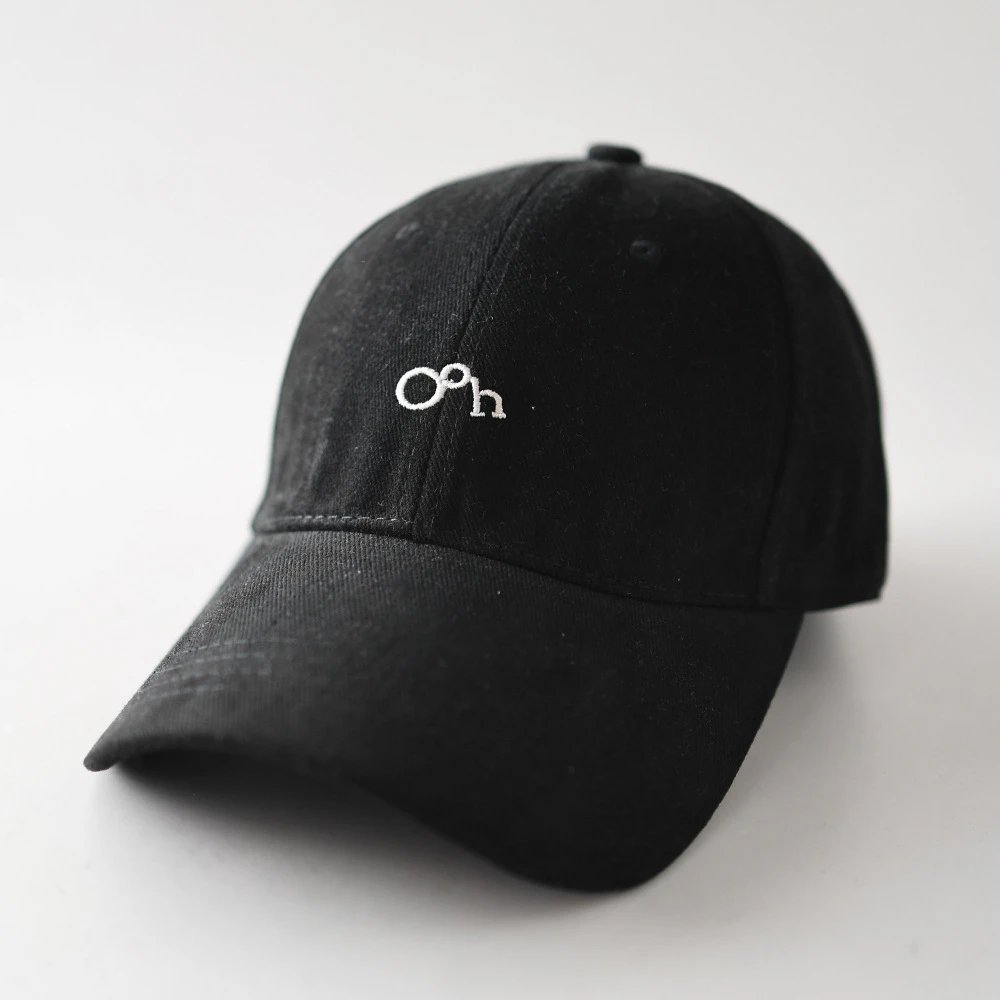
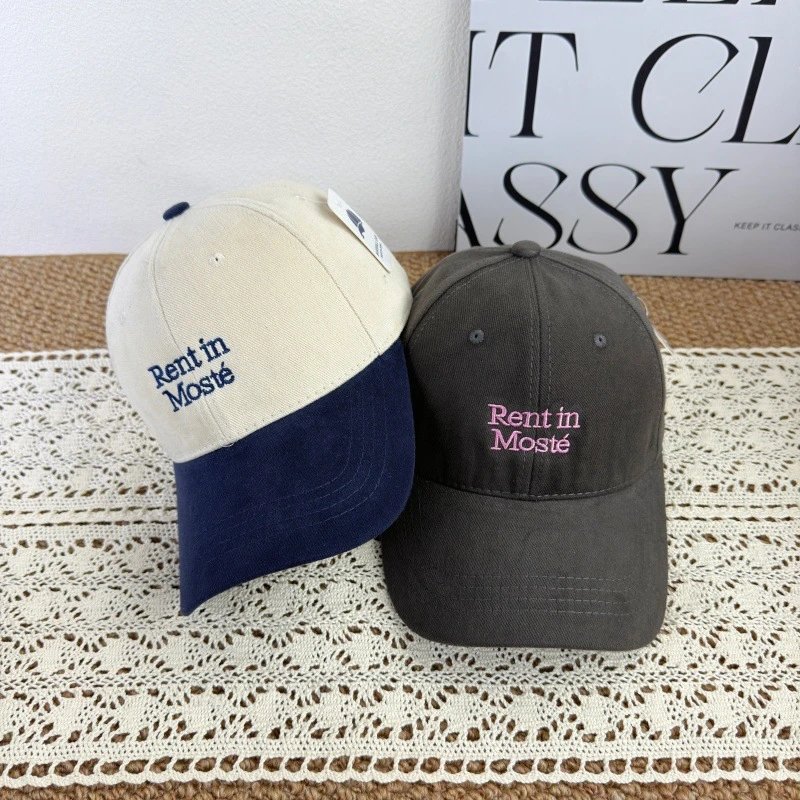
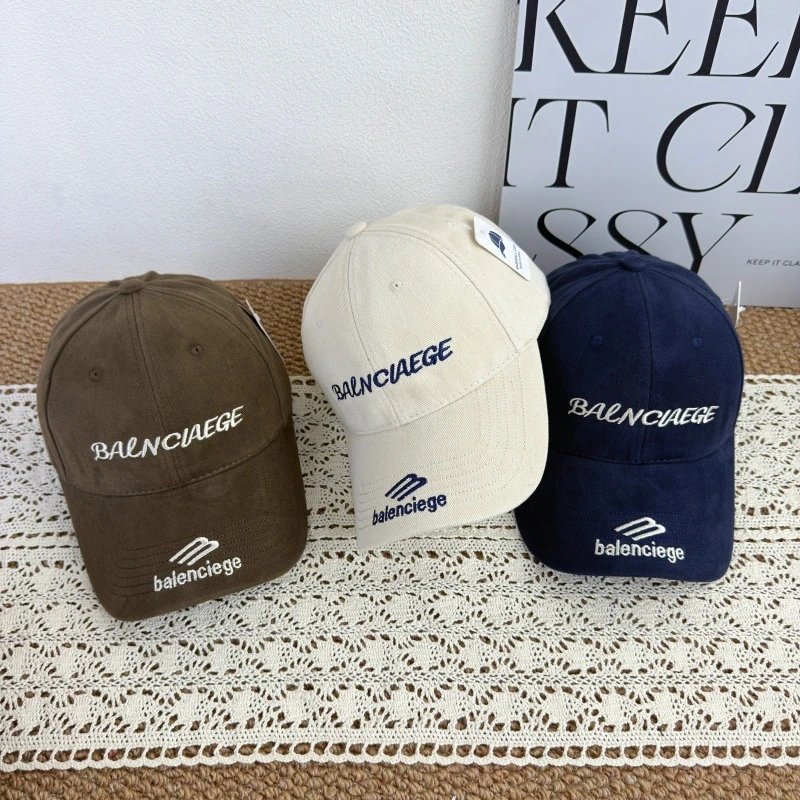
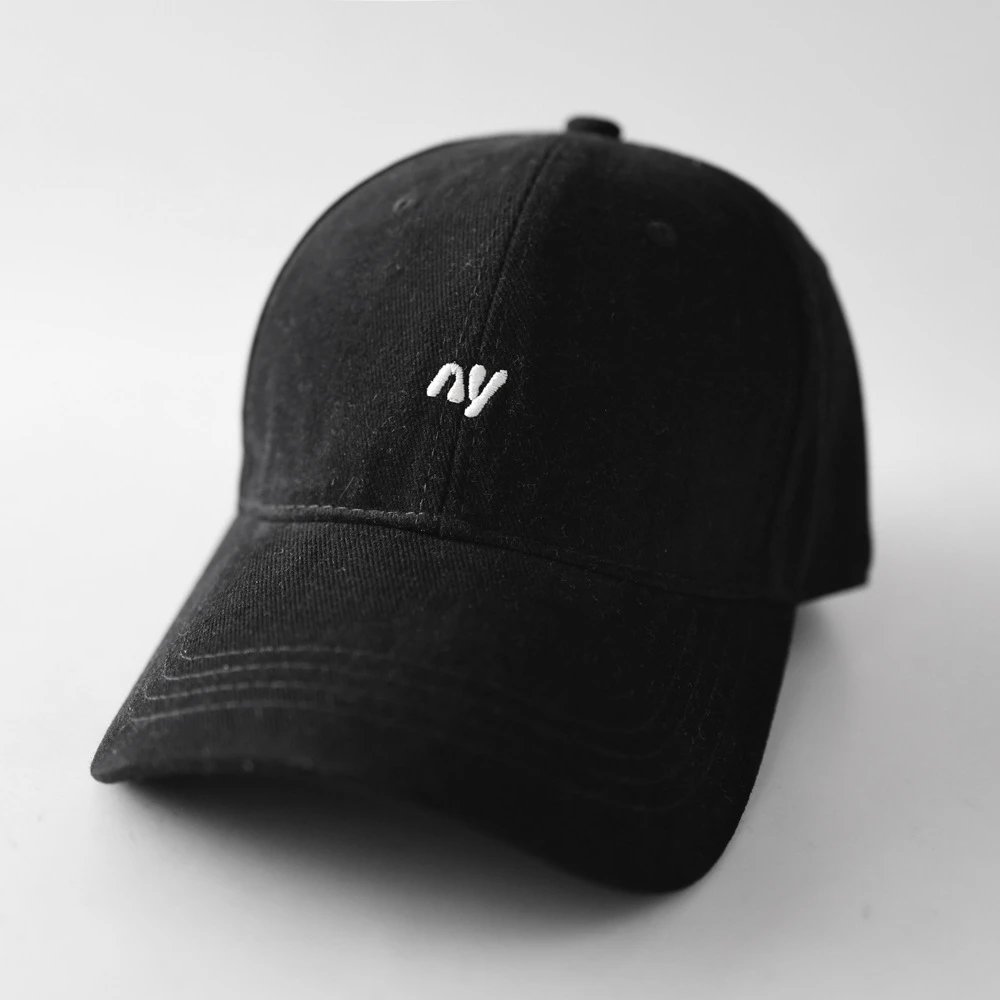
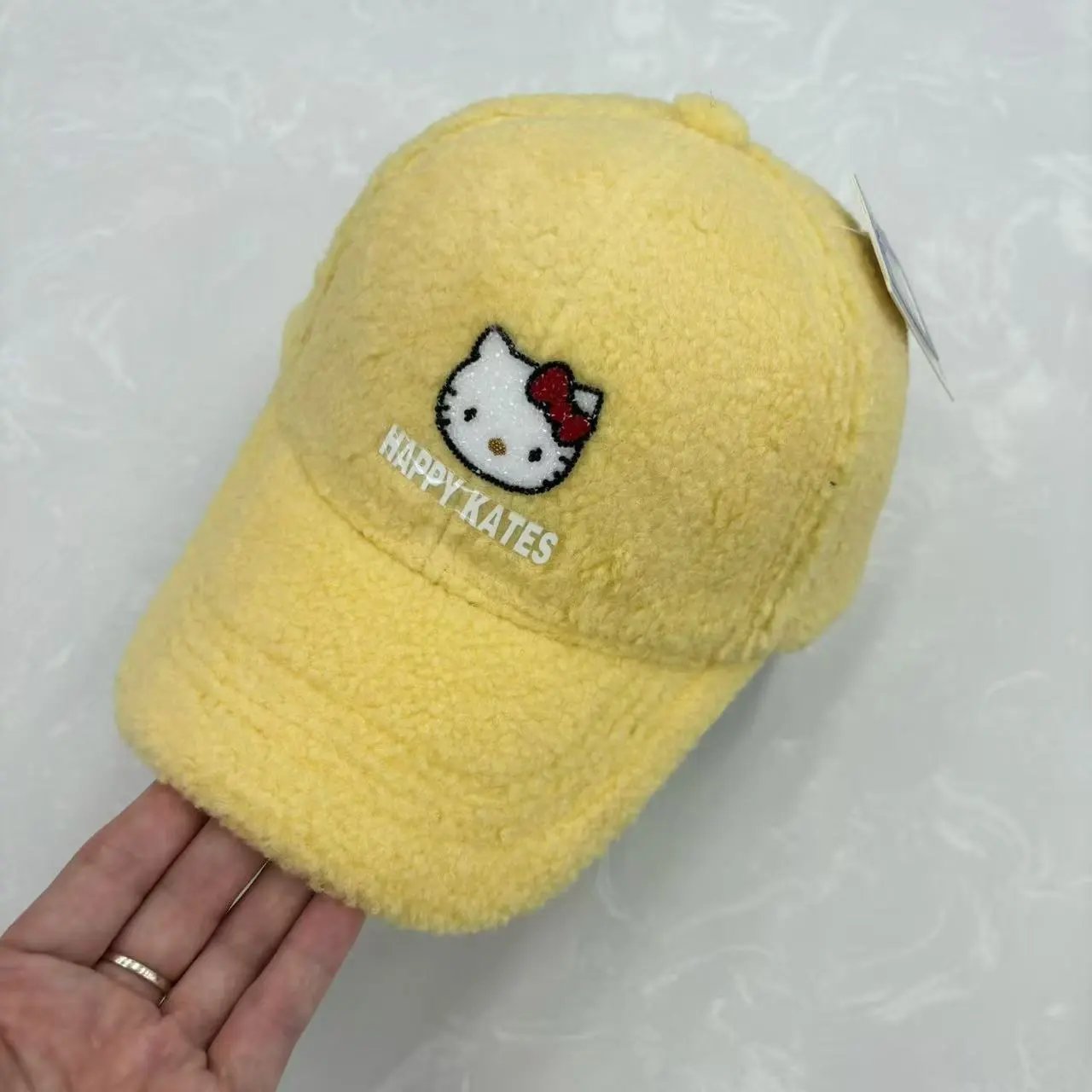
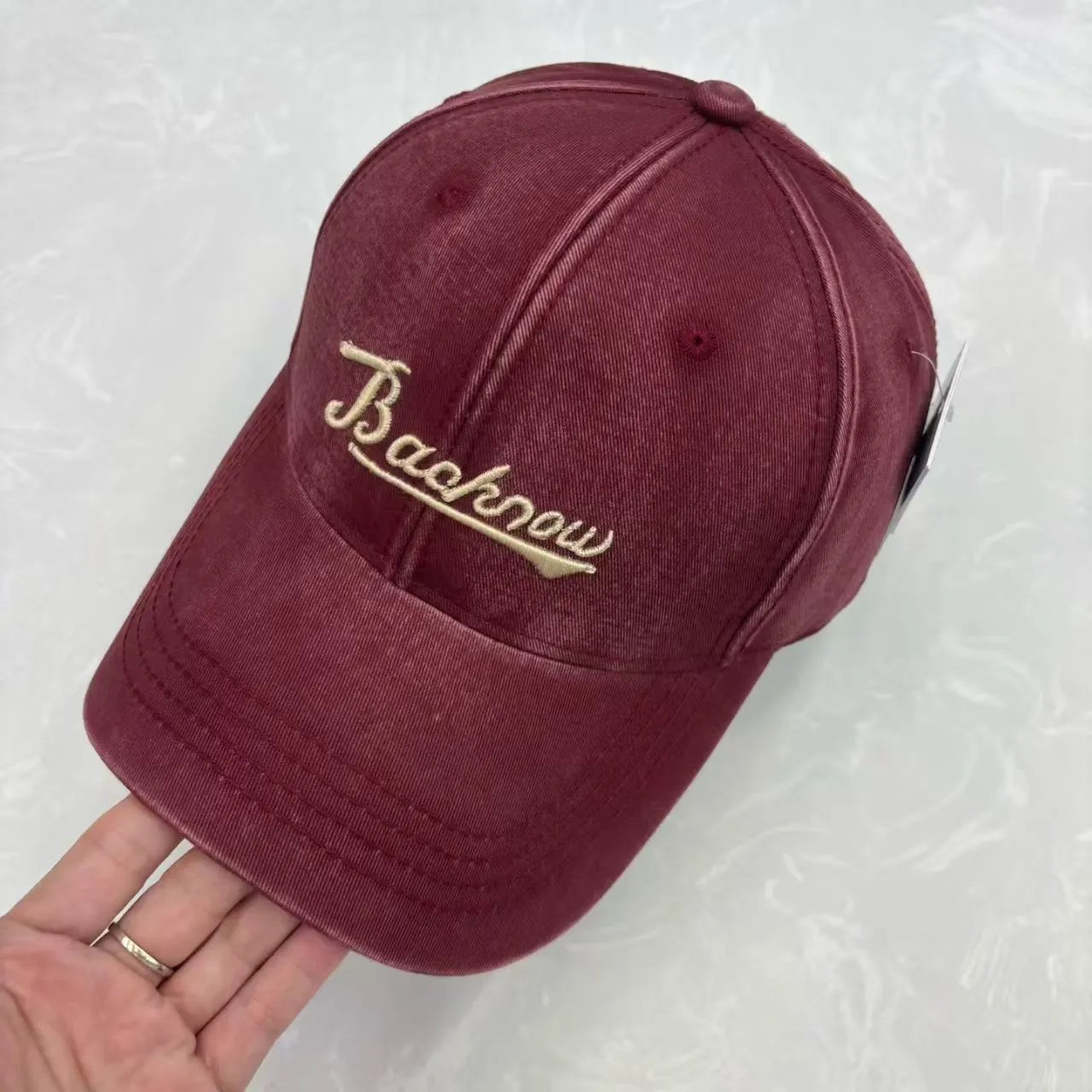
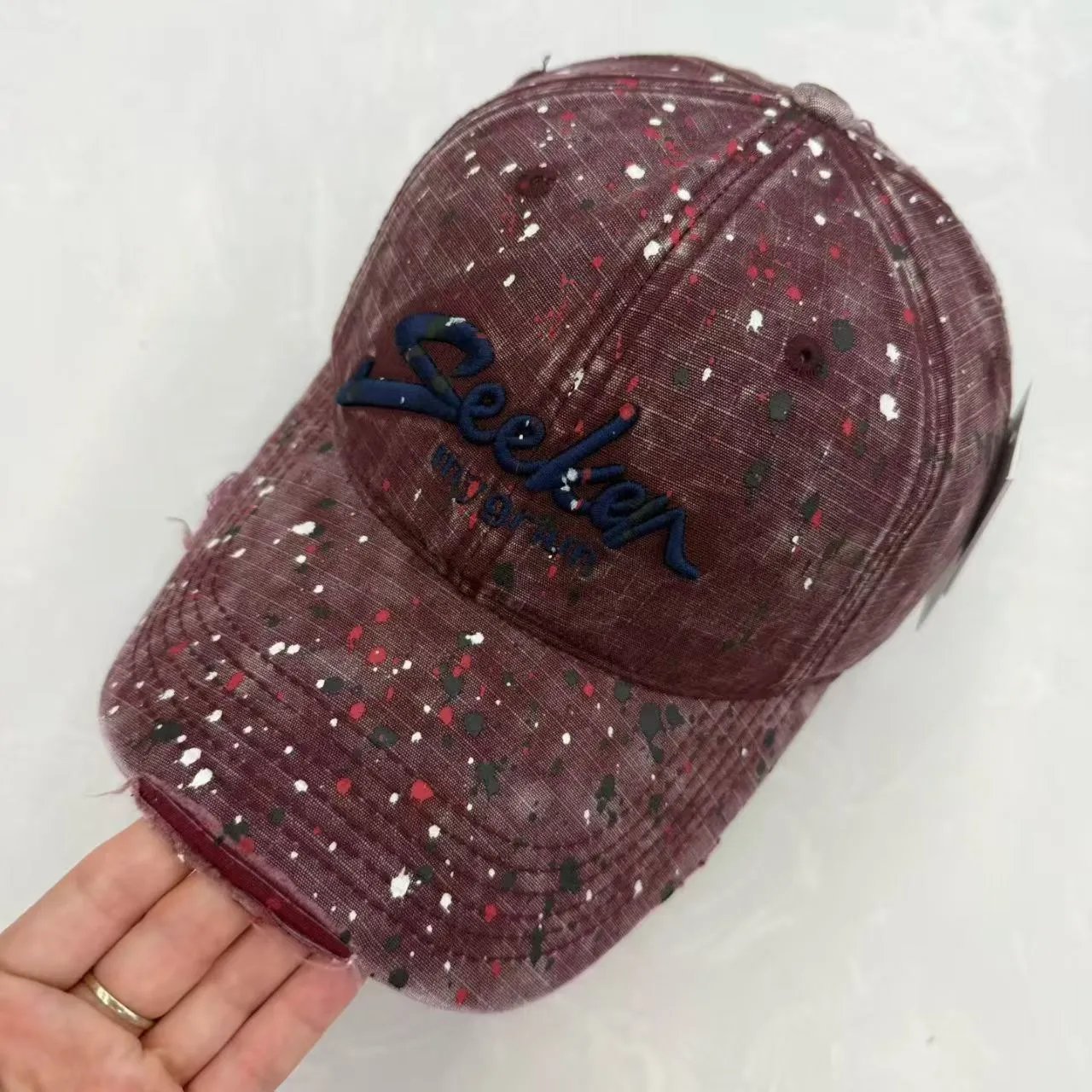
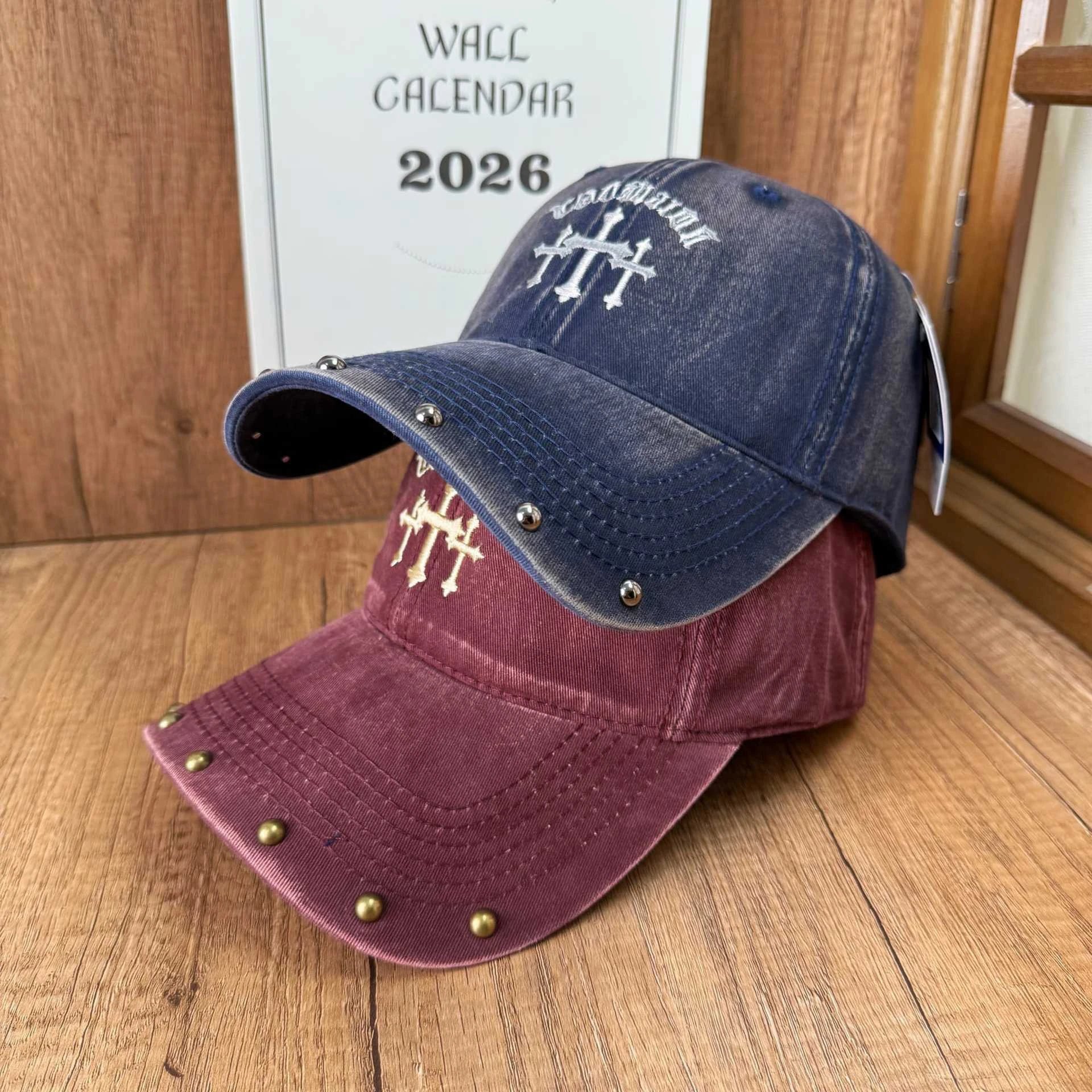
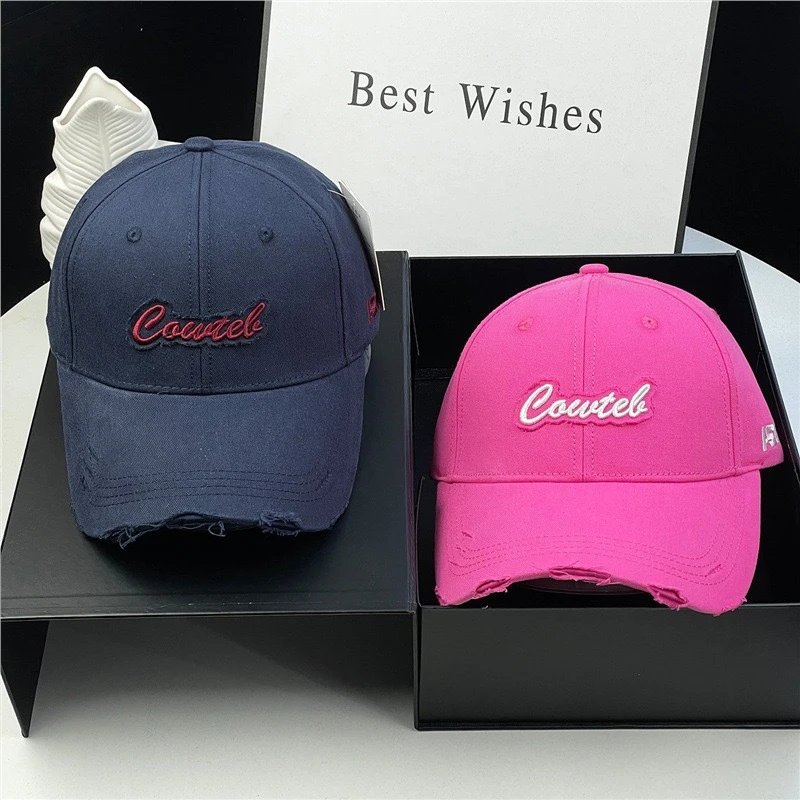
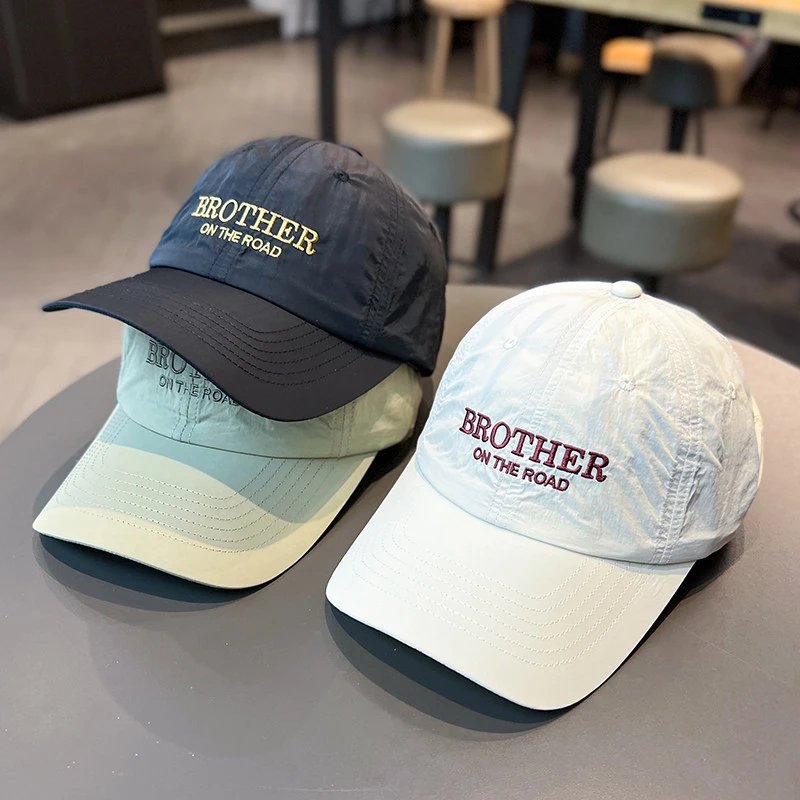
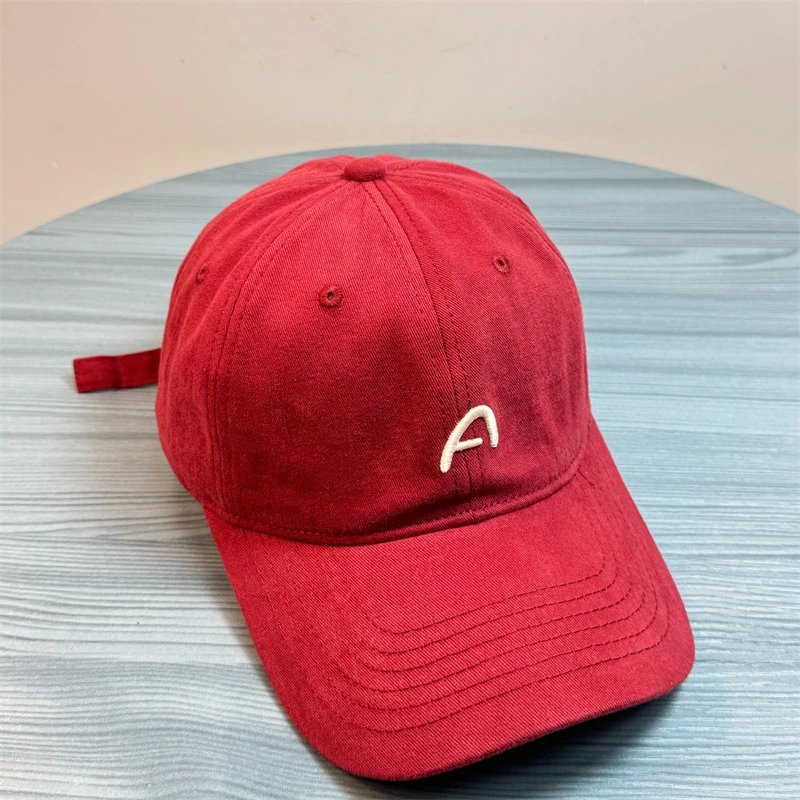
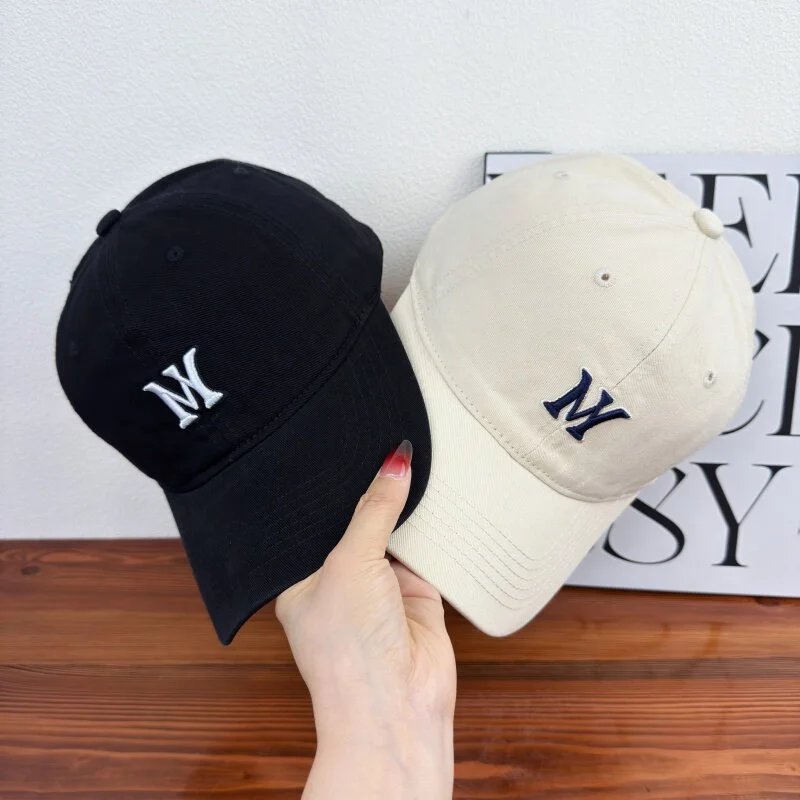
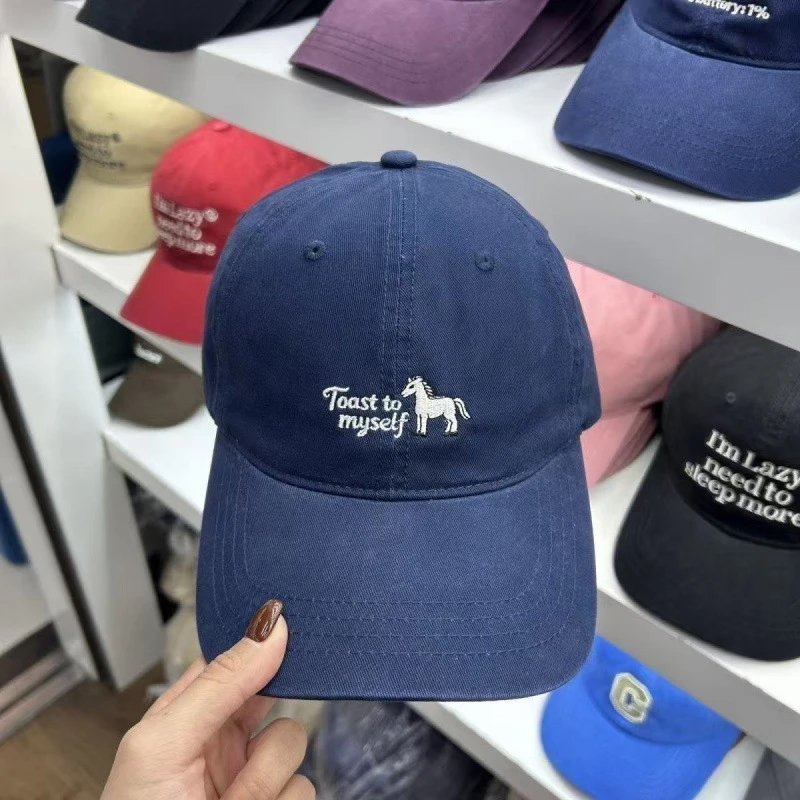
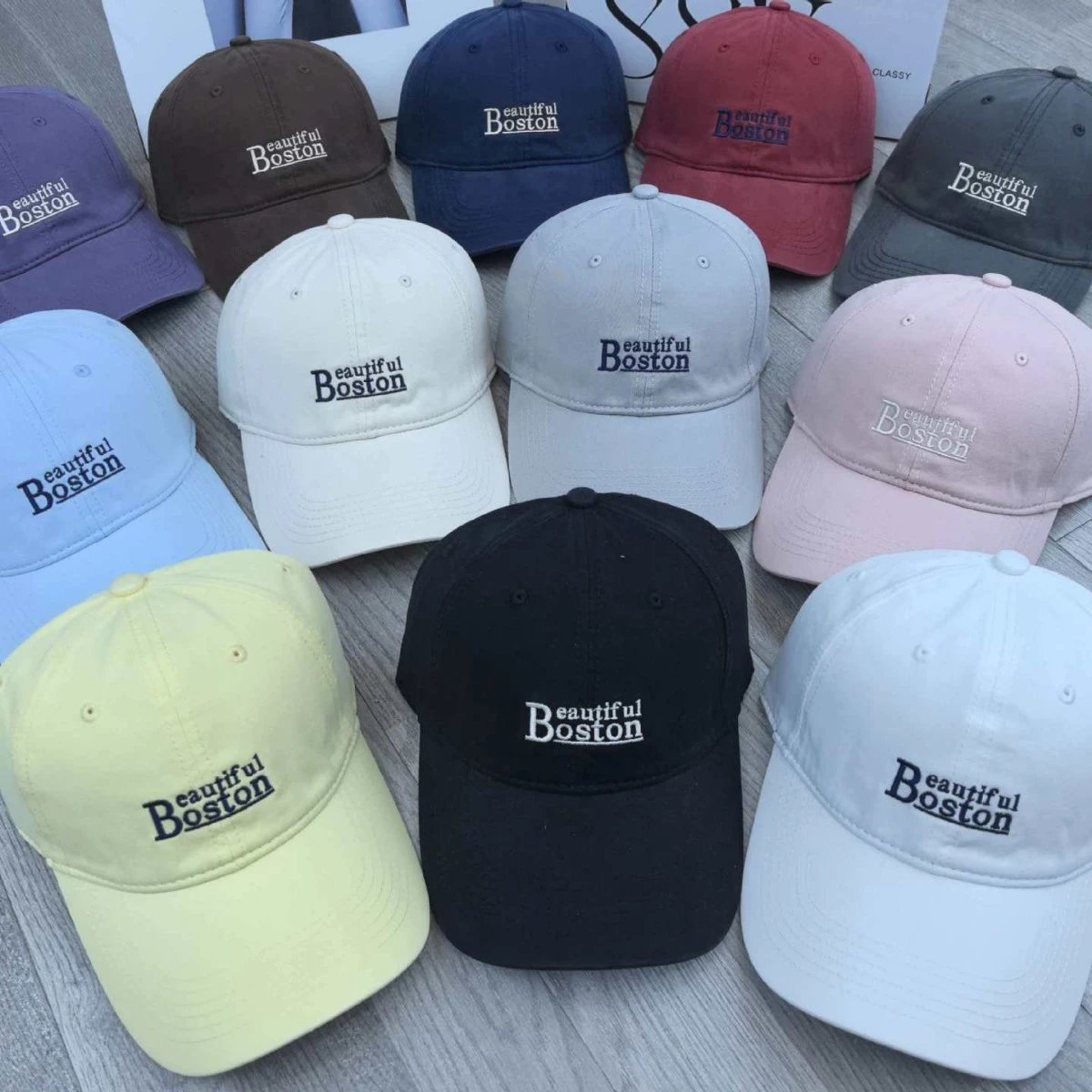
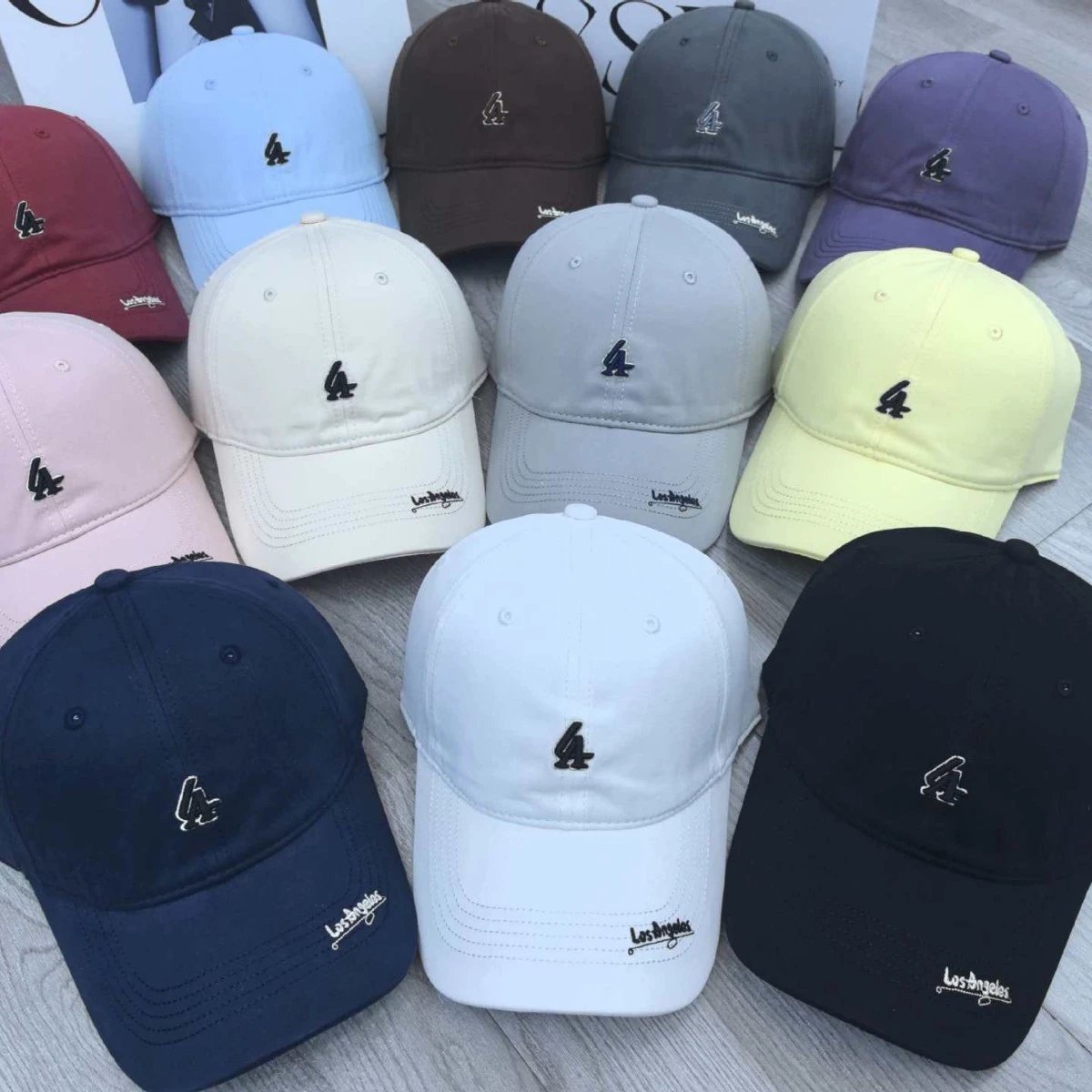
The logo is the whole point of most headwear finds, and it's where batches diverge:
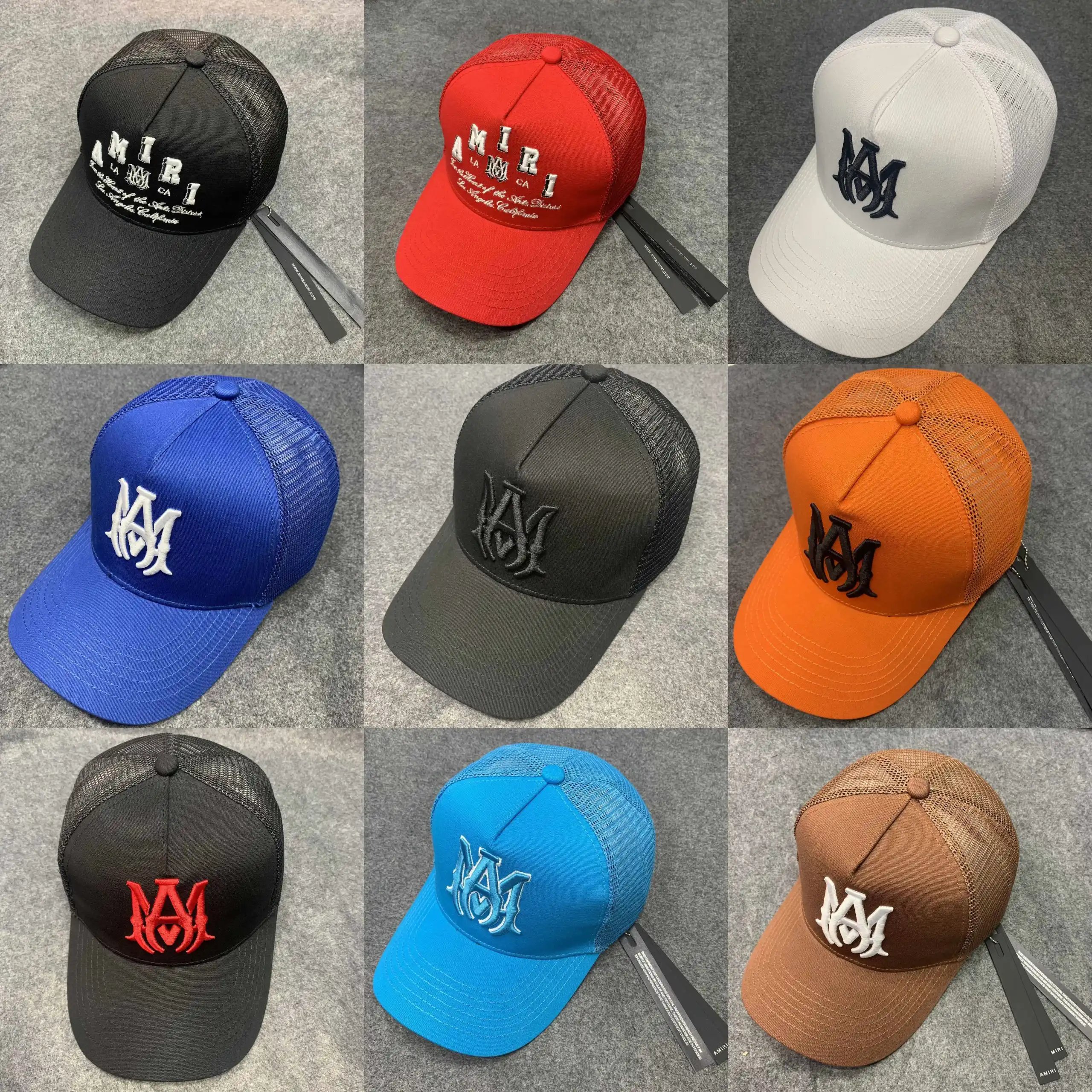
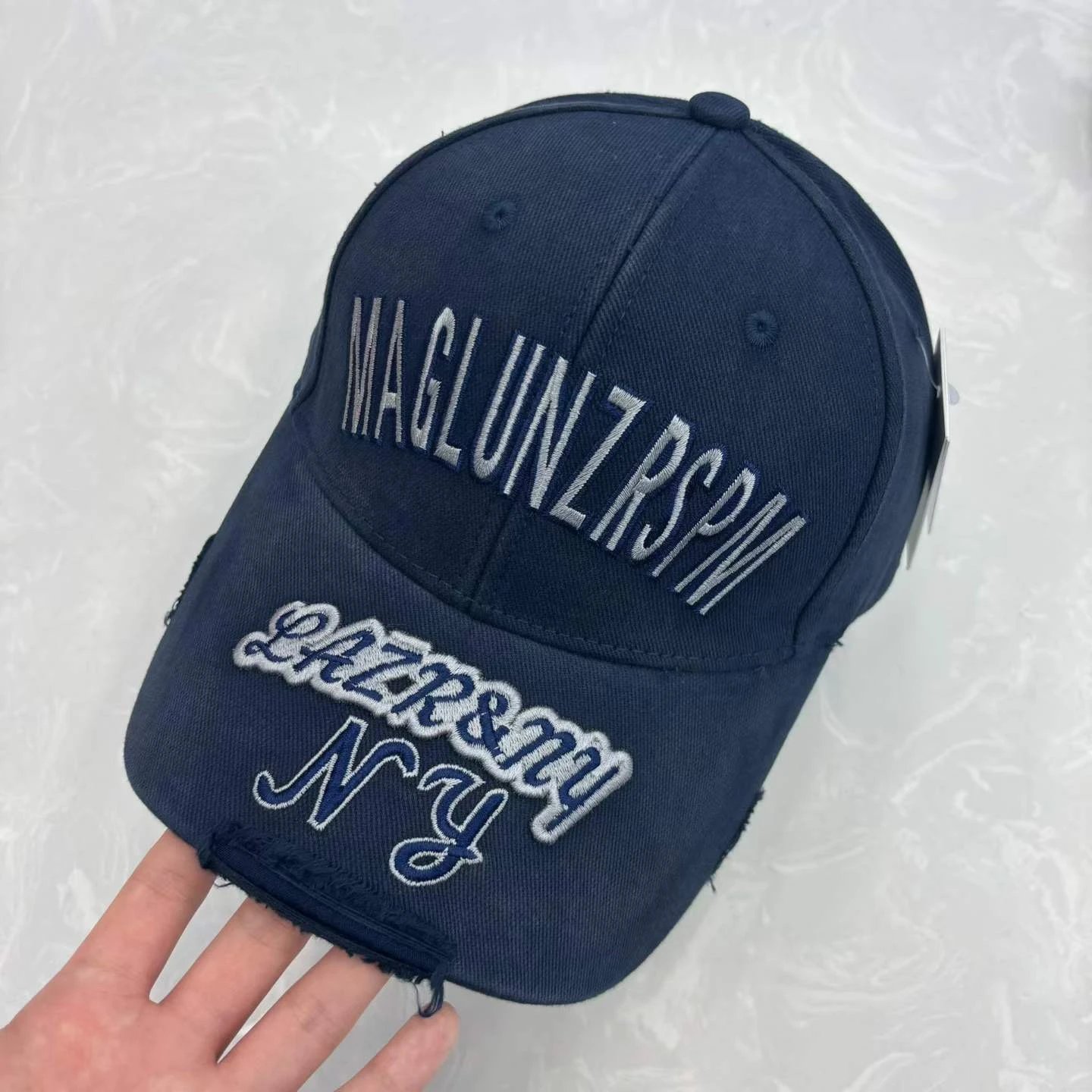
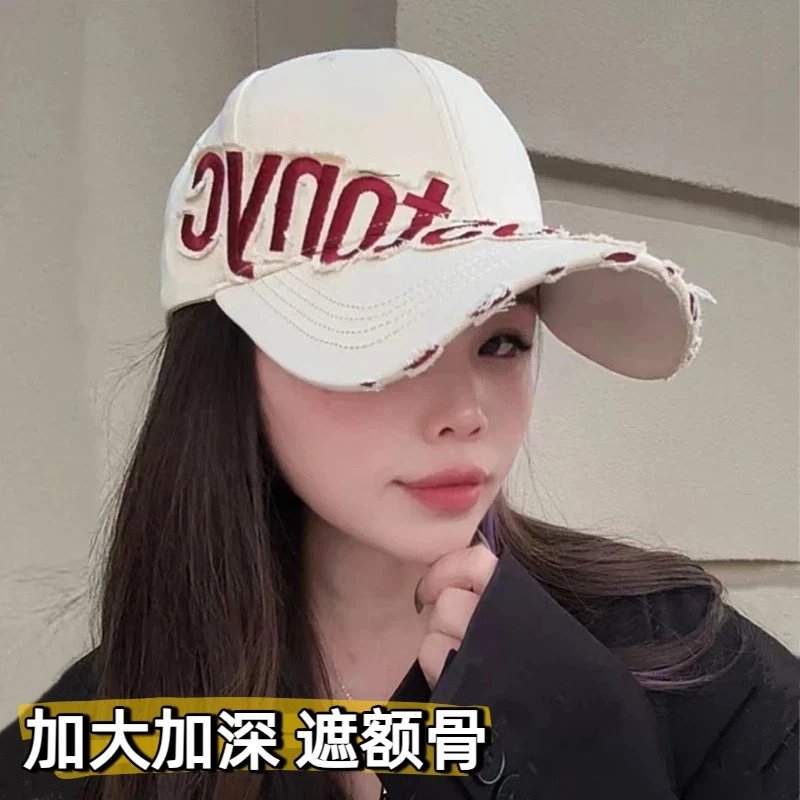
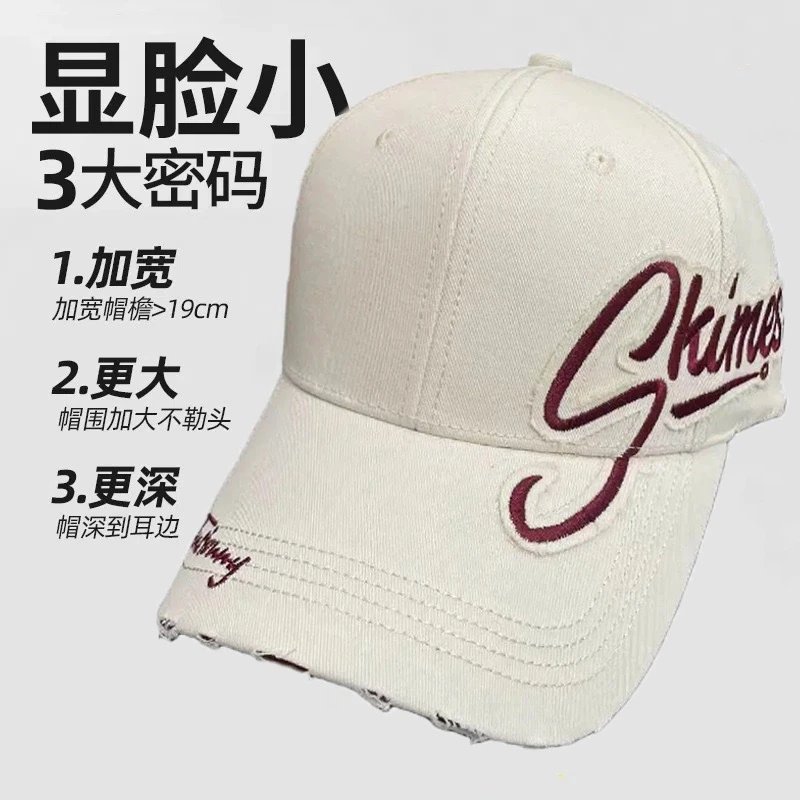
- Embroidery: stitch density should be high and even, letters straight, and thread colour correct. Loose threads, gaps showing the fabric underneath, or wavy lettering signal a weaker batch.
- Placement and size: the logo should sit at the right height and scale — compare against reference photos, since a mis-sized or off-centre logo is the most common tell.
- 3D/puff logos: should be evenly raised and cleanly bordered, not lumpy or flattened.
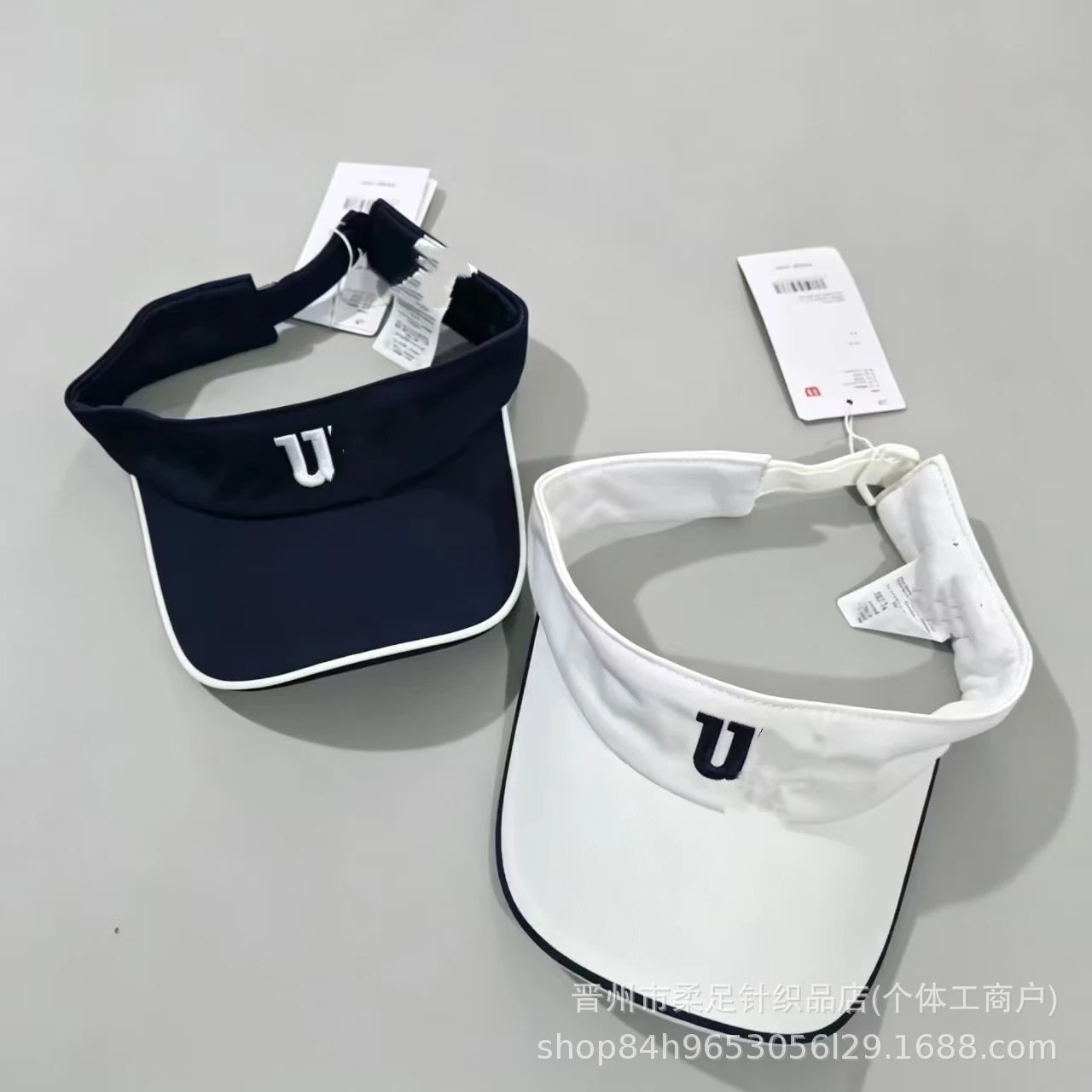
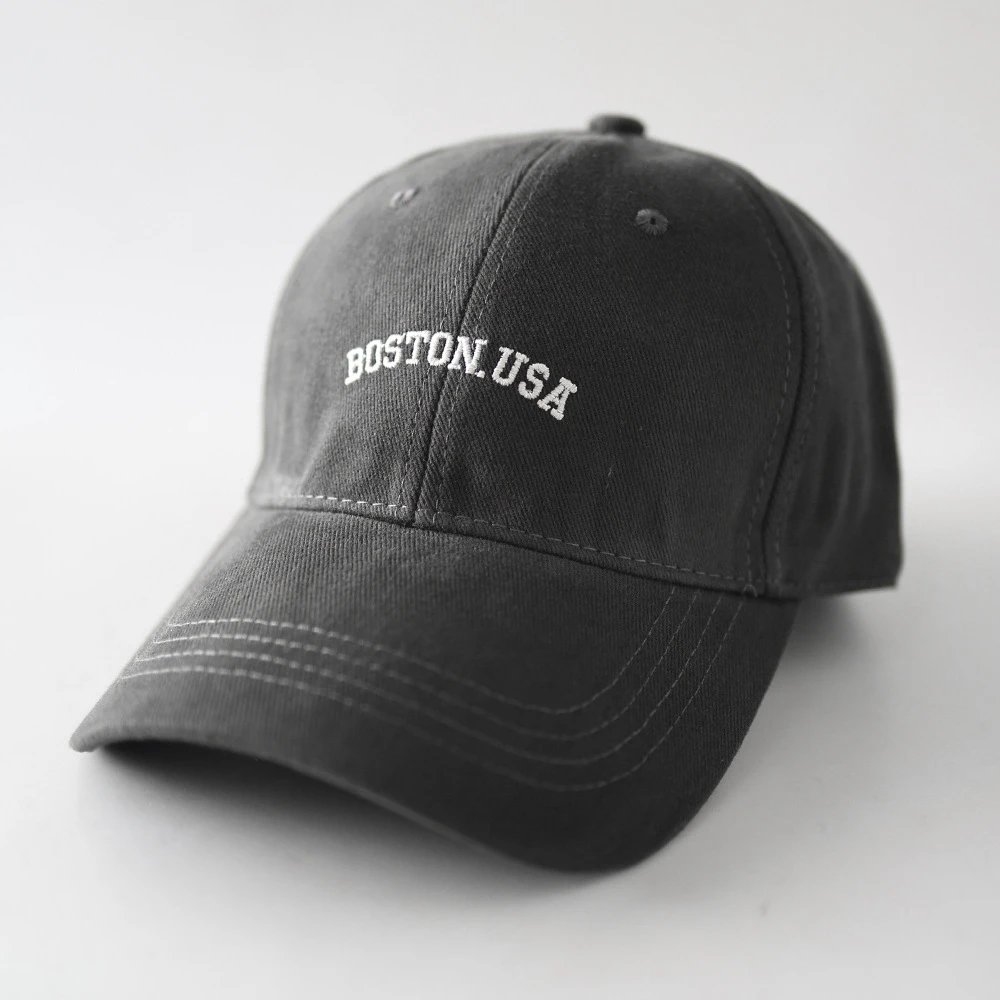
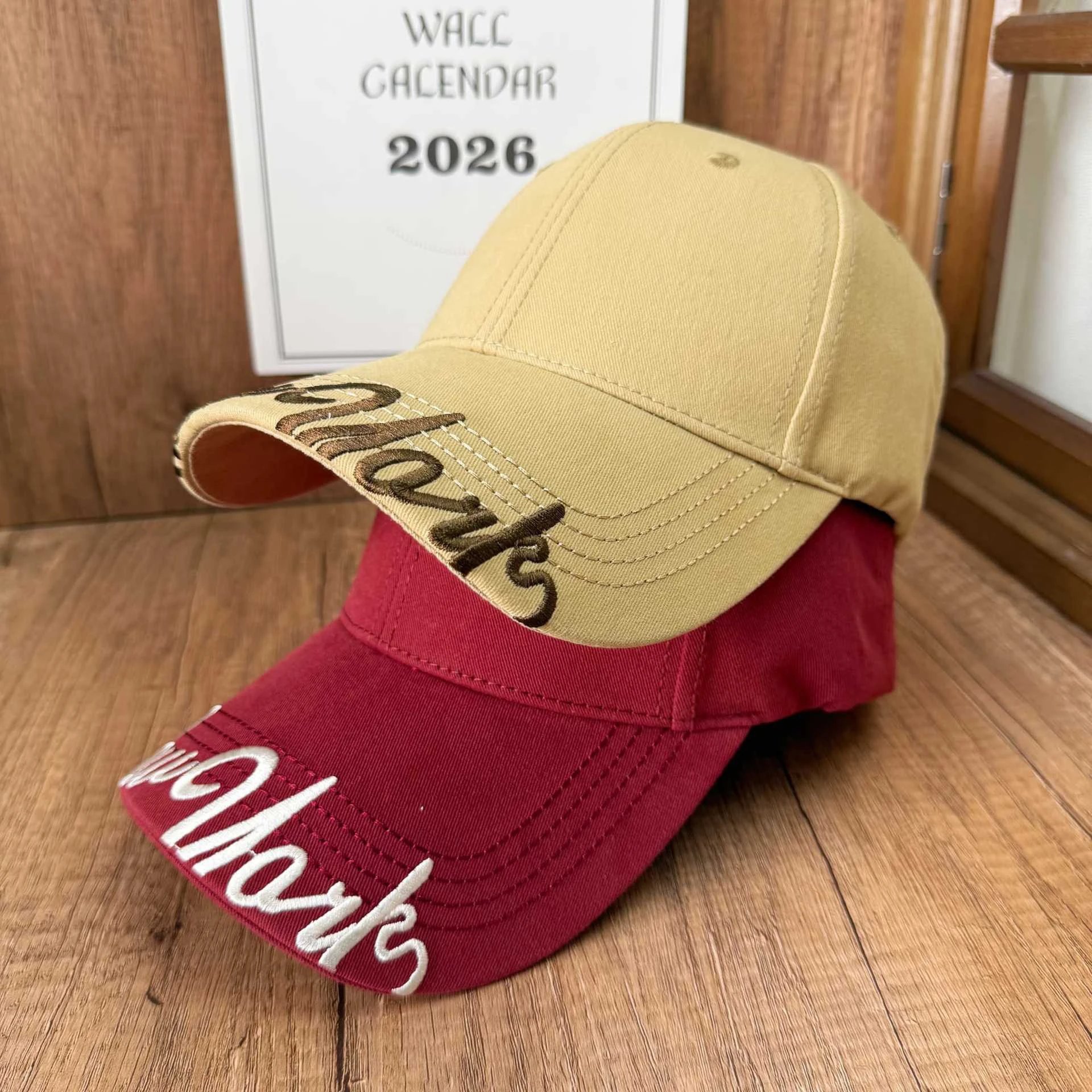
Structure is the second thing to judge. On a structured cap, the front panels should stand up on their own, not collapse; the brim should be flat or curved to match the style, and hold its shape rather than feeling floppy. Check the button on top, the eyelets, and that the adjustable strap or snap hardware looks clean and correctly branded. On beanies, look for a dense, even knit and a cuff that folds neatly.
Ask your Litbuy QC note to shoot the front logo square-on and the cap from the side so you can judge crown height and brim curve. A good Weidian headwear seller shows exactly these angles by default, states whether a cap is structured or unstructured, and answers a batch question honestly. Stock-only images or a dodged version question are your cue to check other listings of the same find on the spreadsheet.
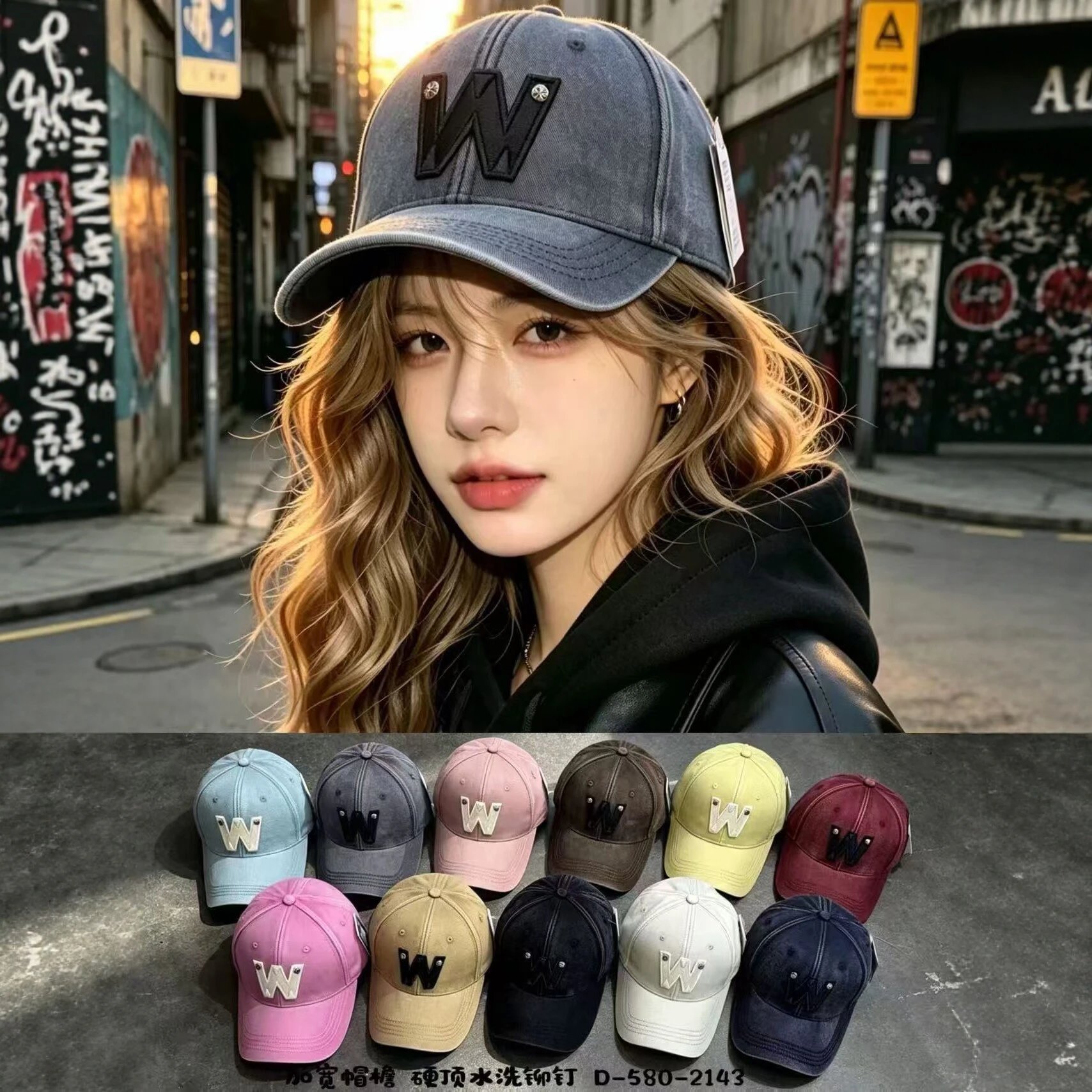
Colours shift under store lighting, so judge shade loosely and defects strictly. Caps are light and easy to add to a larger Litbuy parcel. In-stock colours, batches and pricing change between restocks, so trust the live listing and the seller's current reply over an older spreadsheet row.