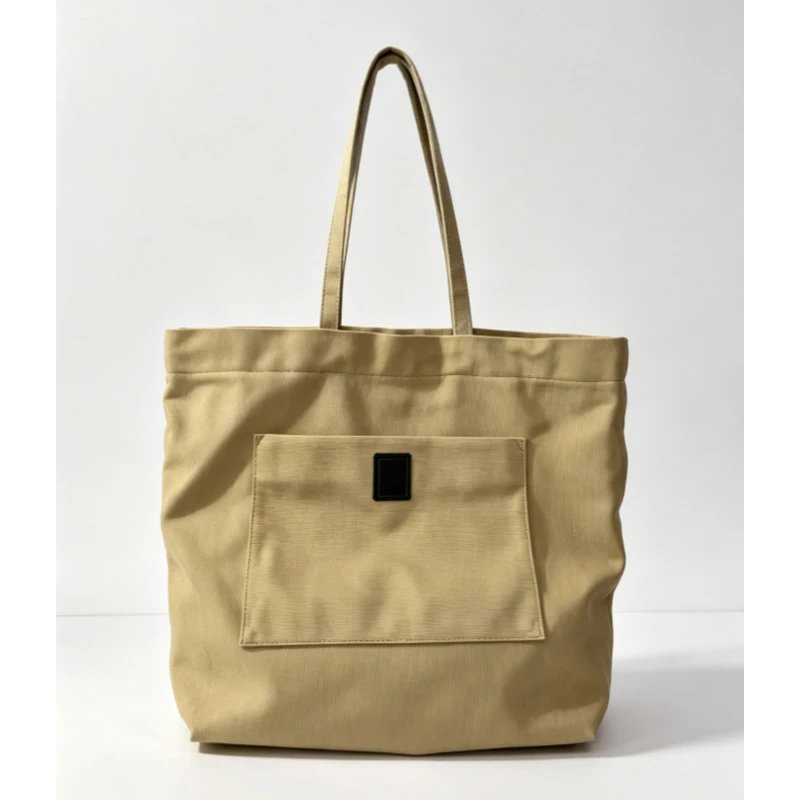
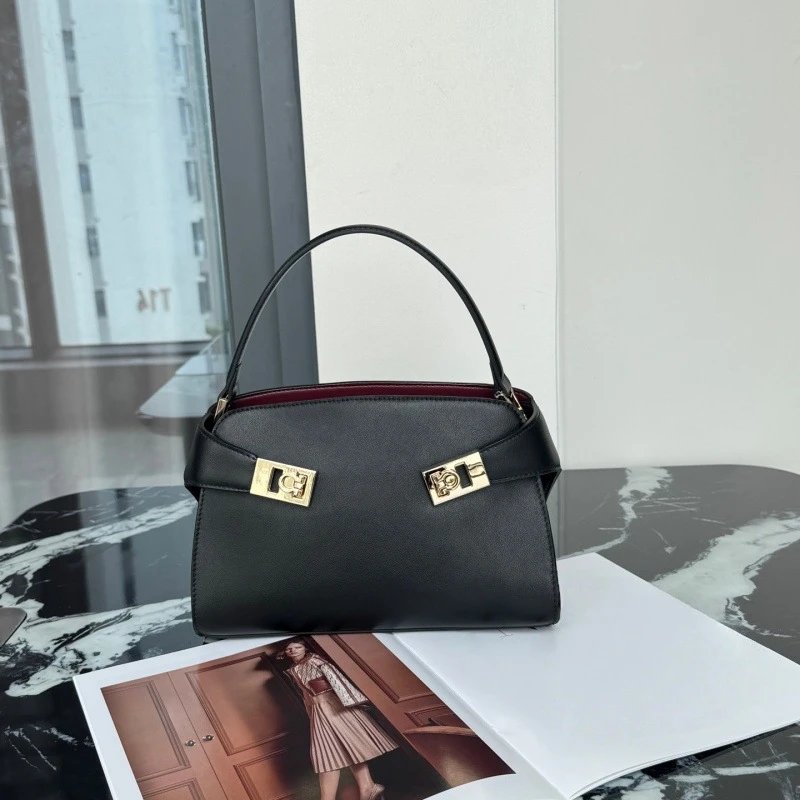
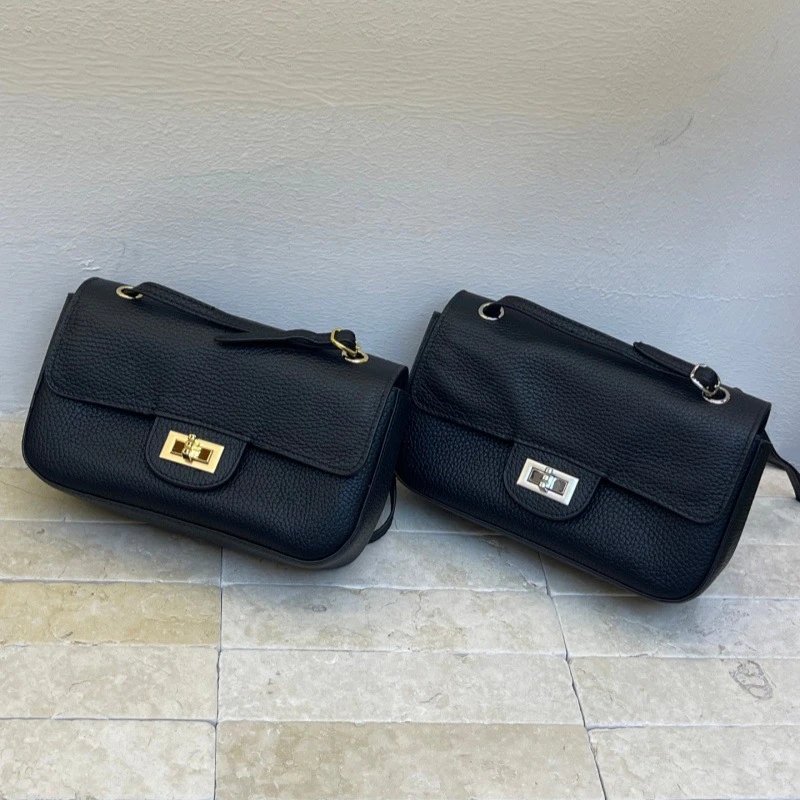
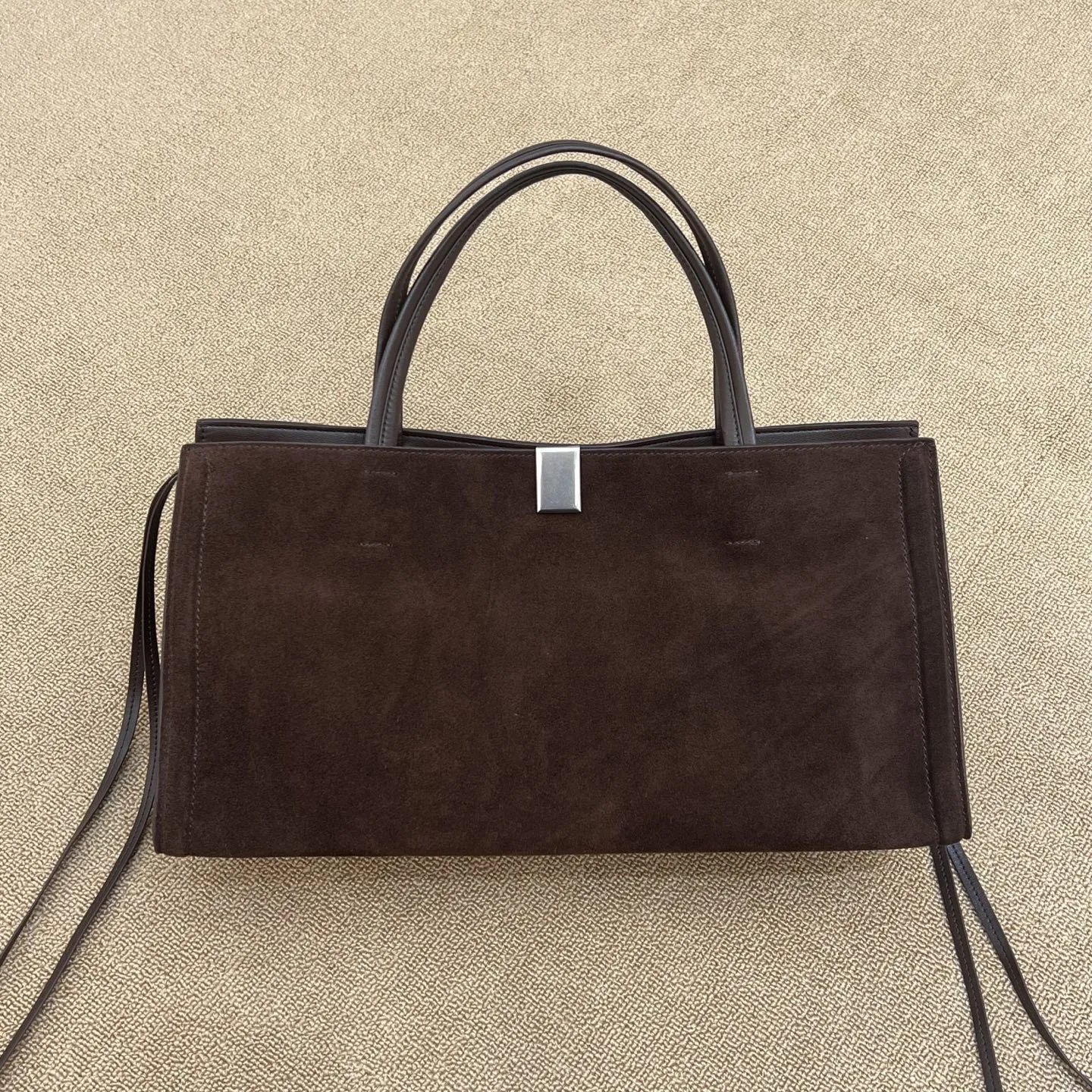
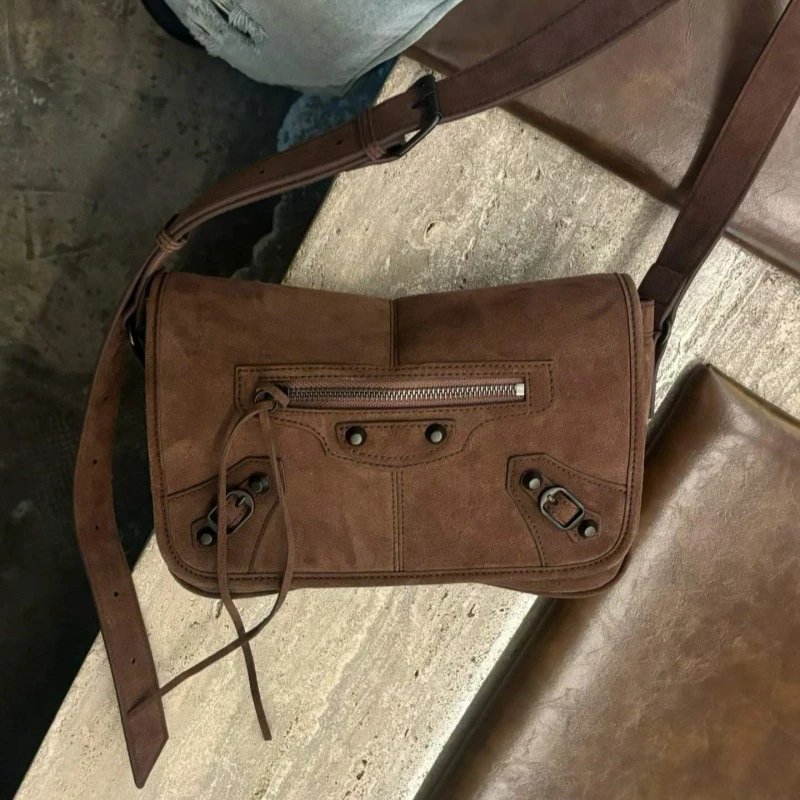
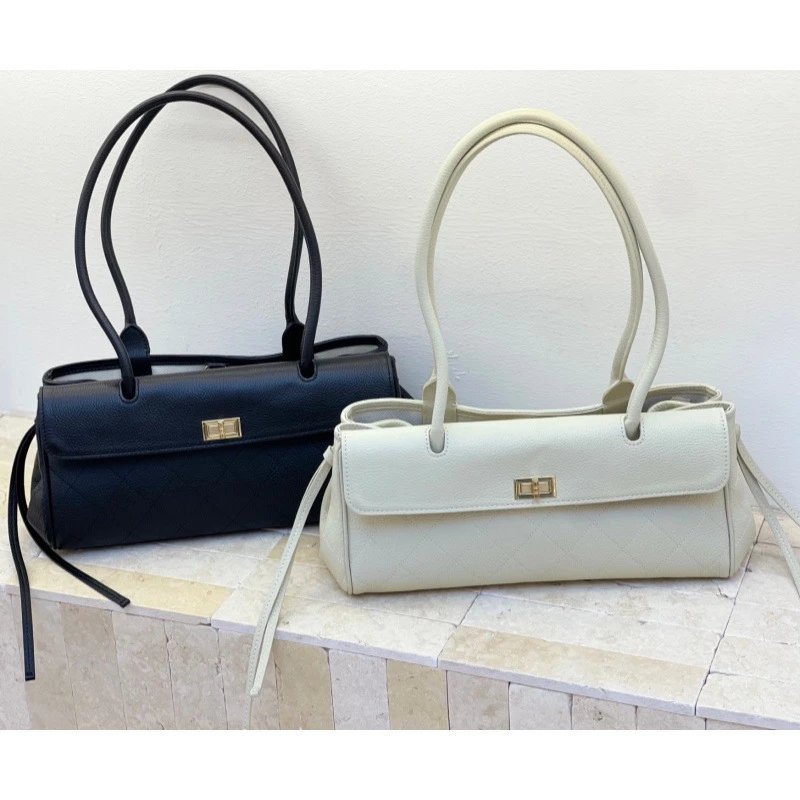
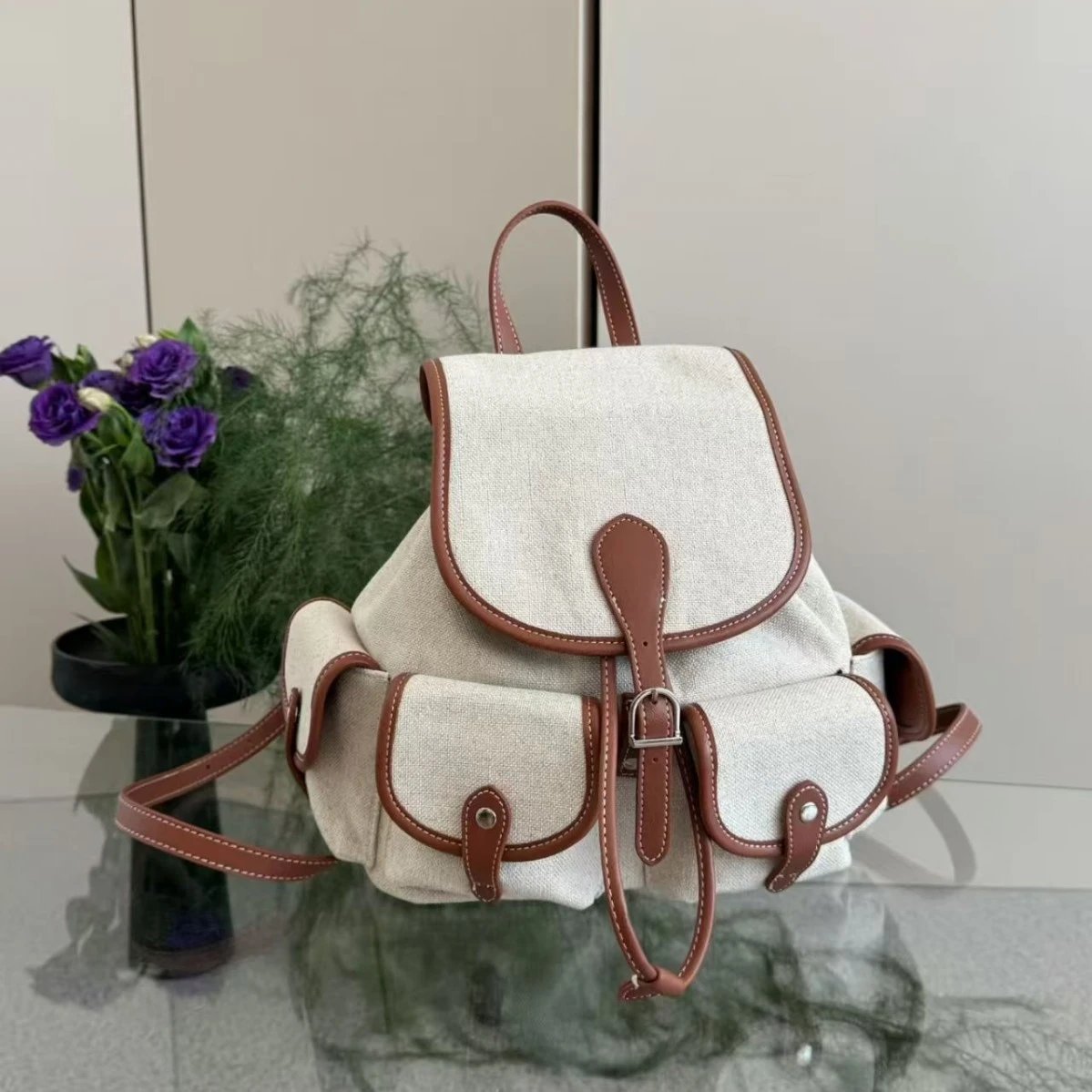
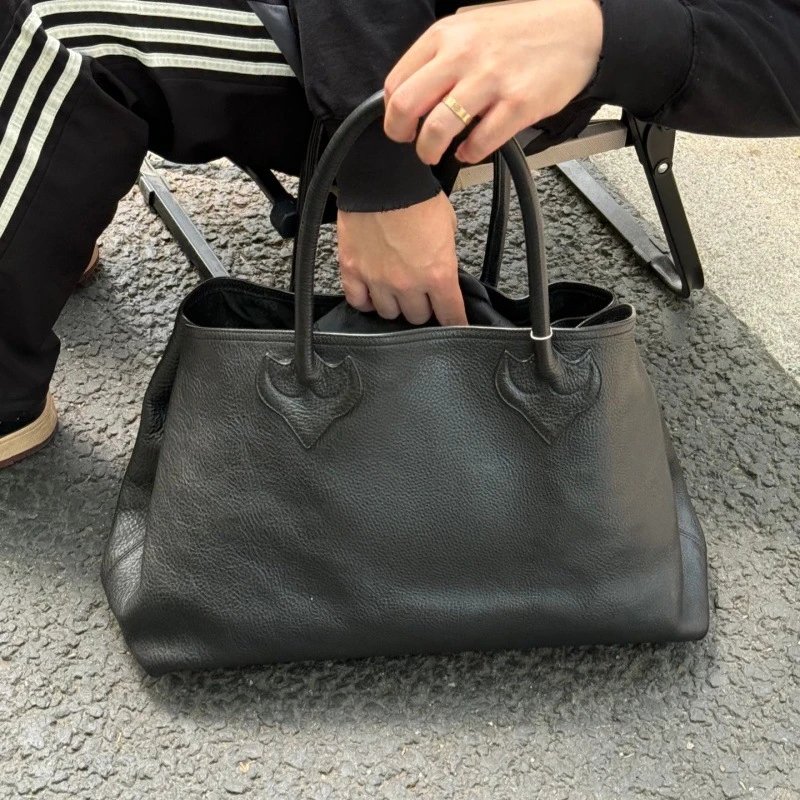
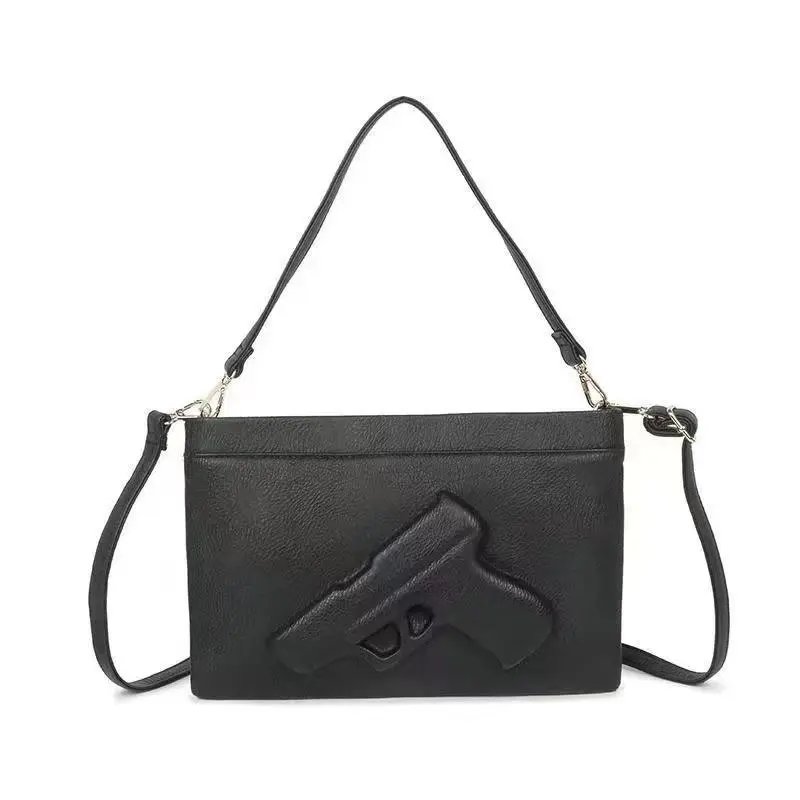
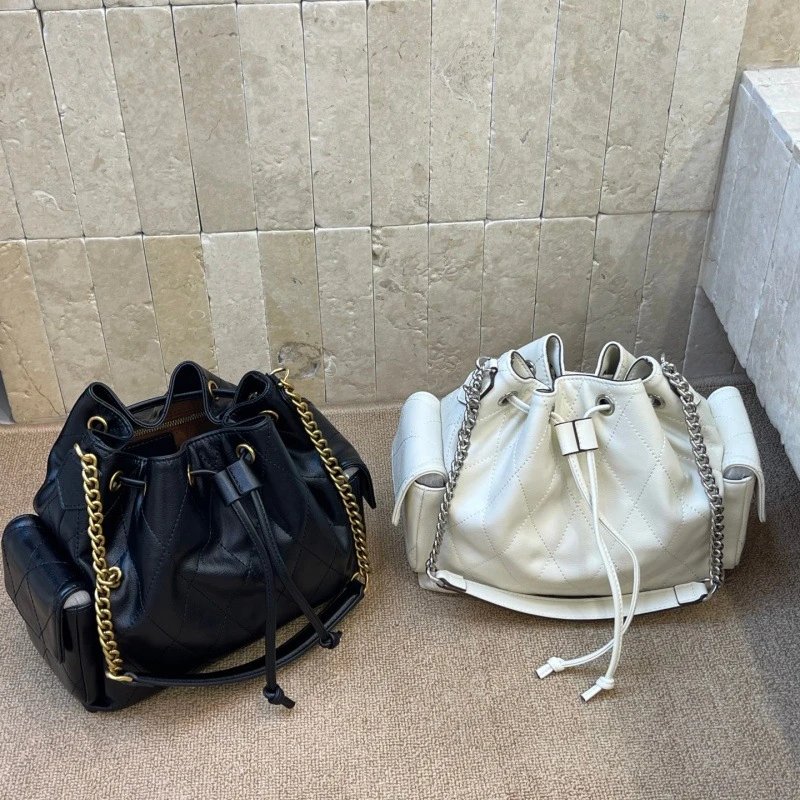
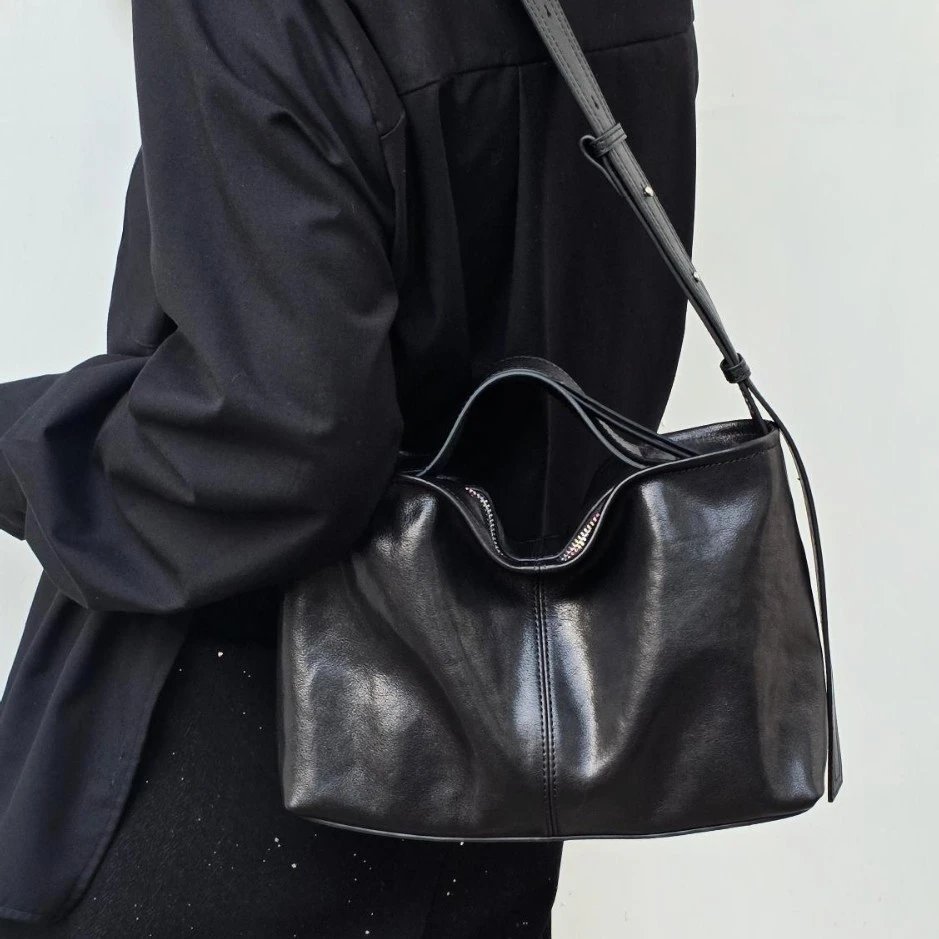
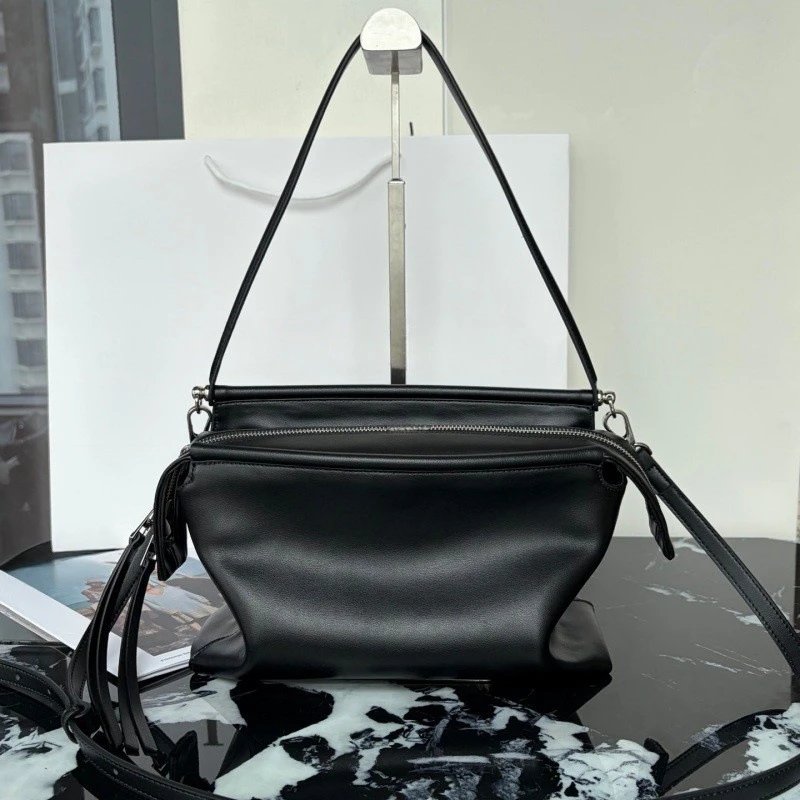
Bags on Litbuy: Hardware, Leather and Honest Dimensions
Direct answer: bags reward the most careful QC of any category — judge the hardware, the leather or fabric, the lining and stitching, and always cross-check the real dimensions against the listing, because a bag that's the wrong size or has cheap hardware disappoints instantly. This is where a discerning eye and a good Weidian seller pay off most.
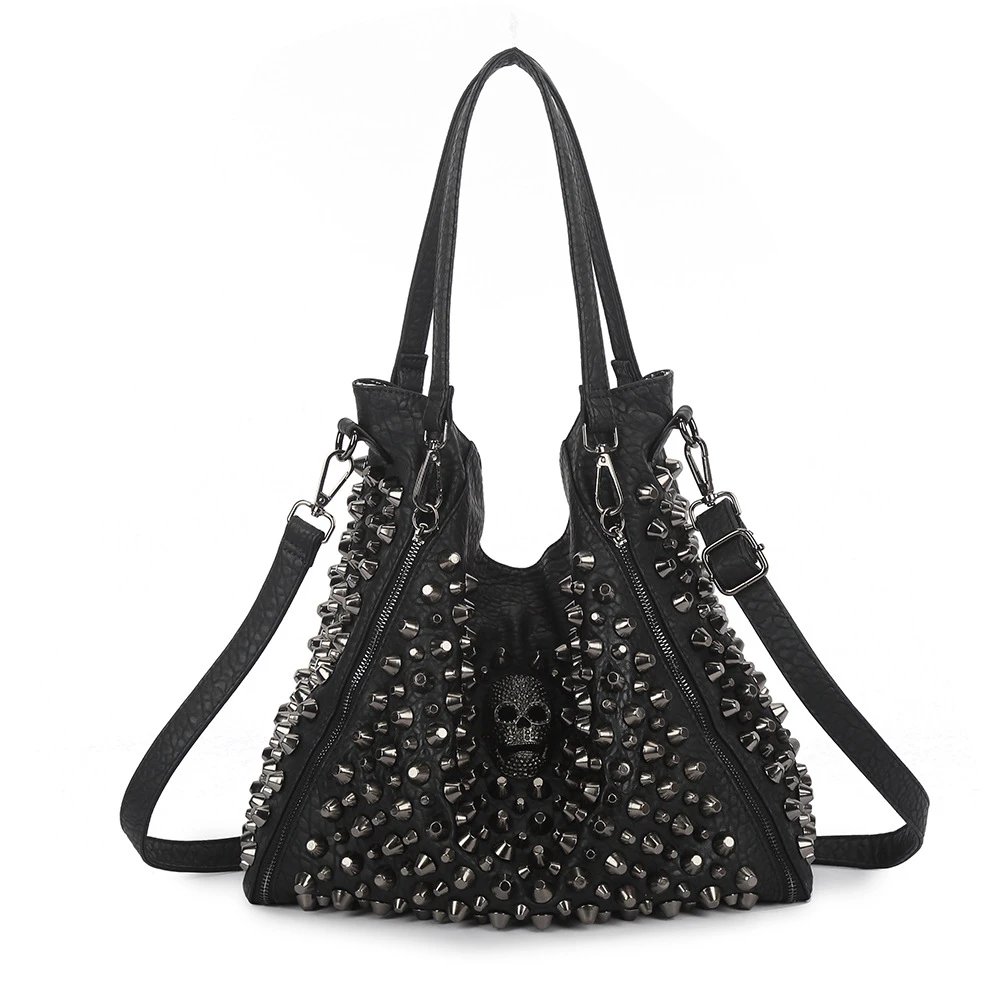
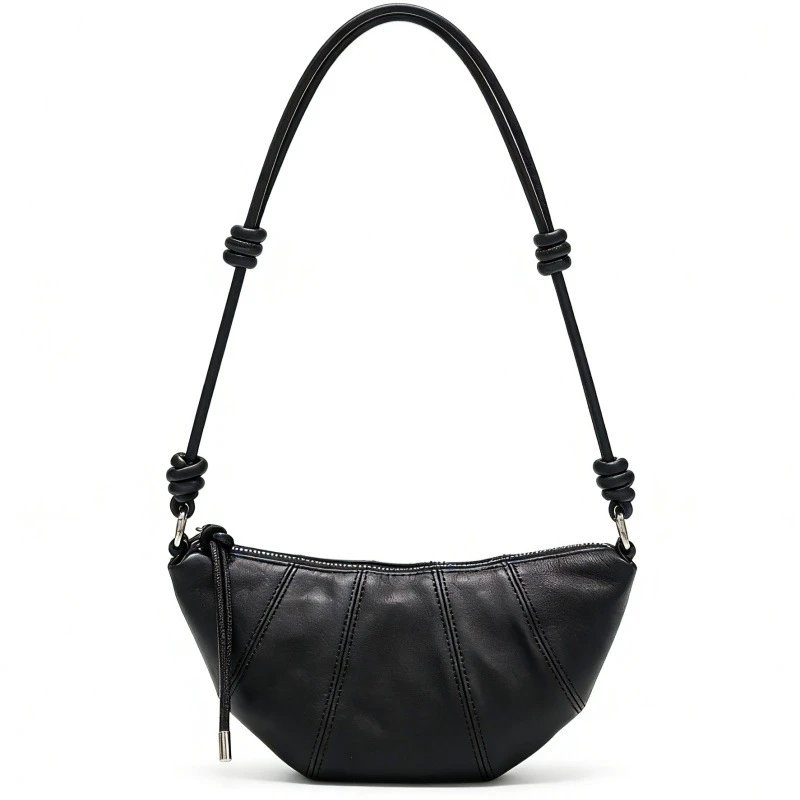
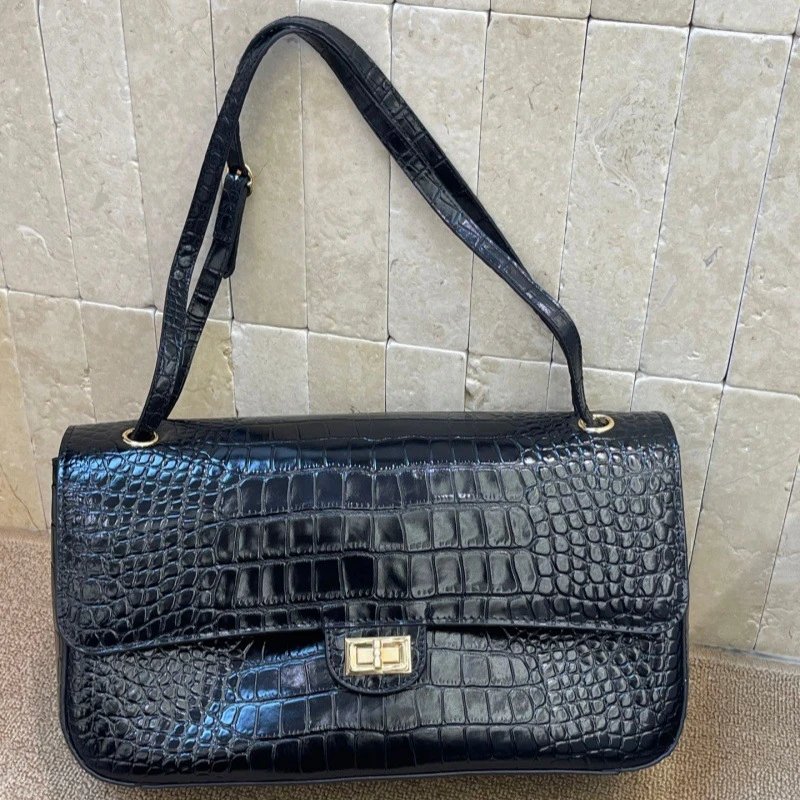
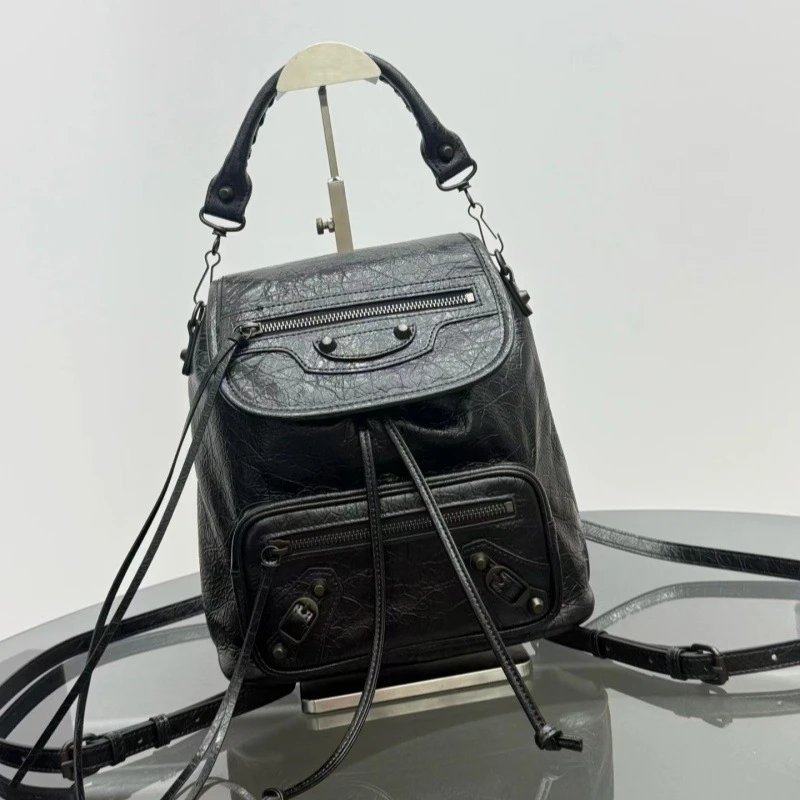
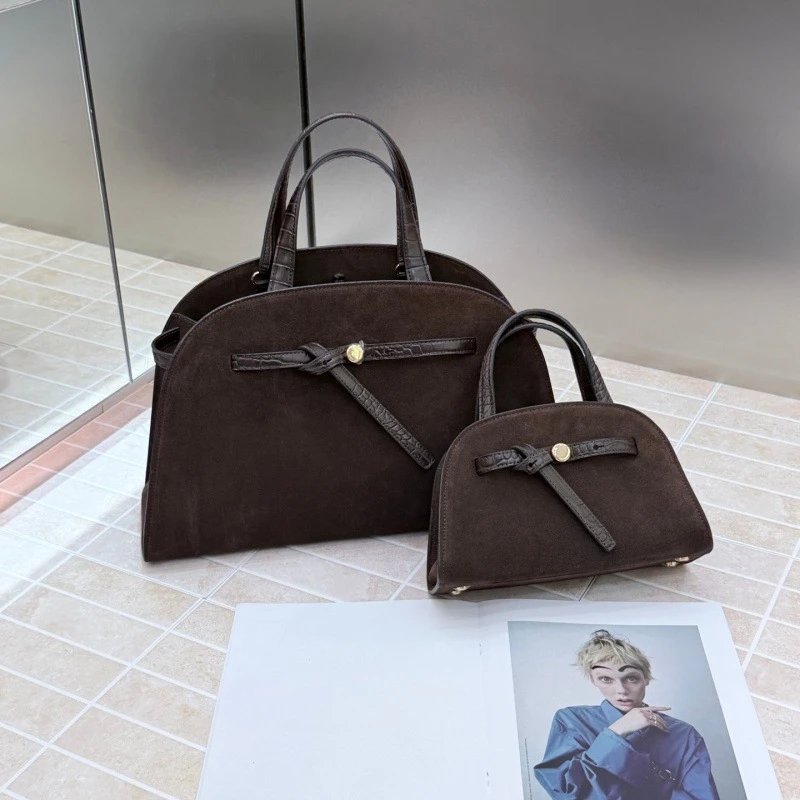
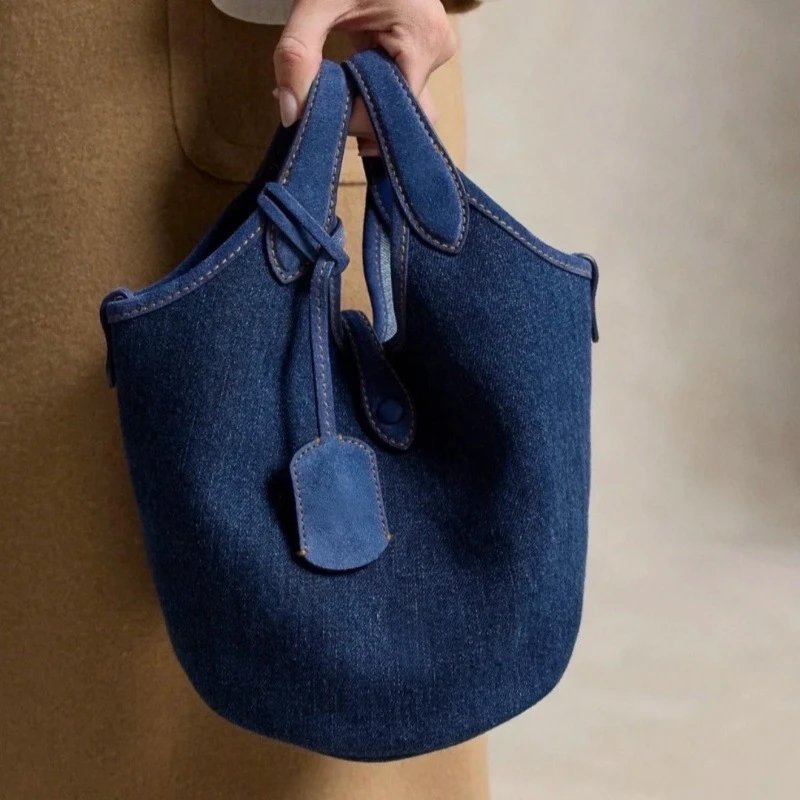
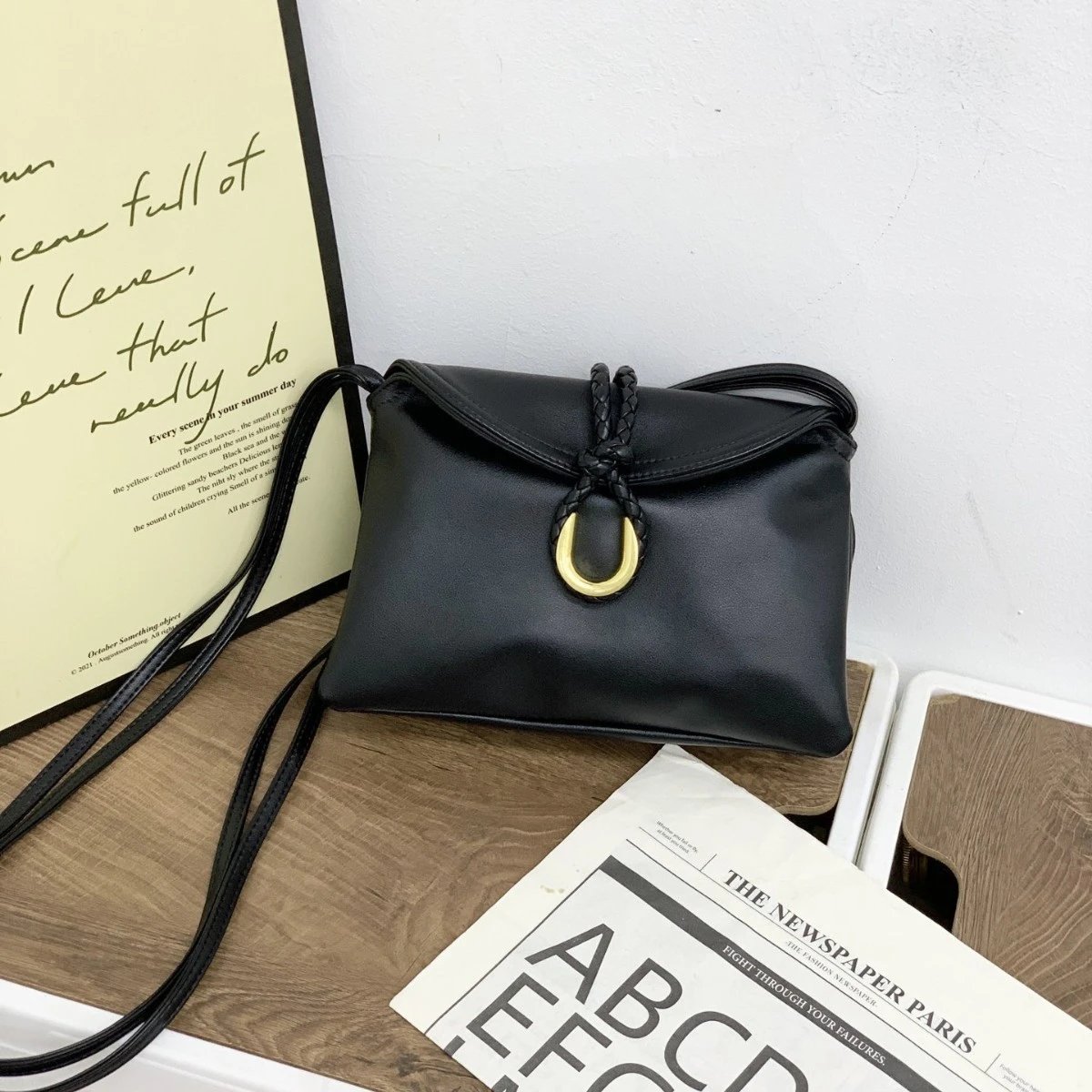
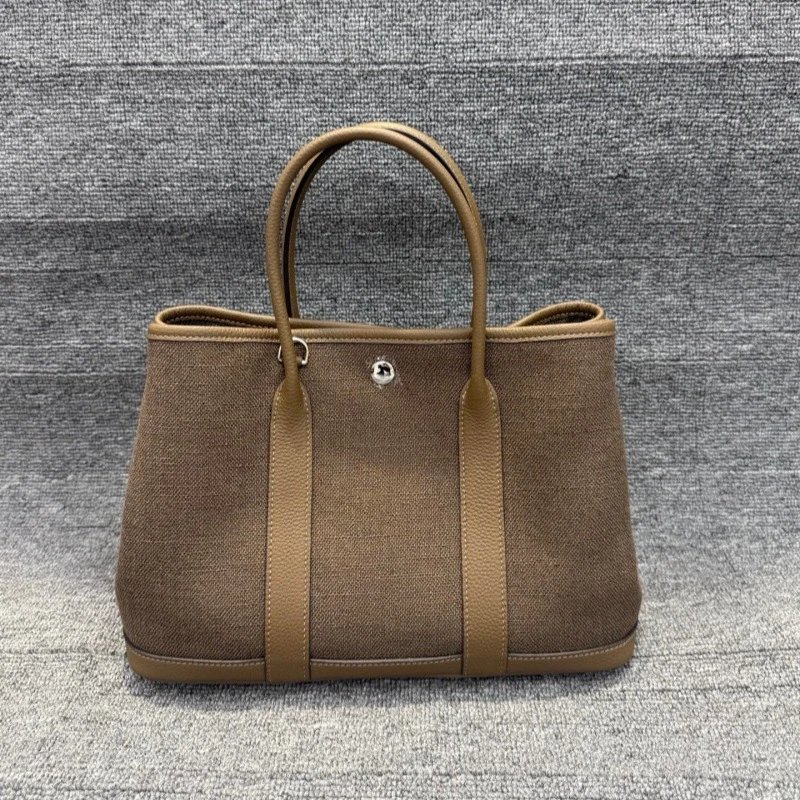
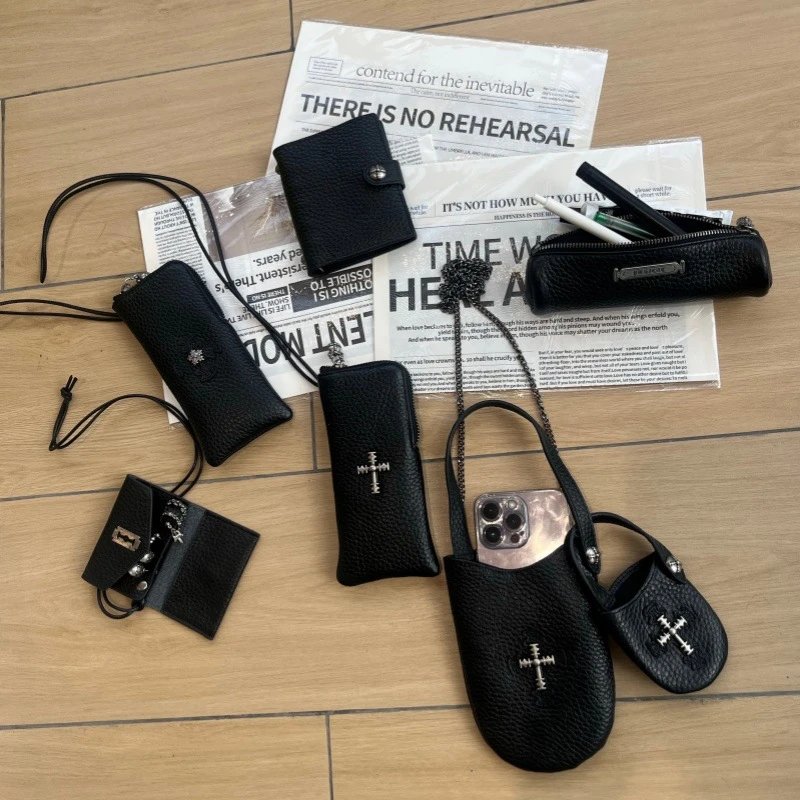
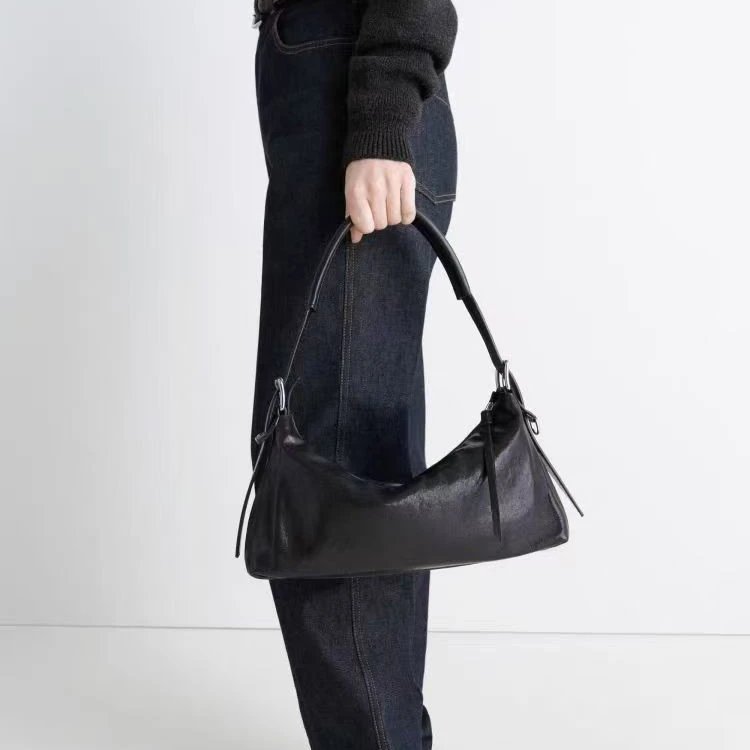
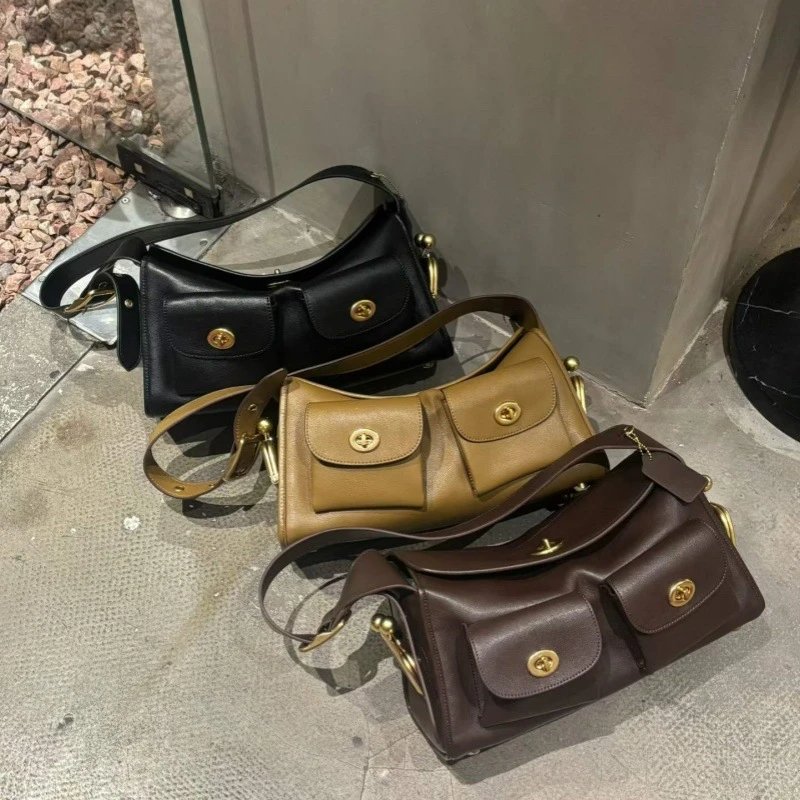
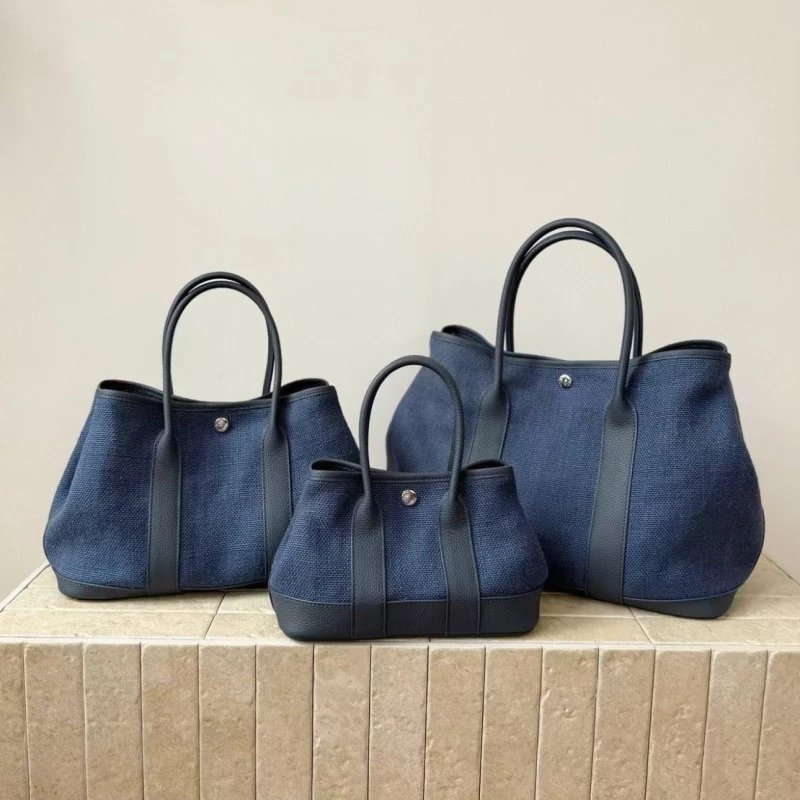
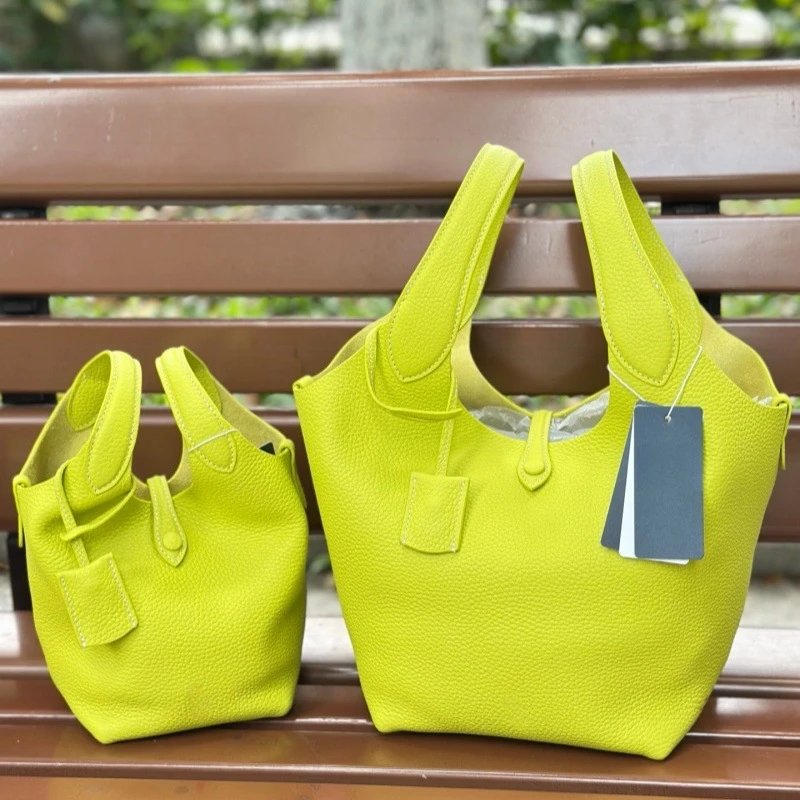
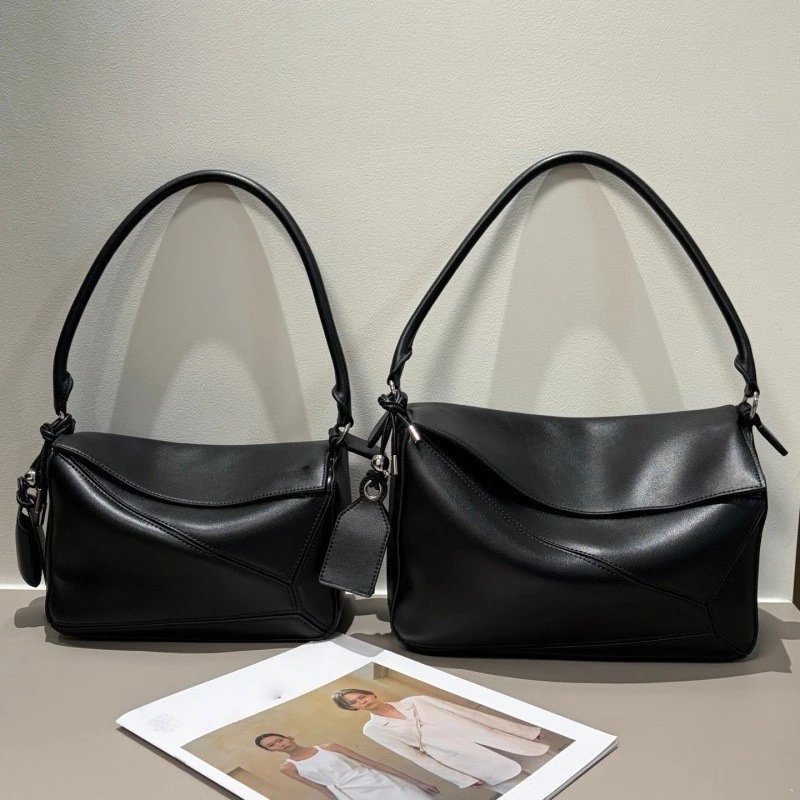
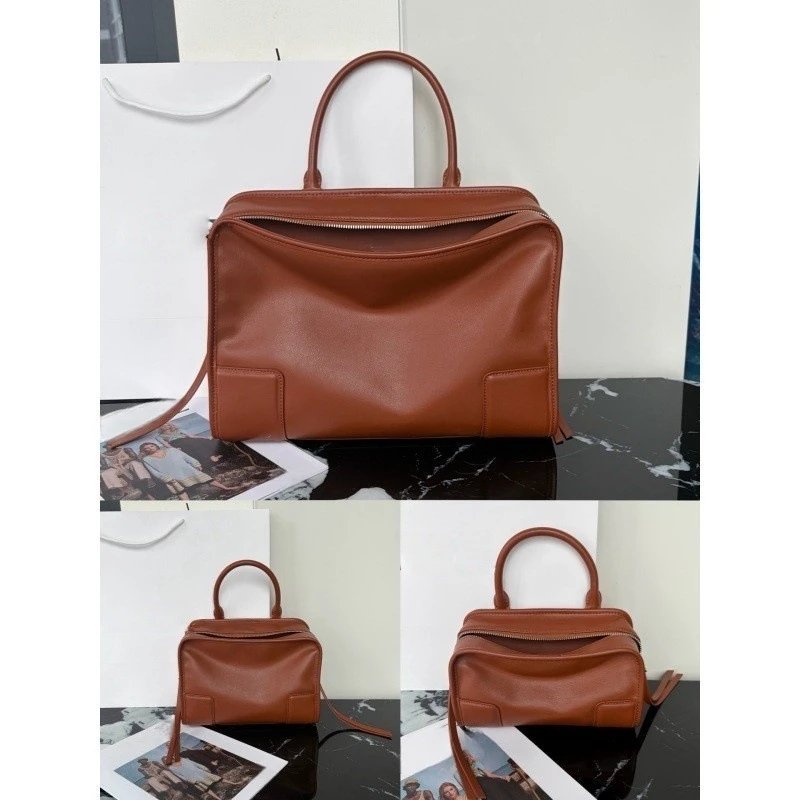
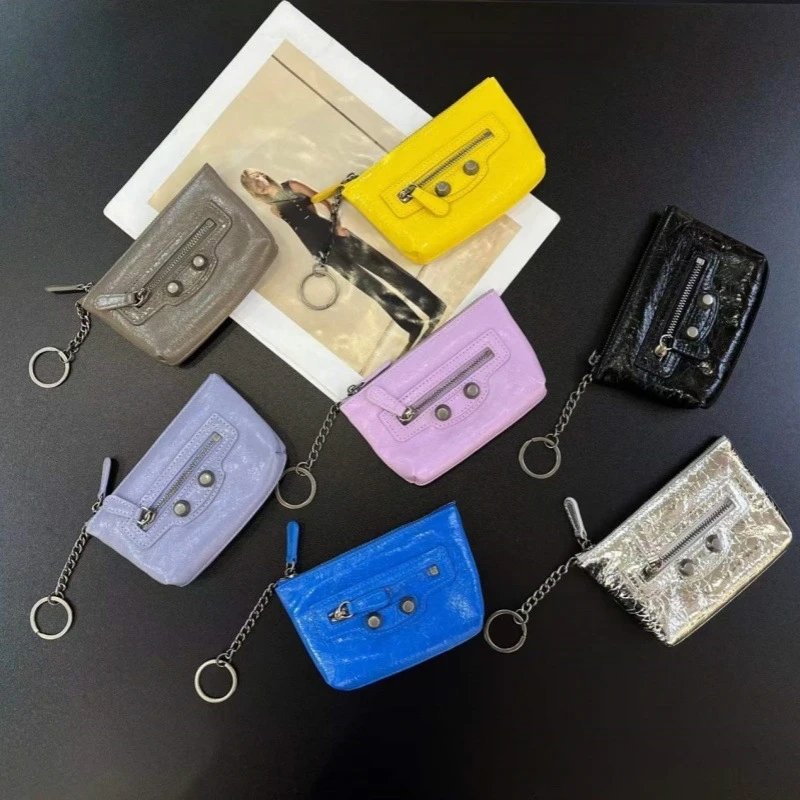
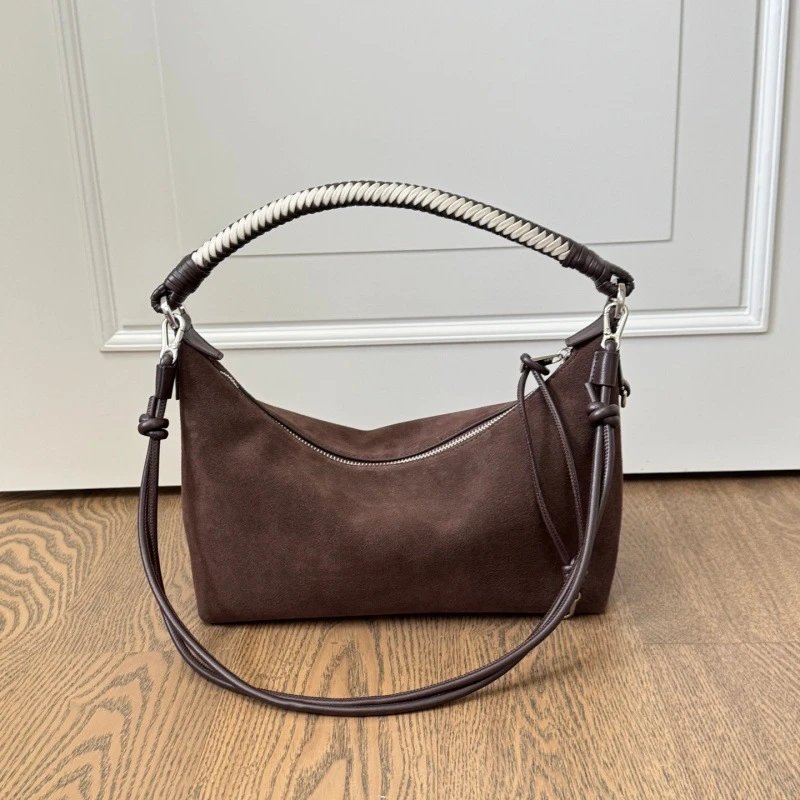
Hardware is the first tell of a batch's quality. In QC photos, zippers should run smoothly with a solid, correctly branded pull; clasps, buckles and feet should feel substantial with even plating and no scratches or bubbling. Cheap, lightweight or unevenly plated hardware is the clearest sign of a rougher version, and it's the part that fails first in daily use.
Then work through the build:
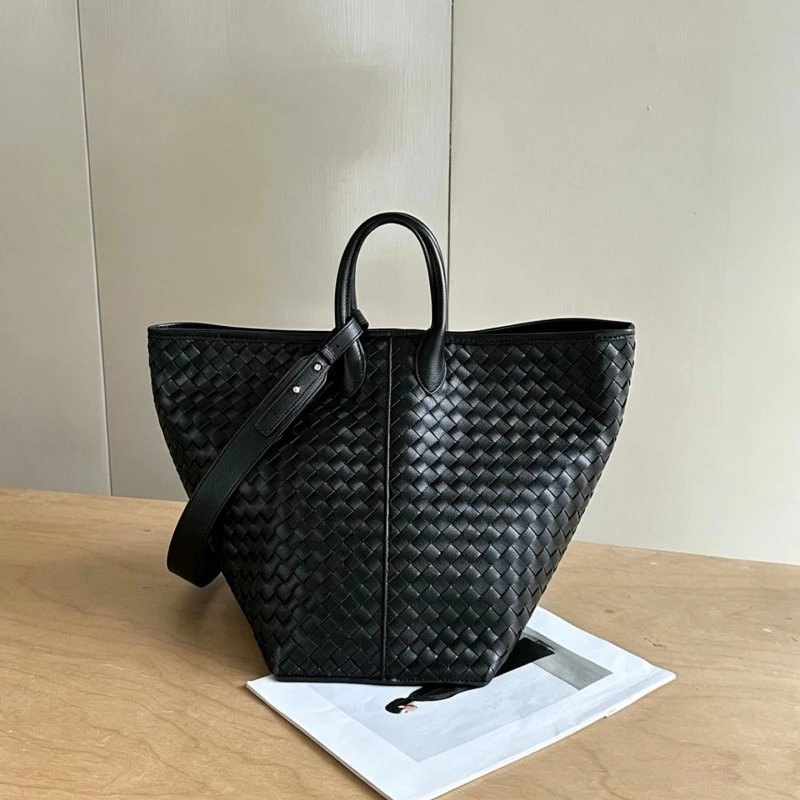
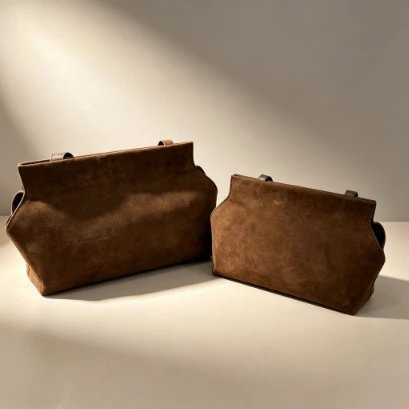
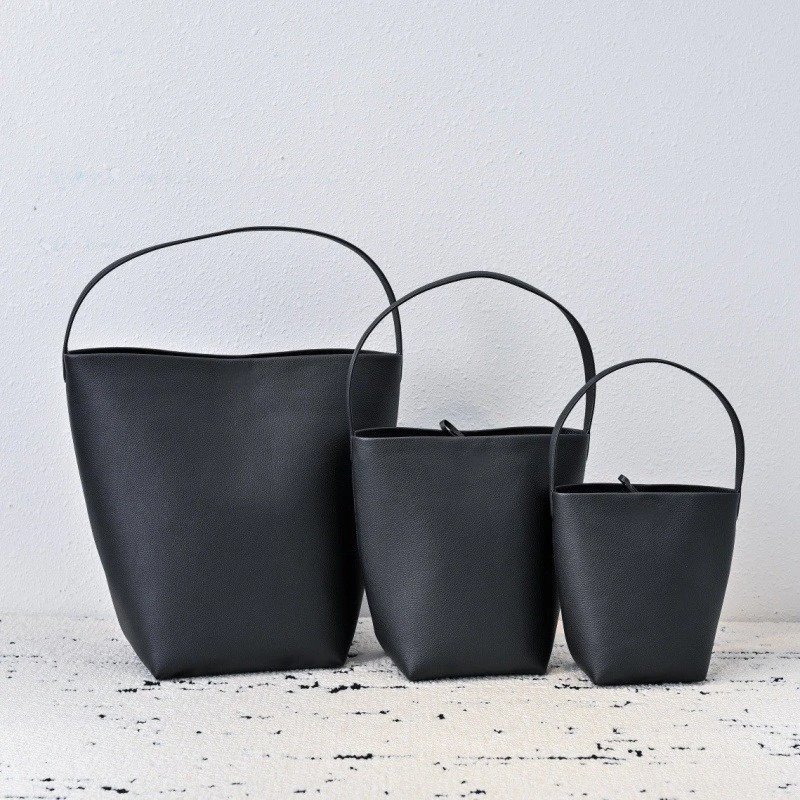
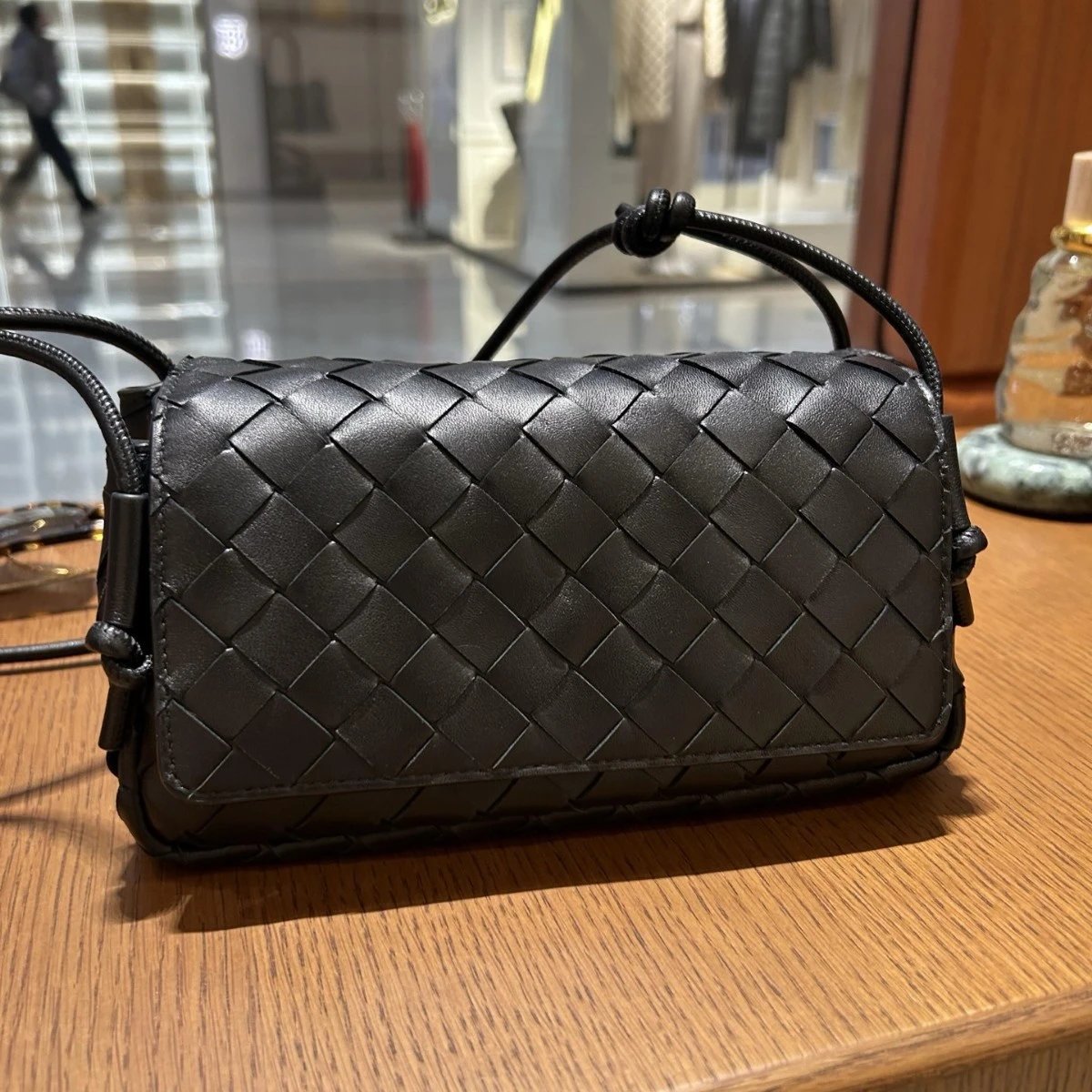
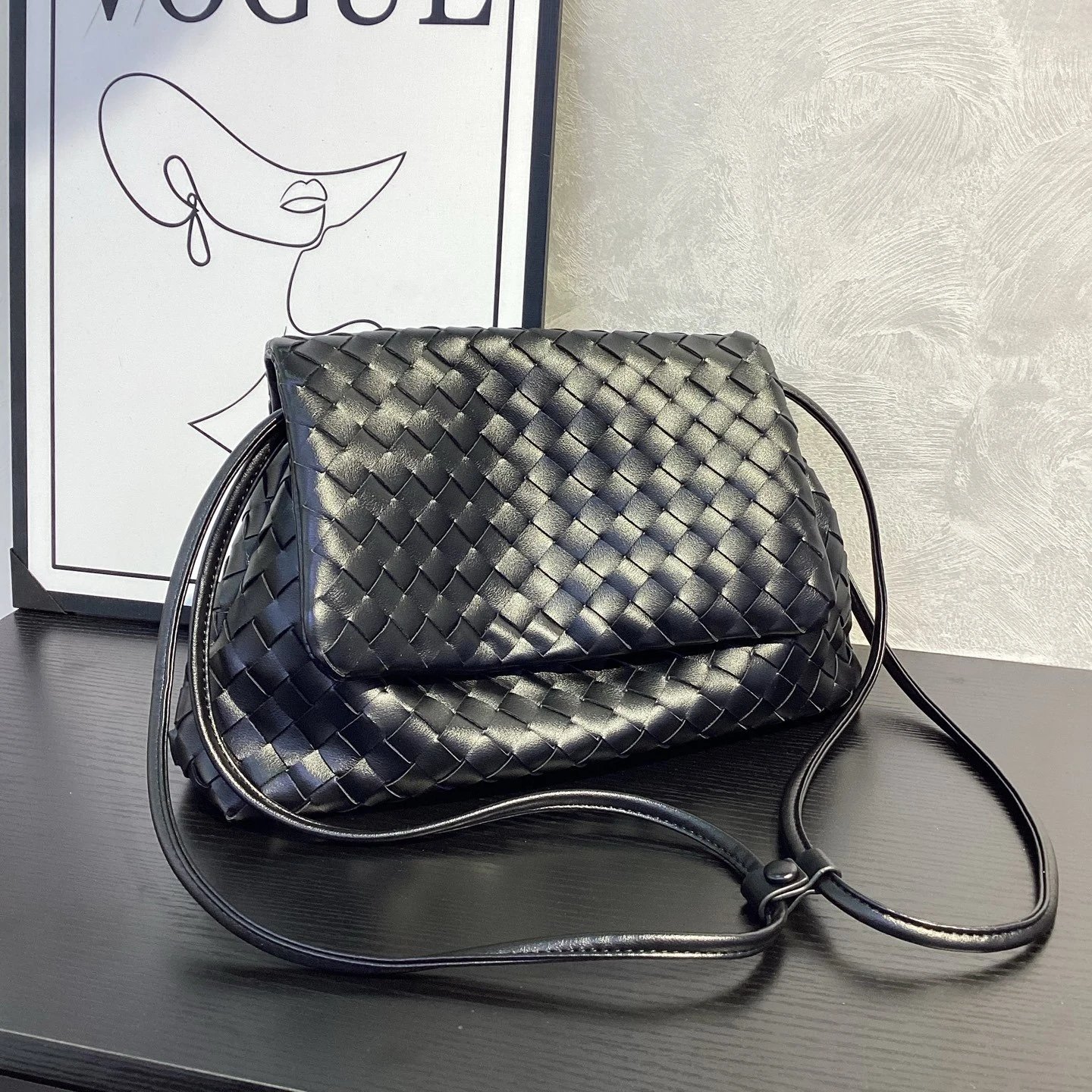
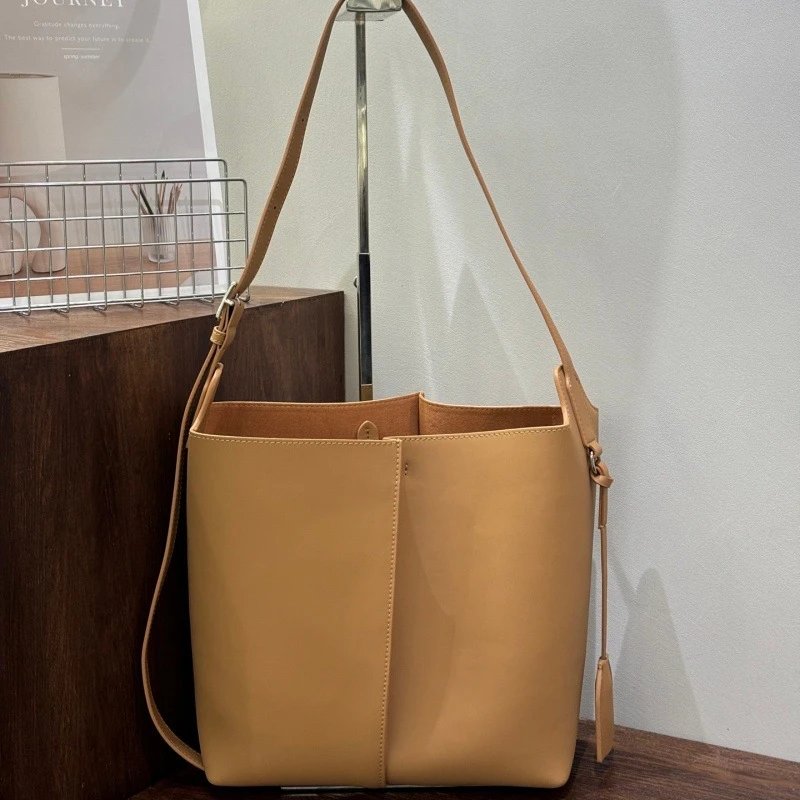
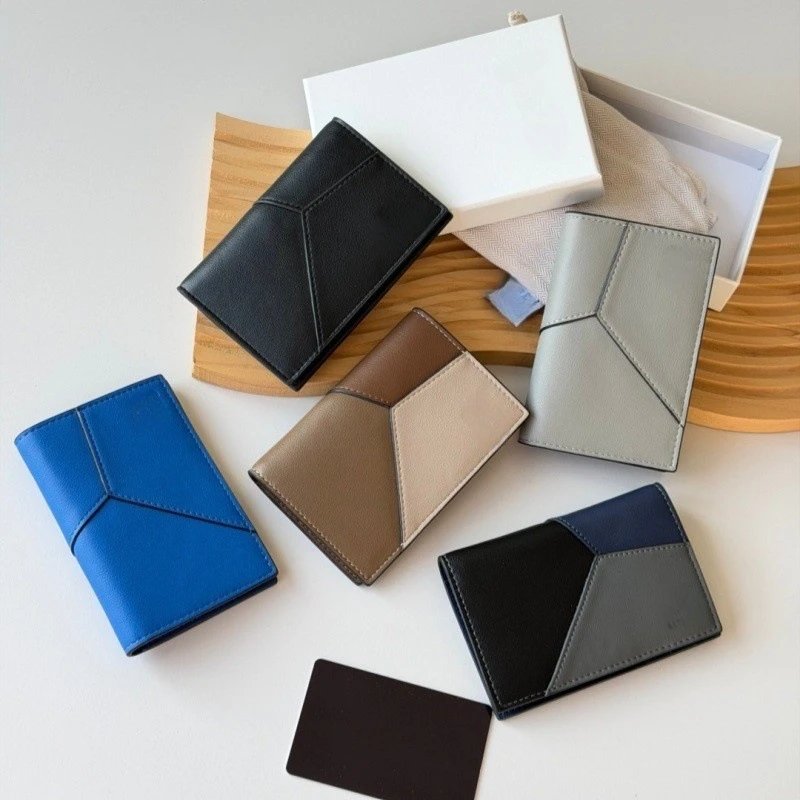
- Leather / material: grain should look consistent and match the listing — even, natural texture on leather, or a clean weave on canvas and nylon. Painted, sealed edges beat raw glued ones.
- Stitching: straight, even, tight rows with no loose threads, especially at handles and stress points where a bag carries weight.
- Lining: a good batch has a clean, correctly patterned interior with tidy seams; a rough one shows loose threads and thin lining.
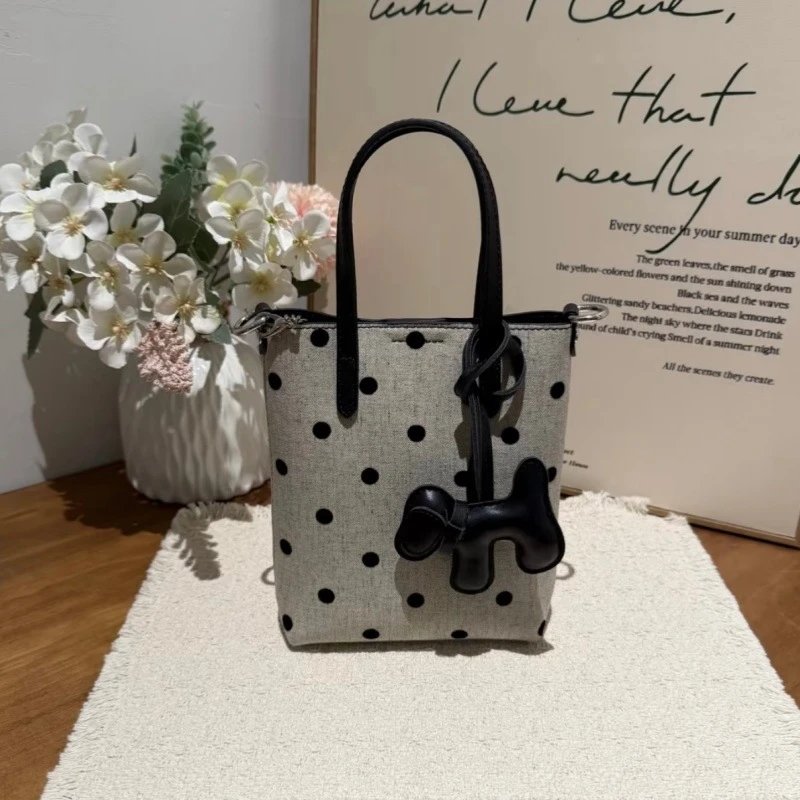
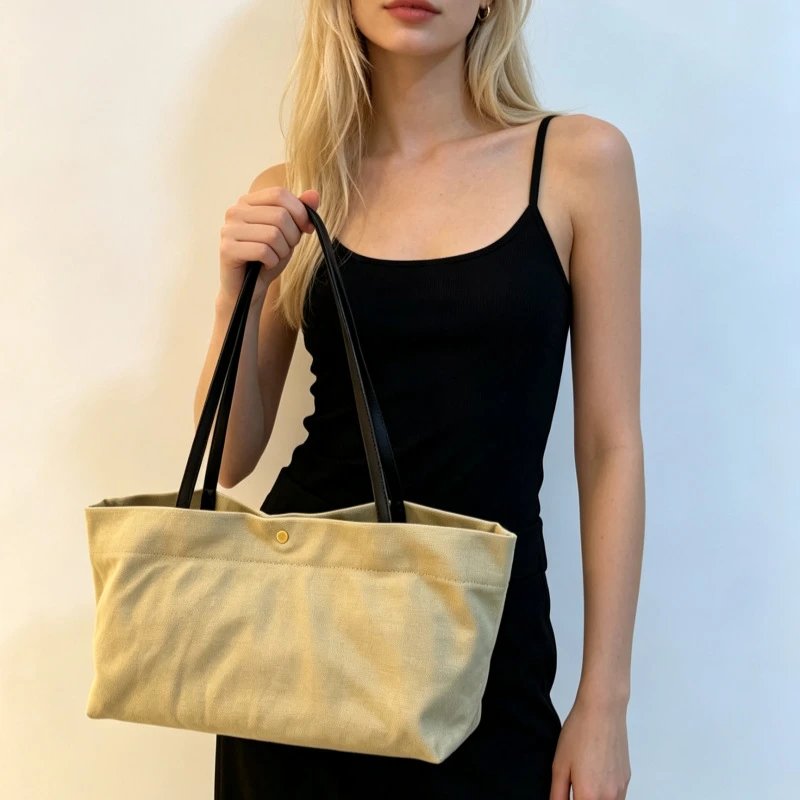
- Dimensions: measure against the listing in centimetres. Photos routinely make bags look bigger or smaller than reality — know whether it fits what you carry before ordering.
Be realistic about "authenticity" cues. Date codes, serial stamps, dust bags and authenticity cards on replica bags are approximations, not proof of anything, and their accuracy varies by batch. Judge them as part of overall finish rather than treating them as guarantees, and don't pay a premium purely for a card or dust bag unless the whole bag's quality justifies it.
Ask your Litbuy QC note to photograph the hardware close-up, the interior lining, the base and corners (where wear shows), and any stamped logos square-on. A good Weidian bag seller supplies these angles by default, states which batch they carry, and answers material questions plainly. Stock-only images or a dodged version question are your cue to compare other listings of the same find on the spreadsheet — the price gap on bags very often reflects a real hardware-and-leather difference.
Colours shift under store lighting, so judge shade generously and defects strictly. In-stock batches, hardware finishes and pricing change between restocks, so trust the live Litbuy listing and the seller's current reply over an older spreadsheet entry.